Saturday, December 20, 2025

The "Elopement" Safety Net: Why a Special Needs Stroller Is More Than Just Mobility

For most parents, a trip to the grocery store or a walk in the park is a mundane activity. But for parents of children with autism who are prone to "elopement" (the clinical term for wandering or bolting), these outings can feel like a high-stakes military operation.

It is a feeling that every special needs parent knows intimately. You are in a crowded parking lot, distracted for a split second by a phone call or a fumbling for keys. In that heartbeat, your child is gone. They haven't just wandered off; they have bolted.

The panic that floods your body in that moment is primal. It isn't just about a lost child; it is about a child who may have no sense of danger, no fear of oncoming traffic and no ability to respond to their name being called.

This behavior, known as elopement, is one of the most stressful aspects of raising a neurodivergent child. According to data from the National Autism Association, nearly half of children with autism attempt to wander from a safe environment and tragically, accidental drowning accounts for a staggering 91% of lethal outcomes in these scenarios.

For these families, a stroller isn't a convenience item. It isn't about "lazy parenting" or a child who refuses to walk. It is a critical safety device. It is a containment strategy. It is the only thing standing between a safe outing and a potential tragedy. Let's delve deeper into why a special needs stroller for autism might be something worth investing in.

The Limitation of Standard Equipment

The challenge usually arises when the child outgrows standard commercial equipment. Most department store strollers are designed for toddlers, with weight limits capping out at around 40 or 50 pounds.

If you have a 7-year-old with autism who is a flight risk, you are stuck in a dangerous limbo. They are physically capable of walking, but they lack the impulse control to walk safely. Putting a 60-pound child in a stroller designed for a 30-pound toddler makes the equipment unstable and uncomfortable, and it often leads to breakage at the worst possible moments.

This is where the transition to adaptive equipment becomes necessary. A dedicated special needs stroller for autism is engineered differently. These are not just larger versions of baby strollers; they are robust mobility aids designed with a lower center of gravity to prevent tipping, even if a child rocks or thrashes during a meltdown.

Crucially, they feature five-point harnesses that are much more difficult for a child to manipulate than standard buckles. This "escape-proof" design gives parents the one thing they crave most in public spaces: peace of mind. Knowing that your child is physically secure allows you to actually focus on the task at hand, whether that’s checking out at the grocery store or watching a sibling’s soccer game without the constant, low-level scanning for escape routes.

The "Quick Trip" Dilemma

However, one of the barriers to adopting this equipment is bulk. Many medical-grade wheelchairs or heavy-duty strollers are heavy. They require a van to transport, or they take up the entire trunk of a sedan.

This leads to a situation where parents stop going out. The effort required to dismantle a heavy chair just to run into the post office feels insurmountable, so the family becomes isolated. They stay home because it’s easier than risking a bolt in a parking lot without the chair.

This is why having a secondary, lighter option is a game-changer for active families. A special needs umbrella stroller fills this gap perfectly. Unlike the heavy-duty "all-day" chairs, these are designed to fold up like a traditional umbrella stroller, making them easy to toss into the back of a small car or take on public transport.

A Sensory Safe Haven

Beyond the physical safety of preventing elopement, these strollers serve a secondary, equally important purpose: sensory regulation.

The world is a loud, bright and chaotic place. For a child with sensory processing disorder (which often co-occurs with autism), a busy airport or a crowded theme park is an assault on the senses. When a child reaches their threshold, the "fight or flight" response kicks in. If they can't flee (because they are buckled in), they might fight (meltdown).

A specialized stroller acts as a portable "safe zone." With extended canopies that block out visual stimuli and the deep pressure support of a proper seat, the stroller becomes a cocoon. It is a familiar, consistent space that the child can retreat to when the environment becomes too much.

Many parents find that simply having the stroller available reduces anxiety. The child knows they have a place to sit and "hide" if they need to, which can prevent the escalation that leads to bolting in the first place.

Overcoming the Stigma

We also need to talk about the stares.

It is an unfortunate reality that seeing a 10-year-old in a stroller draws attention. Strangers often feel entitled to comment, offering helpful advice like, "He’s too big for that," or "He should be walking."

This social pressure can deter parents from using the safety equipment they need. They fear the judgment more than the risk. But shifting the mindset is vital. We use tools to assist with all kinds of disabilities. This includes glasses for vision, hearing aids for hearing and so on. A stroller for a child with no safety awareness is no different; it is a tool for executive function.

Adaptive strollers are designed with dignity in mind. They look less like "baby" gear and more like medical mobility aids, often with sleeker designs and upright seating positions that allow the child to engage with the world at eye level rather than being slumped back. Using appropriate equipment signals to the world that this is a mobility need, not a behavioral choice.

Layering Your Safety Strategies

Of course, a stroller is just one layer of a comprehensive safety plan. For children who are high-risk runners, "redundancy" is the watchword. You never rely on a single lock, a single latch, or a single strap.

Many families combine the use of a special needs stroller for autism with technology. As we have discussed in our guide on how GPS trackers can help people with disabilities, modern wearable tech provides a digital safety net that works in tandem with physical containment. If a child manages to slip a harness during a transition out of the stroller, a GPS device hidden in a shoe or a belt loop provides immediate location data.

Combining these tools (the physical security of the stroller for high-traffic areas and the digital backup of a tracker) creates a "circle of safety" that allows families to breathe easier.

Empowering the Family Unit

Ultimately, the goal of any adaptive equipment is independence. Not just for the child, but for the whole family.

When you are terrified that your child will run into traffic, your world shrinks. You stop going to parks. You stop taking vacations. You stop visiting family. The isolation can be devastating for the mental health of parents and siblings.

By investing in the right equipment, whether through insurance coverage, Medicaid waivers, or private funding, you are buying back your freedom. You are reclaiming the ability to take a family walk, to browse a farmers market, or to stand in line at Disney World.

A stroller doesn't limit a child’s potential; it expands their world. It ensures that "elopement risk" doesn't become a life sentence of house arrest, allowing the child to experience the rich, chaotic, wonderful world safely.

The post The "Elopement" Safety Net: Why a Special Needs Stroller Is More Than Just Mobility appeared first on Resources on Disability Assistance: Your Rights and Benefits.


source https://www.disabilityhelp.org/the-elopement-safety-net-why-a-special-needs-stroller-is-more-than-just-mobility/

Tuesday, December 16, 2025

What Is the Meaning of Accessible Housing?

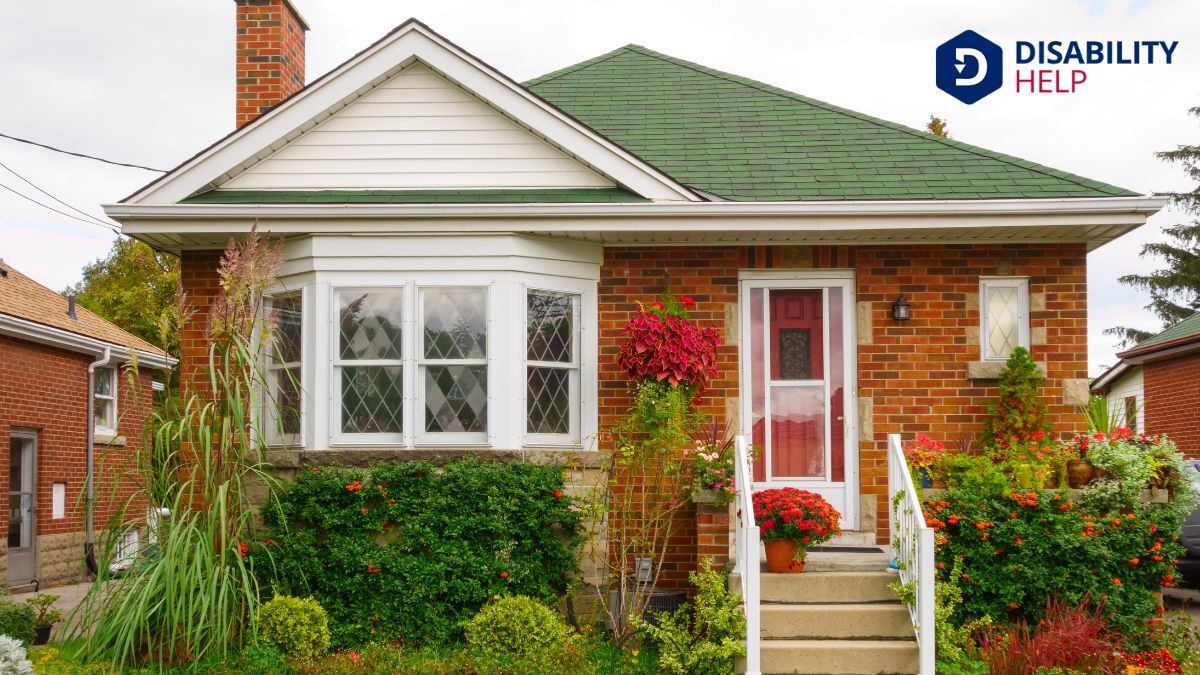
You're likely familiar with the term "accessible housing," but what does it really mean for you and your community? Imagine living in a space where everyone, regardless of physical ability, can move freely and comfortably. It's not just about ramps or wide doorways—it's about creating a welcoming environment that respects independence and dignity. Curious about how this impacts daily life and community dynamics? There's much more to uncover.

Key Takeaways

  • Accessible housing ensures spaces are usable by individuals with varying abilities, fostering independence and dignity.
  • It features design elements like wide doorways, lever handles, and non-slip flooring to remove barriers.
  • Accessible housing integrates technology, such as smart home systems, to enhance ease of use and independence.
  • It addresses the needs of people with disabilities, the elderly, and families with young children.
  • Accessible housing enriches communities by promoting inclusivity, social interaction, and reducing isolation.

Understanding the Principles of Accessible Housing

Understanding the Principles of Accessible Housing

When you immerse yourself in the principles of accessible housing, you'll find that it's all about creating spaces that everyone can use independently and with ease.

Accessibility isn't just a buzzword; it's a commitment to inclusivity. You need to focus on ensuring that homes accommodate people with various abilities and needs.

Think about doorways wide enough for a wheelchair, lever-style door handles, and smooth, level surfaces. It's about removing barriers and promoting freedom of movement for everyone.

By understanding these principles, you're not just building structures; you're crafting environments that respect dignity and foster independence.

Key Features of Accessible Living Spaces

When considering accessible living spaces, you'll want to focus on essential accessibility features like wide doorways and grab bars that enhance mobility and safety.

Inclusive design guarantees that everyone, regardless of ability, can navigate and enjoy the space comfortably.

Essential Accessibility Features

To create truly accessible living spaces, it's crucial to incorporate essential accessibility features that cater to a wide range of needs.

Start with wide doorways and hallways to accommodate wheelchairs and walkers. Install lever-style door handles and faucets for easier use. Lower light switches and thermostats so everyone can reach them comfortably.

Consider grab bars in bathrooms and non-slip flooring to prevent falls. Ramps and stairlifts can make multi-level homes navigable for those with mobility challenges.

Adequate lighting enhances visibility and reduces accidents. Guarantee kitchens have accessible countertops and appliances, making meal prep easier for everyone.

Inclusive Design Considerations

While designing accessible living spaces, think about inclusive design principles that guarantee everyone feels welcome and comfortable.

It's vital to create environments that address diverse needs and abilities. Here’s how you can achieve this:

  1. Wide Doorways and Hallways: Make sure spaces are easy to navigate for wheelchair users, allowing smooth and unobstructed movement.
  2. Adjustable Features: Incorporate adjustable counters, sinks, and shelves, so individuals of varying heights and abilities can use them with ease.
  3. Non-Slip Flooring: Use materials that reduce the risk of slips and falls, offering safety to everyone, especially those with mobility challenges.
  4. Clear Signage: Provide easy-to-read and well-placed signs, helping individuals with visual impairments or cognitive disabilities navigate the space confidently.

The Role of Technology in Accessible Housing

You can transform accessible housing through smart home integration, which allows residents to control their environment with ease.

Assistive devices have advanced, offering enhanced support for daily tasks.

Virtual reality applications also play a vital role in designing spaces that meet individual needs before construction begins.

Smart Home Integration

Harnessing the power of smart home technology greatly enhances the accessibility of housing for individuals with disabilities. By integrating smart devices, you can create a more inclusive environment tailored to specific needs.

Here’s how smart home integration can make a difference:

  1. Voice-Controlled Systems: Use voice commands to control lighting, temperature, and security, making it easier to manage your home without physical effort.
  2. Automated Lighting: Sensors and smart bulbs can automatically adjust lighting based on your presence, improving safety and comfort.
  3. Smart Appliances: Accessible smart ovens, refrigerators, and other appliances can be operated remotely, offering independence in daily tasks.
  4. Remote Monitoring: Smart cameras and sensors provide peace of mind by allowing caregivers to monitor your well-being from a distance.

Embrace these technologies to enhance your living experience.

Assistive Devices Advancement

Advancements in assistive devices are revolutionizing accessible housing by leveraging cutting-edge technology to improve the daily lives of individuals with disabilities.

You’ll find that modern devices such as smart wheelchairs, voice-activated assistants, and automated home systems are making living spaces more accommodating. These technologies offer greater independence and ease of use, allowing individuals to control their environment with simple commands or gestures.

Imagine adjusting the thermostat, turning on lights, or opening doors without needing physical effort. This evolution not only enhances independence but also guarantees safety.

As you explore accessible housing options, consider these advancements' impact on quality of life. By embracing innovative assistive devices, you empower yourself or your loved ones with improved accessibility and comfort in your home environment.

Virtual Reality Applications

Building on the impressive strides in assistive devices, virtual reality (VR) applications are further transforming accessible housing by offering immersive and interactive solutions.

You can explore potential living spaces and make informed decisions without physically visiting each location. VR lets you experience a home’s layout and design, guaranteeing it meets your accessibility needs before moving in.

Here's how VR enhances accessible housing:

  1. Virtual Tours: Walk through homes and evaluate their accessibility features, like ramps and wide doorways, from anywhere.
  2. Customization: Visualize modifications in real-time, tailoring spaces to your specific needs.
  3. Training Simulations: Practice daily tasks in a safe, virtual environment to build confidence and independence.
  4. Design Feedback: Collaborate with architects using VR to suggest changes that enhance accessibility.

These innovations guarantee more informed and inclusive housing choices.

Benefits of Accessible Housing for Diverse Populations

Although often overlooked, accessible housing offers significant benefits for diverse populations. You’ll find that it supports not just individuals with disabilities, but also the elderly, families with young children, and people recovering from injuries.

By providing spaces that accommodate varied needs, accessible housing promotes independence and dignity. It guarantees that everyone, regardless of physical ability, can move freely and safely within their homes.

You might notice that accessible housing also fosters inclusivity within communities. Removing barriers encourages social interaction and reduces feelings of isolation.

Additionally, it adds value to neighborhoods by making them more welcoming and diverse. As you explore housing options, consider the long-term benefits of accessibility, which go beyond mere convenience, enriching lives in profound ways.

Challenges and Solutions in Implementing Accessible Housing

While the benefits of accessible housing for diverse populations are clear, creating such environments comes with its own set of challenges. You might face limited resources and funding, making it tough to prioritize accessibility.

Additionally, there are regulatory hurdles that can slow down or complicate the construction process. However, understanding these obstacles is the first step toward overcoming them.

Here are some common challenges and potential solutions:

  1. Funding Limitations: Seek grants or partnerships with organizations focused on accessibility.
  2. Regulatory Barriers: Stay informed about current laws and work with experts to navigate bureaucratic processes.
  3. Design Constraints: Collaborate with architects experienced in accessible design to create innovative solutions.
  4. Community Resistance: Educate the community about the benefits of accessible housing to gain support.

The Future of Accessible Housing in Urban and Rural Areas

The Future of Accessible Housing in Urban and Rural Areas

As we look to the future, accessible housing in both urban and rural areas holds immense potential to transform communities. You’ll find that innovations in design and technology can bridge existing gaps.

In cities, integrating smart home features and universal design principles can make living spaces more adaptable for everyone. For rural areas, using local materials and inclusive infrastructure guarantees that accessibility doesn’t get overlooked.

You might wonder how policies play a role. They’re essential for incentivizing builders and guaranteeing compliance with accessibility standards.

Collaborating with local governments can lead to more effective, tailored solutions. By embracing these strategies, you’ll help create environments where everyone, regardless of ability, has the freedom to live comfortably and independently, enriching the entire community.

Conclusion

In accessible housing, you'll find spaces that cater to everyone's needs, fostering independence and dignity. With features like wide doorways and smart technology, these homes guarantee comfort and ease for individuals with diverse abilities. While challenges exist in implementation, solutions are emerging that make a significant difference. Embracing accessible housing means enhancing quality of life and building inclusive communities. As you look to the future, these principles will shape both urban and rural living environments.

The post What Is the Meaning of Accessible Housing? appeared first on Resources on Disability Assistance: Your Rights and Benefits.


source https://www.disabilityhelp.org/what-is-the-meaning-of-accessible-housing/

Thursday, December 11, 2025

Severe Back Pain and Disability Benefits: What Qualifies, What Helps, and How to Document Your Limits

Severe back pain can quietly take over your life. One week you are pushing through, the next you are planning your day around how long you can sit, stand, or walk before your legs burn or go numb. When spinal pain starts blocking consistent work, disability benefits become a practical question, not a dramatic one. Back and spine conditions are among the most common reasons people apply for SSDI, SSI, or other disability programs, and approvals are based on function, not just a diagnosis label.

This guide explains which back conditions commonly qualify, how disability programs evaluate spinal pain, and how conservative care fits into both recovery and documentation. For many people, that conservative path includes chiropractic treatment, and a chiropractor Dunwoody GA, can be part of that process, helping manage mechanical back pain, track progress, and build a clear medical record over time.

Why are back problems common in disability cases?

Back conditions often appear in disability claims because they directly affect work endurance. Even a “routine” mechanical injury can limit sitting, lifting, bending, or safe movement for hours at a time. Disability programs do not approve claims simply because someone has a spinal diagnosis. They approve claims when symptoms create long-term restrictions that make regular work unrealistic.

Musculoskeletal disability rules also factor in treatment response, therapy frequency, and functional impact over time, rather than solely imaging findings. So consistent conservative care, even when it only helps a little, matters for both recovery and documentation.

Back conditions that often qualify

No spinal diagnosis automatically guarantees approval. Reviewers look for severe, lasting functional loss. Still, certain conditions are frequently approved when they are backed by objective findings and clearly documented limitations:

  • Degenerative disc disease with persistent pain and reduced motion
  • Herniated discs with confirmed nerve impingement (radiculopathy)
  • Spinal stenosis or foraminal stenosis
  • Spondylolisthesis or segmental instability
  • Severe spinal arthritis
  • Post-traumatic injuries such as chronic whiplash or crash-related disc damage

Imaging supports a claim, but the deciding factor is what you can no longer do reliably on a day-to-day work schedule.

How disability programs evaluate spinal pain

Disability decisions focus on Residual Functional Capacity (RFC), meaning what you can still do consistently in a job. If your condition does not meet a strict listing, RFC is used to decide whether any work remains realistic for you.

Reviewers typically assess:

  • Sitting and standing tolerance
  • Walking distance and balance stability
  • Lifting and carrying limits
  • Bending, twisting, reaching, and overhead work
  • Nerve symptoms affecting grip or gait
  • Flare frequency and recovery time
  • Treatment side effects affecting focus or safety

Pain is considered, but only when it is tied to a measurable function.

Table 1. What disability reviewers want to see

Evidence type What it proves Examples that help most
Imaging Structural cause Disc herniation with nerve compression, stenosis narrowing
Physical exams Functional loss reduced range of motion, weakness, positive nerve tension signs
Treatment history Consistent effort months of conservative care, rehab attempts, follow-ups
Function reports Daily impact needing breaks after short sitting, limited driving, trouble dressing
Work history Job mismatch inability to meet the physical demands of past work

Where chiropractic care fits in recovery and documentation

Clinical guidelines for most mechanical low back pain recommend starting with non-drug, conservative care. Spinal manipulation, massage, and structured exercise are widely recognized first-line options for acute and subacute cases, with movement-based care emphasized for chronic pain.

Chiropractic care focuses on mechanical drivers such as joint irritation, restricted movement, soft-tissue guarding, posture strain, and load tolerance. In disability-related cases, it can serve two roles:

  1. Recovery support
    • reducing acute pain and guarding
    • restoring motion enough to tolerate rehab
    • managing mechanical nerve irritation when appropriate
  2. Longitudinal evidence
    • repeated range-of-motion measurements
    • orthopedic and neurologic test trends
    • functional notes tied to real tasks

Because disability reviewers care about function over time, consistent chiropractic records can be helpful when they show persistent limitations despite appropriate care.

Table 2. Chiropractic documentation that helps with disability claims

Documentation element Why reviewers care What it shows
Serial ROM testing Objective tracking lasting restriction, not just a one-day flare
Nerve findings Links pain to deficits radiculopathy or stenosis effects
Functional notes Connects the symptom to work sitting, lifting, walking tolerances
Care frequency and response Shows real effort The condition is not temporary
Rehab attempts Proves compliance limits persist despite standard care

Other conservative services that matter in a claim

Many people with disabling back pain try several conservative services before disability is considered. These attempts matter because they show you followed standard care.

  • Spinal decompression or traction-based care is often used for disc-related leg pain or sciatica patterns. Research shows it can help some radicular cases short-term, especially when paired with rehab, but results vary, and it is not a universal solution.
  • Massage therapy can reduce muscle guarding and pain sensitivity, making movement and strengthening easier to tolerate.
  • Rehab exercise and graded activity are essential for long-term spine tolerance unless clearly unsafe.

Table 3. Conservative care timelines reviewers often expect

Stage of care What it commonly includes Why it matters for disability
Early weeks to months Manual care, activity modification, basic rehab shows you pursued standard first-line care
Mid phase Structured strengthening, decompression for nerve pain builds evidence of persistent impairment
Later phase Ongoing limits despite multimodal care supports long-term work restriction

How to document limitations the way disability programs expect

A strong claim reads like a clear timeline of decline, backed by proof of effort. Focus on daily capacity, not just pain numbers.

  • Track tolerances weekly: how long you sit, stand, walk, drive, or lift before stopping.
  • Describe the worst reliable level, not rare good days.
  • Ask providers to state limits directly in notes.
  • Record flare patterns and recovery time.
  • Keep treatment consistent when safe. Gaps can appear to be improvements unless explained.

FAQ

1. What matters more for disability approval: diagnosis or limitations?
Limitations. Programs focus on whether you can work reliably, not just what imaging shows.

2. Can chiropractic records count as medical evidence?
Yes, especially when they include objective tests and functional limits tracked over time.

3. Do I need imaging to qualify for disability with back pain?
Imaging helps, but well-documented functional loss can still support eligibility.

4. How long must a back condition last to qualify?
Most programs require limitations expected to last at least 12 months.

5. What services might a chiropractic clinic offer in a back-pain history?
Some clinics, such as Lignum Vitae Wellness, offer a range of services, including Pediatric Chiropractic Care, Prenatal Chiropractic Care, Spinal Decompression, Sports Chiropractic Care, Car Accident Chiropractic Care, and Massage Therapy. For disability purposes, the most relevant pieces are the documented functional limitations and their persistence despite appropriate care.

Conclusion

Back pain qualifies for disability benefits when it creates a lasting, measurable loss of work function. The strongest claims demonstrate long-term impairment, show consistent effort in treatment, and document real limitations in daily life. Conservative care, including chiropractic treatment, can help manage symptoms and build a detailed record of function over time. If your back pain makes reliable work impossible, combining appropriate care with clear documentation gives you the strongest foundation for a fair disability decision.

The post Severe Back Pain and Disability Benefits: What Qualifies, What Helps, and How to Document Your Limits appeared first on Resources on Disability Assistance: Your Rights and Benefits.


source https://www.disabilityhelp.org/severe-back-pain-and-disability-benefits-what-qualifies-what-helps-and-how-to-document-your-limits/

What To Ask Your Health Insurance Agent: Disability-Specific Coverage Questions

Navigating health insurance can be overwhelming, especially when you’re managing a disability. Between deciphering policy jargon and underst...