Thursday, October 31, 2024

What Are the Benefits of Being a Veteran?

As veterans who've served our nation, we're entitled to a range of benefits that support our shift to civilian life. We can access all-encompassing healthcare through the VA, pursue education with tuition assistance like the Post-9/11 GI Bill, and achieve homeownership using VA loans. Employment programs help us translate military skills to the civilian job market, and retirement benefits guarantee financial stability. We also receive valuable tax exemptions and deductions. Community networks provide social support, while family programs offer essential resources. These benefits underscore a commitment to our well-being, and there's much more to explore in our veteran journey.

Key Takeaways

  • Veterans access comprehensive healthcare services, including specialized and mental health care, through the VA.
  • Education benefits like the Post-9/11 GI Bill cover tuition and provide housing allowances for veterans.
  • VA home loans offer no down payment, competitive rates, and no private mortgage insurance for veterans.
  • Employment support programs assist veterans in transitioning to civilian careers with training and networking opportunities.
  • Military pensions and the Thrift Savings Plan provide financial stability for veterans' retirement.

Healthcare Access

Accessing healthcare is one of the significant benefits that veterans enjoy. As veterans, we've access to a variety of healthcare services through the Department of Veterans Affairs (VA). This access includes regular check-ups, specialized treatments, mental health services, and preventive care. These services are essential for maintaining our well-being after serving in the military. The VA healthcare system aims to make sure we receive the necessary medical attention tailored to our unique needs.

We understand how maneuvering healthcare can be overwhelming, but the VA offers assistance in managing appointments and accessing resources. It's comforting to know that we've support in finding the right care and treatment options.

In addition, the VA provides resources for those of us dealing with service-connected disabilities, which can be a lifeline for many veterans.

Education Opportunities
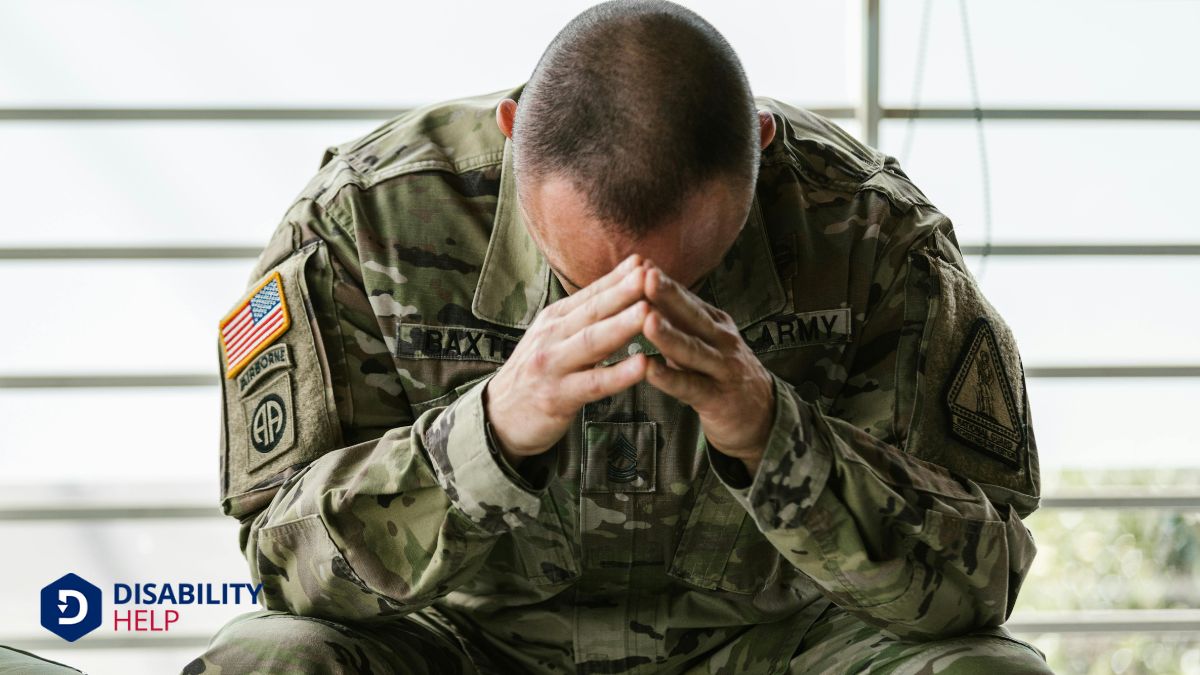
Education Opportunities for Veterans

As veterans, we're entitled to a range of education opportunities that can greatly impact our future. Through tuition assistance programs, we can pursue higher education without the overwhelming burden of student loans.

Additionally, vocational training options allow us to gain practical skills tailored to today's job market, enhancing our career prospects.

Tuition Assistance Programs

Often, one of the most significant benefits veterans can access is the variety of tuition assistance programs available to them. These programs open doors to education that might otherwise seem financially out of reach. We can take advantage of the Post-9/11 GI Bill, which covers tuition and fees for public colleges and universities and even provides a housing allowance. This benefit alone can greatly ease the shift from military life to the academic world.

Additionally, the Montgomery GI Bill offers another layer of support, focusing on educational costs for those who've served. For those interested in furthering their education, these programs can be invaluable. Plus, many states provide their own tuition assistance for veterans, expanding our options even further.

It's also worth mentioning the Yellow Ribbon Program, which helps cover additional costs at private institutions or out-of-state schools. By participating in these programs, we can pursue higher education without the heavy burden of student loans.

Whether we aim to enhance our skills or change careers entirely, these educational benefits empower us to shape our futures positively. Let's embrace these opportunities and invest in our growth and success.

Vocational Training Options

When we move from military service, vocational training options offer a practical path to new careers. These programs are designed specifically for us, veterans, to smoothly enter civilian life by equipping us with new skills that align with the current job market. We can explore various fields and find something that resonates with our interests and career goals.

Here are three key benefits of vocational training options for veterans:

  1. Diverse Programs: We can choose from a wide range of programs, from technical fields like IT and engineering to healthcare and skilled trades. This variety ensures we find a program that matches our skills and aspirations.
  2. Hands-On Experience: Many vocational programs emphasize practical, hands-on training. This method helps us learn by doing, which can be particularly beneficial when we're adjusting from a hands-on military environment to civilian roles.
  3. Job Placement Services: Many vocational training programs offer job placement assistance, connecting us with employers who value our unique skills and experiences. This support can significantly ease our entry into the workforce.

Home Loan Advantages

Traversing the housing market can be challenging, but veterans have a significant advantage with the VA home loan program. This benefit, exclusive to us, makes homeownership more accessible and affordable. One of the main perks is that we often don't need a down payment, which removes a major hurdle many face when buying a home. This feature allows us to enter the market faster and with less financial strain.

Additionally, VA loans typically offer competitive interest rates. This means we can save money over the life of our mortgage compared to conventional loans. The program also eliminates the requirement for private mortgage insurance (PMI), reducing our monthly payments even further.

Another advantage is the flexibility in credit requirements. While lenders still assess creditworthiness, the VA home loan guidelines are generally more forgiving, allowing more veterans to qualify. Plus, if we ever face financial difficulties, the VA offers assistance to help avoid foreclosure.

Employment Support

Employment Support for Veterans

Many veterans find switching to civilian life smoother, thanks to robust employment support programs. These programs are designed to help us shift from military service to civilian careers, making the process less intimidating and more rewarding. We've access to resources that cater specifically to our skills and experiences, ensuring we find meaningful employment.

Here are three key aspects of employment support for veterans:

  1. Resume Assistance: Translating military experience into civilian terms can be challenging. Expert advisors help us craft resumes that highlight our skills in a way that resonates with potential employers.
  2. Job Training and Education: We can access specialized training programs and educational opportunities to bridge any skill gaps. This support allows us to adapt to new career paths or advance in our current fields.
  3. Networking and Job Fairs: We can attend veteran-focused job fairs and networking events, connecting us directly with employers who value our experience and dedication. These events provide an excellent platform to explore different industries and opportunities.

Retirement Benefits

In addition to the employment support we receive, understanding our retirement benefits is equally important. As veterans, we've access to a range of retirement benefits designed to support us after our service ends. One important aspect is the military pension, which depends on our years of service and rank at retirement. This pension provides a steady income, helping us maintain financial stability in our later years.

Moreover, the Thrift Savings Plan (TSP) is a valuable tool for us to bolster our retirement savings. Similar to a 401(k), the TSP allows us to contribute a portion of our earnings during our service, with options for both traditional and Roth accounts. It's a great way to make sure we've additional funds set aside for retirement.

Healthcare is another significant benefit. As retired veterans, we're eligible for TRICARE, a program offering affordable health coverage. This benefit guarantees we can access necessary medical care without overwhelming costs.

Tax Breaks

As veterans, we can take advantage of several tax breaks that ease our financial burdens.

Property tax exemptions are available in many states, reducing the amount we owe on our homes.

Additionally, we might qualify for income tax deductions, which can lower our taxable income and increase our savings.

Property Tax Exemptions

For veterans, property tax exemptions can be a noteworthy financial relief, allowing us to allocate resources to other essential areas of life. These exemptions are a way to honor our service by easing the financial burden of homeownership. Understanding how these benefits work is pivotal for maximizing our financial well-being.

Here's how property tax exemptions can make a difference for us:

  1. Reduced Tax Liability: Depending on the state and local laws, veterans may qualify for a reduction in property taxes. This means we could pay less annually, helping us save money that could go towards other expenses or savings.
  2. Eligibility for Disabled Veterans: Many states offer additional exemptions for veterans with service-related disabilities. These can notably reduce or even eliminate property taxes altogether, providing much-needed financial support for those facing challenges due to their service.
  3. Surviving Spouse Benefits: In some cases, the surviving spouses of veterans may also be eligible for property tax exemptions. This benefit guarantees that the family continues to receive support, offering stability during challenging times.

Income Tax Deductions

Income Tax Deductions for Veterans

Beyond property tax exemptions, veterans can benefit greatly from income tax deductions, which further alleviate our financial burden. These deductions come in various forms, and understanding them can help us maximize our savings.

One notable benefit is the deduction for military pensions. In many states, a portion or even all of our military retirement income may be exempt from state taxes. This can significantly reduce the amount we owe, leaving more money in our pockets.

Additionally, if we receive disability compensation from the Department of Veterans Affairs, it's important to know that these benefits are typically tax-free. This means we don't have to report them as income on our federal tax returns, ensuring we retain the full amount for our use.

There are also deductions related to education expenses. If we've used the GI Bill for further education, we might qualify for certain tax credits or deductions for any out-of-pocket costs. The Lifetime Learning Credit, for example, can help diminish our tax bill by offsetting costs.

Community and Networking

While switching from military to civilian life can be challenging, veterans find a wealth of community and networking opportunities that can ease this change. These networks provide support, camaraderie, and connections essential for our evolution. As veterans, we often discover shared experiences and mutual understanding in these communities, which can be comforting.

Here are some ways these networks benefit us:

  1. Career Opportunities: Many organizations are dedicated to helping veterans transition into civilian careers. They offer job fairs, resume workshops, and mentoring, connecting us with employers who value our skills and experiences.
  2. Social Connections: Veteran groups and clubs provide a sense of belonging and support. Whether through local meetups or online forums, we can share stories, seek advice, and build friendships with others who understand our unique backgrounds.
  3. Professional Development: Many veteran networks offer training and education opportunities. These programs help us gain new skills, advance in our careers, and adapt to civilian work environments.

Family Support Programs

Family support programs play a pivotal role in helping us navigate the unique challenges that come with military life. These programs are designed to provide essential resources and a sense of community for veterans and their families, recognizing the sacrifices we all make. From emotional support to practical assistance, these initiatives guarantee that we don't face these challenges alone.

One of the key aspects of these programs is access to mental health services. They offer counseling and therapy options tailored to our experiences, helping us manage stress, trauma, and other emotional hurdles. We can find solace in knowing there's a safe space where we can express our concerns and receive guidance.

Additionally, family support programs often include financial counseling and educational resources. They help us plan for the future, manage our finances, and even guide us through the process of securing educational benefits for ourselves and our children. Such support empowers us to make informed decisions, ensuring a stable and prosperous future.

Conclusion

As veterans, we've got a wealth of benefits designed to support our shift to civilian life. From healthcare access and educational opportunities to home loan advantages and employment support, these resources help us thrive. We also enjoy retirement benefits, tax breaks, and a strong sense of community through networking. Plus, family support programs guarantee our loved ones are cared for. Let's make the most of these benefits to secure a prosperous future for ourselves and our families.

The post What Are the Benefits of Being a Veteran? appeared first on Resources on Disability Assistance: Your Rights and Benefits.


source https://www.disabilityhelp.org/what-are-the-benefits-of-being-a-veteran/

What Are the Two Types of 100% VA Disability?

When we discuss 100% VA disability, there are two main types: Schedular 100% and Total Disability Individual Unemployability (TDIU). Schedular 100% is based on a single disability or a combination rated to the full extent, reflecting severe impairment. TDIU, on the other hand, provides benefits at the 100% rate if you're unable to maintain substantially gainful employment due to service-connected disabilities, even if your combined rating is less than 100%. Both types guarantee veterans maximize their benefits. Let's explore how each option might impact your situation and what steps you need to take next.

Key Takeaways

  • Schedular 100% represents a total disability rating based on the severity of service-connected conditions.
  • Total Disability Individual Unemployability (TDIU) provides compensation at the 100% rate without a combined 100% rating.
  • Schedular 100% requires service-connected conditions preventing substantially gainful employment.
  • TDIU eligibility mandates a single 60% disability or a 70% combined rating with one 40% disability.
  • Both offer equivalent benefits, including maximum compensation and VA healthcare access.

Understanding VA Disability Ratings

When it comes to understanding VA disability ratings, it's important we grasp how these ratings work since they determine the benefits veterans receive. The Department of Veterans Affairs (VA) uses a rating system to evaluate the extent of a veteran's service-connected disabilities. This system, expressed in percentages, ranges from 0% to 100% in 10% increments. These percentages reflect the degree to which a veteran's ability to function is impaired due to their disabilities.

Let's break it down further. A higher percentage indicates a more severe disability and, consequently, a higher compensation rate. The VA assigns these ratings based on evidence from medical examinations, service treatment records, and other relevant documents. Each service-connected condition is rated separately, and the combined rating is calculated using a specific formula, not just simple addition.

We should also remember that these ratings aren't static; they can change over time. Veterans can request re-evaluation if their condition worsens or if they believe the initial rating was incorrect. Understanding this process empowers veterans to advocate for themselves, ensuring they receive the benefits they deserve. By grasping this system, we support those who've served us.

Overview of 100% Disability

Overview of 100% Disability

Let's explore what it means to have a 100% VA disability rating.

We'll look at Total and Permanent Disability, which offers lifelong benefits, and how the Schedule of Ratings determines these evaluations.

Understanding these elements helps us grasp how veterans receive extensive support.

Total and Permanent Disability

Understanding Total and Permanent Disability is indispensable for veterans seeking a 100% VA disability rating. When we talk about "Total and Permanent Disability," we're referring to a condition where our disabilities are both completely disabling and unlikely to improve over time. This status offers significant peace of mind because it acknowledges that our impairments are severe and long-lasting, removing the need for future re-evaluations by the VA.

Let's break it down: "Total" means our disabilities fully prevent us from maintaining gainful employment. In other words, these conditions are so severe that holding a job is impractical or impossible.

"Permanent" indicates that these disabilities aren't expected to improve. The VA recognizes that our health issues are stable, and this designation provides an added layer of security.

Achieving a 100% rating with a "Total and Permanent" classification means we receive maximum compensation and benefits, including medical care and dependents' educational assistance. It's crucial to understand this status, as it impacts our future and that of our loved ones. By grasping this concept, we can better navigate the system and guarantee we're receiving the benefits we've earned through our service.

Schedule of Ratings

Building on our understanding of Total and Permanent Disability, we now turn our attention to the Schedule of Ratings, which provides an overview of achieving a 100% VA disability rating. This schedule is a detailed guide used by the VA to assess the severity of disabilities related to service and determine the appropriate compensation level. It's critical for us to grasp how this system works, as it directly impacts the benefits a veteran receives.

The Schedule of Ratings assigns percentage values to disabilities based on their impact on earning capacity. A 100% rating represents total disability, indicating that a veteran's condition fully impairs their ability to work. This can be achieved through a single disabling condition that meets the criteria for total impairment or a combination of disabilities that collectively reach the 100% mark.

We should note that achieving a 100% rating doesn't always mean the disability is permanent. Some conditions may improve, prompting the VA to re-evaluate the rating over time. Understanding how the Schedule of Ratings functions empowers us to better navigate the complexities of VA disability claims and advocate effectively for the benefits veterans deserve.

What Is Schedular 100%?

Schedular 100% disability represents a specific classification within the VA disability rating system, where a veteran's service-connected conditions are evaluated to collectively reach a total disability rating of 100%. When we talk about schedular ratings, we're referring to the VA's method of assigning percentages to different disabilities based on their severity and impact on our ability to work. Each condition is measured using the VA's standard schedule of ratings, which provides a detailed guideline for evaluating the degree of disability.

When a veteran's combined disability rating reaches 100% under this system, it means that, according to the VA's assessment, their disabilities completely impair their ability to function in daily life. This rating is significant because it qualifies the veteran for the highest level of compensation and benefits available through the VA.

Understanding how the VA calculates these ratings can be complex, as it involves a combination of individual condition ratings rather than a simple sum. It's important for us to familiarize ourselves with the specific criteria and regulations used to determine this entitlement, ensuring we can effectively navigate and understand the benefits we're entitled to.

Eligibility for Schedular 100

Eligibility for Schedular 100

To be eligible for a schedular 100% disability rating, a veteran must have service-connected conditions that collectively meet the VA's criteria for total disability. This means the veteran's disabilities are severe enough to prevent them from engaging in substantially gainful employment. The VA evaluates each condition using its Schedule for Rating Disabilities, assigning a percentage based on the severity.

When we aim for a schedular 100%, we should guarantee our medical evidence substantiates the seriousness of our conditions. It's essential that our documentation clearly demonstrates how these conditions affect our daily lives and capacity to work.

The VA combines multiple disability ratings using a specific formula, which doesn't simply add up percentages. Instead, each additional rating is calculated based on the remaining 'whole person' concept, making reaching 100% more complex than it might seem.

We should also remember that some conditions automatically qualify for a 100% rating if they meet specific criteria. For instance, certain cancers or mental health disorders might fit this category. Understanding the nuances of our conditions and the VA's rating schedule will empower us to better advocate for the benefits we've earned.

Exploring TDIU

When exploring TDIU, we need to understand its eligibility criteria, including how a veteran's disabilities impact their ability to maintain employment.

We'll walk through the application process, outlining each step to guarantee a smooth experience.

TDIU Eligibility Criteria

Understanding the eligibility criteria for Total Disability Individual Unemployability (TDIU) is essential for veterans seeking 100% VA disability benefits through this avenue. As we explore these criteria, it's important to recognize the significant impact they've on our ability to secure the benefits we deserve. By meeting the specific requirements, we can potentially receive compensation at the 100% disability rate, even if our combined disability rating is less than 100%.

To qualify for TDIU, we need to focus on the following key criteria:

  1. Disability Rating: We must have one service-connected disability rated at least 60% or multiple disabilities with a combined rating of 70% or more. In the latter case, one of these disabilities should be rated at least 40%.
  2. Inability to Maintain Substantial Gainful Employment: Our service-connected disabilities should prevent us from securing and maintaining gainful employment. This means we can't earn above the poverty threshold set by the Department of Labor.
  3. Service Connection: Only disabilities directly connected to our military service are considered. Non-service-connected disabilities don't contribute towards TDIU eligibility.

Application Process Steps

Traversing the application process for Total Disability Individual Unemployability (TDIU) can feel overwhelming, but breaking it down into clear steps can make it more manageable.

First, we need to gather all necessary documentation, including medical records and evidence supporting our claim of unemployability due to service-connected disabilities. This documentation is essential for demonstrating our inability to maintain substantially gainful employment.

Next, we should complete VA Form 21-8940, the Veteran's Application for Increased Compensation Based on Unemployability. It's important to fill out this form thoroughly and accurately, as it provides the VA with essential information about our employment history, education, and how our disability impacts our ability to work.

Submitting the application is the next step. We can do this online through the VA's eBenefits portal, by mail, or in person at a VA regional office. Once submitted, the VA will review our application, which may include requesting additional information or scheduling a Compensation & Pension (C&P) exam to evaluate our condition.

Throughout the process, staying organized and proactive is essential. We should track all communications and be prepared to respond promptly to any VA inquiries. This diligence can help guarantee our application is processed as smoothly as possible.

Benefits and Compensation

Benefits and Compensation for VA Disability

With our TDIU application submitted, let's explore the benefits and compensation associated with this designation. Total Disability based on Individual Unemployability (TDIU) can provide veterans with financial stability, acknowledging the impact of their service-connected disabilities on their ability to work. By securing TDIU, we gain access to benefits equivalent to a 100% VA disability rating, even if our combined disability rating is lower.

Here's what TDIU benefits include:

  1. Monthly Compensation: We receive a monthly payment at the 100% disability rate. This financial support helps cover living expenses, ensuring we can focus on our health and well-being without the burden of financial insecurity.
  2. Healthcare Access: We gain access to inclusive VA healthcare services. This includes necessary medical treatments, prescriptions, and specialized care tailored to our specific needs, all covered under the VA system.
  3. Educational Benefits: We may qualify for additional educational benefits, such as the Dependents' Educational Assistance Program (DEA), which supports our family members in pursuing their educational goals.

Criteria for TDIU

For veterans seeking Total Disability Individual Unemployability (TDIU), understanding the specific criteria is essential. We must first know that TDIU is intended for those unable to maintain substantially gainful employment due to service-connected disabilities. The VA has set specific benchmarks that we need to meet.

Primarily, we should have at least one service-connected disability rated at 60% or more. Alternatively, if we've multiple disabilities, one must be rated at 40% or more, with a combined rating of 70% or higher. These percentages are vital as they reflect the severity of our disabilities and their impact on employability.

However, meeting these percentages alone isn't sufficient. We must demonstrate that our disabilities directly hinder our ability to work. This involves providing evidence of our employment history, showing attempts to secure or maintain employment, and how our condition has affected these efforts.

Medical records, statements from healthcare providers, and personal testimonies can strengthen our case.

It's also important to note that age and non-service-connected disabilities aren't considered in TDIU evaluations. By fully understanding these criteria, we can better navigate the application process for TDIU and effectively present our case.

Benefits of 100% Rating

Achieving a 100% VA disability rating comes with significant benefits that can greatly enhance the quality of life for veterans. This rating acknowledges the sacrifices made and provides financial and practical support to those who served. Let's explore some of the key advantages that come with this rating.

  1. Financial Security: With a 100% rating, veterans receive the maximum monthly compensation, offering a stable income. This support can alleviate financial stress, allowing us to focus on health and well-being rather than monetary concerns.
  2. Healthcare Access: Veterans with a full disability rating gain access to extensive healthcare services through the VA. This includes everything from routine check-ups to specialized treatments, ensuring we receive the necessary care without added financial burden.
  3. Additional Benefits: Beyond financial and healthcare support, a 100% rating often opens the door to various other perks. These can include property tax exemptions, educational benefits for dependents, and potential discounts on goods and services.

Understanding these benefits helps us appreciate the full scope of support available. By leveraging these resources, we can improve our quality of life and focus on recovery and personal growth.

This rating isn't just about compensation; it's about ensuring a better future for those who've served.

Applying for 100% VA Disability

Applying for 100% VA Disability

Exploring the process to secure a 100% VA disability rating is a significant step toward accessing the extensive benefits we discussed earlier. We need to approach this process with clarity and precision to guarantee the best possible outcome.

First, we should gather all relevant medical documentation. This includes medical records, doctor's notes, and any evidence that supports our claim of disability. Accurate and detailed records strengthen our case.

Next, we'll need to fill out the VA Form 21-526EZ, the application for disability compensation. It's essential to provide detailed and honest information about our service and medical history. Once the application is complete, we can submit it online through the VA's eBenefits portal, by mail, or in person at a VA regional office.

After submission, the VA will review our claim, which may involve scheduling a Compensation and Pension (C&P) exam. Let's prepare for this exam by reviewing our medical records and being ready to discuss our condition's impact on daily life.

Throughout the process, staying organized and proactive in communication with the VA can help prevent delays. If needed, we might consider seeking assistance from a Veterans Service Officer (VSO) to guide us.

Conclusion

To wrap up, we've delved into the two kinds of 100% VA disability ratings: Schedular 100% and Total Disability based on Individual Unemployability (TDIU). Both provide crucial assistance to veterans, guaranteeing they obtain the benefits they merit. Grasping the requirements and applying procedures is crucial to optimizing these benefits. Let's make sure we're knowledgeable and proactive in securing the assistance our veterans require. Together, we can champion their well-being and respect their service.

The post What Are the Two Types of 100% VA Disability? appeared first on Resources on Disability Assistance: Your Rights and Benefits.


source https://www.disabilityhelp.org/what-are-the-two-types-of-100-va-disability/

Wednesday, October 30, 2024

How Much Is 60 Percent VA Disability?

If we're looking at a 60 percent VA disability rating, the monthly compensation is a tax-free benefit starting at around $1,319.65. This amount can increase if you have dependents, as family situation influences the payment. It's important to also consider factors like cost-of-living adjustments and the possibility of receiving additional benefits such as Special Monthly Compensation or Vocational Rehabilitation services. These help maximize the support you receive for both you and your family. There are even more detailed aspects of VA benefits you might find beneficial to explore further.

Key Takeaways

  • A 60 percent VA disability rating provides a base monthly compensation of approximately $1,319.65.
  • Benefits are tax-free and may increase with the addition of dependents.
  • Payments can be adjusted for cost-of-living changes over time.
  • Additional benefits include healthcare access, education support, and vocational training.
  • Special Monthly Compensation and housing grants may be available for specific conditions.

Understanding VA Disability Ratings

Understanding the complexities of VA disability ratings can initially seem overwhelming, but grasping them is vital for veterans seeking the benefits they deserve. These ratings, provided by the Department of Veterans Affairs, quantify the extent of a veteran's service-connected disability. They range from 0 to 100 percent, in increments of 10, and directly impact the compensation a veteran receives. We can think of these percentages as a reflection of how much a disability affects a veteran's ability to lead a normal life and work.

When we delve deeper, we find that each disability is rated individually. If a veteran has multiple disabilities, each one is assigned its own rating, which then combines to determine the overall disability percentage. This system aims to guarantee that veterans receive fair compensation based on the severity and impact of their conditions.

It's essential for us to comprehend how these ratings work so we can better navigate the process and advocate for what we or our fellow veterans deserve. By doing so, we empower ourselves and others to access the full range of benefits available, making sure that no veteran is left without the support they need.

Calculating 60 Percent Disability

Calculating 60 Percent Disability

After grasping the basics of VA disability ratings, let's explore how to calculate a 60 percent disability rating. To determine this, we must comprehend the VA's combined rating table, which uses a complex system to evaluate multiple disabilities. It's not as simple as adding up individual ratings. Instead, the VA considers the most severe condition first and then evaluates additional disabilities using a unique approach.

Picture this: we start with the highest-rated disability, let's say 40 percent. The VA views this as 40 percent of the total body being disabled.

Next, we take what's remaining, 60 percent of the body, and apply the next highest rating. If that's 20 percent, we compute 20 percent of 60, which equals 12. So, we add 40 and 12 to get 52 percent. The process continues if there are more disabilities.

Once all conditions are assessed, the final percentage is rounded to the nearest 10 percent, resulting in our combined rating. Achieving precisely 60 percent might involve a single condition rated at 60 percent or several conditions that, when combined, reach this level. Understanding this process guarantees we're ready to navigate the VA's system effectively.

Monthly Compensation Details

Let's explore what a 60 percent VA disability rating means for our monthly compensation. We'll look at the current rates, discuss factors that might affect our payments, and consider any additional benefits we might be eligible for. Understanding these details can help us plan our finances more effectively.

Monthly Compensation Rates

When we discuss monthly payment rates for a 60 percent VA disability rating, understanding how these figures can impact your financial planning is vital. Monthly payment is a tax-free benefit paid to veterans who incurred injuries or illnesses during military service. The VA determines rates based on the severity of the disability, and a 60 percent rating reflects a significant level of impairment.

Currently, a 60 percent VA disability rating provides a monthly sum of approximately $1,319.65. This amount serves as a base rate, which can be adjusted if there are dependents involved.

For instance, if a veteran has a spouse and one child, the payment increases to about $1,586.65 monthly. Adding more dependents, like additional children or parents, can further increase the total payment.

It's important to recognize how these figures might adjust over time. The VA may periodically review and revise rates due to cost-of-living changes. Staying informed about these adjustments guarantees we can plan our finances effectively. Understanding these rates empowers us to make sound decisions, ensuring that we manage our financial resources in a way that meets our needs and supports our well-being.

Factors Affecting Payments

Understanding the base rates for a 60 percent VA disability rating lays the foundation for grasping the various elements that can influence these payments. When we examine the factors affecting our monthly compensation, we need to take into account several key aspects.

First, our family situation plays a significant role. If we've dependents, such as a spouse, children, or dependent parents, these additions can increase the monthly amount we receive. The VA acknowledges that supporting a family requires more resources, and they adjust the compensation accordingly.

Another factor is whether we've other disabilities that are rated by the VA. If we possess multiple disabilities, the VA combines these ratings to determine a combined disability percentage. This combined rating might result in a higher monthly payment if it exceeds 60 percent.

Additionally, we should take into consideration cost-of-living adjustments (COLA), which can affect the overall amount. The VA periodically reviews and adjusts compensation rates to keep up with inflation, ensuring our payments reflect current economic conditions.

Additional Benefits Eligibility

Additional Benefits Eligibility for VA Disability

In addition to our base pay, we may qualify for a range of extra benefits that enhance our overall financial backing. These benefits are designed to address various needs and circumstances that might impact us as veterans with a 60 percent VA disability rating.

For example, if we've dependents, such as a spouse, children, or parents, our monthly pay might increase. This is because the VA acknowledges the added financial responsibility of supporting a family.

We should also consider the possibility of qualifying for Special Monthly Compensation (SMC). SMC is an additional tax-free benefit that could apply if we've specific disabilities or require aid and attendance from another person. This can greatly boost our financial resources each month, ensuring we get the support necessary for a decent quality of life.

Moreover, if our disability impacts our ability to work, we might be eligible for Vocational Rehabilitation and Employment (VR&E) services. This program provides training and other services to help us gain suitable employment. By understanding and exploring these options, we can maximize the benefits available to us, ensuring we receive all-encompassing support tailored to our needs.

Factors Affecting Payments

Various factors can greatly influence the payments received for a 60 percent VA disability rating. Understanding these factors can help us anticipate changes and plan accordingly. The VA determines compensation based on specific criteria, and being aware of these can aid us in managing our expectations and ensuring we receive the correct amount.

Let's take a closer look at some key factors:

  • Cost-of-Living Adjustments (COLA): These annual adjustments are designed to help our benefits keep up with inflation, ensuring our purchasing power remains stable.
  • Location: Where we live can affect our payments. Some areas may offer additional allowances due to higher living expenses.
  • Benefit Rate Changes: The VA periodically reviews and adjusts benefit rates, which can impact our monthly compensation.
  • Disability Reevaluation: If our condition worsens or improves, it's possible for the VA to reevaluate our rating, which could lead to changes in payments.
  • Concurrent Benefits: Receiving other benefits, like Social Security, may influence the amount we get from the VA.

Impact of Dependents

Having dependents can impact the payments we receive for a 60 percent VA disability rating. When we have a spouse, children, or dependent parents, the VA recognizes the added financial responsibilities we face. Our disability compensation can increase with each dependent, providing more support for our family's needs. The VA calculates these adjustments based on the number and type of dependents, guaranteeing a fair supplement to our monthly benefits.

Let's break it down: if we're married without children, our compensation might increase by a set amount. If we've children, each child adds an additional increment to our total compensation.

Importantly, the VA also considers whether our spouse is receiving Aid and Attendance, which can further modify our benefits. We should remember that our dependents' status can change over time, affecting our compensation. For example, a child turning 18 or a change in marital status can lead to adjustments.

It's essential that we keep our information updated with the VA to make sure we receive the correct compensation. By understanding these nuances, we can better manage our benefits and provide for our family. This knowledge empowers us to navigate the VA system effectively.

Additional Benefits and Programs

Beyond the financial adjustments for dependents, there's a wealth of additional benefits and programs available to us with a 60 percent VA disability rating. These resources can greatly enhance our quality of life, providing support in various areas we mightn't initially consider. Understanding these benefits helps us make informed decisions about maximizing the assistance provided.

Here's a brief overview of what we can access:

  • Healthcare Access: We receive priority at VA medical centers, ensuring timely and thorough medical care tailored to our needs.
  • Vocational Rehabilitation and Employment Program (VR&E): This program offers personalized counseling and job training, helping us shift into civilian employment or start a new career.
  • Education Benefits: We may qualify for additional education assistance, including the Post-9/11 GI Bill, offering tuition coverage and a monthly housing allowance.
  • Housing Grants: Specially Adapted Housing (SAH) grants are available to help us modify our homes to accommodate our disabilities.
  • Commissary and Exchange Privileges: Access to these facilities offers us discounted shopping opportunities for various goods and services.

Filing for VA Disability

Filing for VA Disability

When we set out to file for VA disability, it's important to approach the process with a clear understanding and solid preparation. First, we need to gather all relevant medical records, service treatment records, and any other documentation that supports our claim. This evidence will play a pivotal role in demonstrating the connection between our military service and the disability we're experiencing.

Next, we should familiarize ourselves with the VA's application process. We can file our claim online through the VA's website, by mail, or in person at a VA regional office. It's helpful to double-check that all forms are filled out accurately and completely, as any missing information can prolong the process.

We should also consider seeking assistance from a Veterans Service Organization (VSO) or a VA-accredited representative. These professionals can guide us through the application process and ensure that our claim is as strong as possible. They can also help us understand the specific criteria for the disability rating we're seeking.

Appeals Process for Ratings

When our initial disability rating isn't what we expected, we have the option to file an appeal. Let's walk through the necessary steps to file an appeal and understand how to submit evidence effectively. By ensuring we follow the guidelines, we can improve our chances for a favorable outcome.

Steps to File Appeal

Going through the appeals process for a VA disability rating can seem intimidating, but understanding the steps involved makes it more manageable. Together, we can navigate this process and make sure our appeal is as strong as possible.

The first step is reviewing the decision letter we received. This letter outlines the VA's decision regarding our claim and the reasons behind it. Our task is to identify areas where we believe the VA might've overlooked evidence or misunderstood our situation.

Once we've reviewed the decision, we should:

  • Decide on the type of appeal: Choose between a Higher-Level Review, Supplemental Claim, or Board Appeal.
  • Gather necessary documents: Collect any additional evidence or documentation that supports our case.
  • Submit a Notice of Disagreement: This formal document tells the VA we're appealing their decision.
  • Prepare for a possible hearing: If we opt for a Board Appeal, we might have a hearing to present our case.
  • Track the status: Use the VA's online tools to follow our appeal's progress.

Evidence Submission Guidelines

Submitting evidence for a VA disability rating appeal is an essential step, and we need to make certain our submission is thorough and well-organized. The evidence we provide can make a significant difference in the outcome of our appeal. Let's focus on what to include and how to present it effectively.

First, gather all relevant medical records that support our claim. This includes treatment notes, diagnostic tests, and any letters from healthcare providers that outline the severity of our condition. It's vital to ensure these documents clearly demonstrate how our disability affects our daily life and ability to work.

Next, we should consider personal statements from ourselves or those close to us. These can provide a personal perspective on how our condition impacts us day-to-day. When writing these statements, be honest and detailed, describing specific incidents and limitations.

We also need to adhere to VA guidelines when submitting our evidence. Organize documents logically and label them clearly to help VA reviewers easily identify and navigate through our submission. Always keep copies of everything we send.

Resources for Veterans

Resources for Veterans for VA Disability

Exploring the landscape of resources for veterans can sometimes feel overwhelming, but it's vital for those with a 60 percent VA disability rating to know what's available. By being informed, we can better navigate the benefits and support systems designed for us. Let's immerse ourselves in some key resources that can make a significant difference in our daily lives.

  • Veterans Service Organizations (VSOs): These groups offer guidance on VA claims, appeals, and general support. They can assist with paperwork and represent us during VA proceedings.
  • VA Health Care System: Accessible health care is essential. With a 60 percent disability rating, we may qualify for priority access to various medical services, including specialty care.
  • Educational Benefits: Programs like the GI Bill or Vocational Rehabilitation provide opportunities for education, training, and skill-building.
  • Housing Assistance: From VA-backed home loans to the Specially Adapted Housing grant, there are options to help us find or modify a home.
  • Mental Health Support: The VA offers counseling and mental health services tailored to veterans, ensuring we don't face our challenges alone.

Understanding these resources empowers us to make informed decisions and maximize the benefits we're entitled to. Let's make the most of what's available and support each other in this journey.

Conclusion

To sum up, we've delved into how a 60 percent VA disability rating impacts compensation and what factors can influence your payments. Grasping these intricacies aids us in better navigating the benefits accessible, particularly in cases involving dependents. Keep in mind, there are additional programs and resources available to provide further assistance. If you're in the process of filing or appealing, stay informed and proactive. We're here to advocate for ourselves and secure the benefits we've earned.

The post How Much Is 60 Percent VA Disability? appeared first on Resources on Disability Assistance: Your Rights and Benefits.


source https://www.disabilityhelp.org/how-much-is-60-percent-va-disability-2/

What Is the VA Disability for 70%?

When we hit a 70% VA disability rating, it signifies a profound impact on our daily lives and work capabilities. This rating provides a monthly base compensation of $1,663.06 for single veterans, which can increase if we have dependents. Beyond financial aid, it opens doors to various benefits like enhanced medical care, educational support, and housing grants. We can also access programs aimed at improving job skills and employment opportunities. It's about ensuring stability and new prospects for us and our families. To truly grasp how these benefits can transform our lives, let's explore what's on offer.

Key Takeaways

  • A 70% VA disability rating indicates a significant impact on daily life and work.
  • It provides a base monthly compensation of $1,663.06 for a single veteran.
  • The rating includes access to increased healthcare, educational benefits, and housing grants.
  • Veterans can access vocational rehabilitation and employment programs to improve their job skills.
  • Support is available through VA Health Care services and Veteran Service Organizations.

Understanding the 70% Rating

What exactly does a 70% VA disability rating entail, and why is it important?

A 70% rating represents a considerable level of disability and reflects the impact on our daily lives. This percentage signifies that our disability is severe enough to hinder our ability to work, socialize, or perform regular activities effectively. It's more than just a number; it's an acknowledgment of the challenges we face and the support we need.

This rating can lead to increased compensation, access to necessary medical care, and additional benefits that can greatly improve our quality of life.

When we receive a 70% rating, it recognizes the extent of our condition's impact. For many, it means access to a monthly compensation that helps cover living costs, medical expenses, and more. It also opens doors to vocational rehabilitation, mental health services, and educational benefits. Understanding this rating helps us advocate for ourselves and navigate the often-complex system of veteran benefits.

Determination Process

As we explore the determination process for a 70% VA disability rating, let's focus on the key aspects of evaluation criteria and the importance of medical evidence.

We'll break down how the VA assesses our condition and the specific documentation required to support our claim. Understanding these elements is essential for moving through the system effectively and ensuring we meet all necessary requirements.

Evaluation Criteria Overview

When applying for VA disability benefits, understanding the evaluation criteria is vital. We need to grasp how the VA evaluates our disabilities to determine the appropriate rating. The VA uses a schedule known as the VA Schedule for Rating Disabilities (VASRD), which outlines specific criteria for different conditions. Each condition has its own diagnostic code and description, detailing the symptoms and severity required for various percentage ratings.

The 70% disability rating signifies a significant level of impairment. To qualify for this rating, our condition must severely impact our ability to function in daily life and maintain employment. The VA considers both physical and mental health conditions, and it's important to demonstrate how these issues affect our overall quality of life.

The VA evaluates claims by reviewing medical records, service history, and any other relevant documentation. They assess the extent of the impairment and its impact on our earning capacity. It's important for us to clearly articulate the ways our condition affects our life, providing specific examples when possible.

Medical Evidence Requirements

Medical Evidence Requirements

Understanding how the VA evaluates our disabilities is just the first step; now, let's focus on the medical evidence needed for the determination process. Gathering the right medical evidence is essential for us to secure the 70% disability rating we're aiming for. We need to present detailed documentation that demonstrates the severity of our condition and how it affects our daily lives. This means acquiring medical records, test results, and any relevant treatment notes from our healthcare providers.

Let's make sure our evidence is current and thorough. It's crucial to include in-depth reports on our symptoms and how they impact our functionality. We should also consider statements from family or friends who can attest to changes they've noticed in our behavior or capabilities.

The VA may require us to undergo a Compensation and Pension (C&P) exam. This exam is conducted by a VA healthcare provider and is designed to assess the impact of our disability. We must be honest and comprehensive during this exam, providing as much detail as possible.

Monthly Compensation Details

Let's explore how monthly compensation works for a VA disability rating of 70%.

We'll examine the payment amounts you can expect and any additional benefits you might be eligible for.

Understanding these details helps us make the most of the benefits available.

Monthly Payment Amounts

For veterans with a 70% disability rating, understanding the monthly payment amounts is significant for financial planning. Let's break it down clearly so we can manage our expectations and budgets effectively.

As of late 2023, the base monthly compensation for a single veteran with no dependents at a 70% disability rating is approximately $1,663.06. This figure can be a vital part of our income, helping to cover essential living expenses and healthcare needs.

Things can change if we've dependents. For example, if we've a spouse, we can expect an additional amount added to our monthly payment. The payment increases further for each child or dependent parent we have. These adjustments recognize the additional financial responsibilities we carry and aim to offer some relief.

It's important we stay informed about any potential changes in compensation rates, as these can be adjusted annually based on cost-of-living adjustments (COLA). By keeping an eye on these updates, we can better plan for our financial future.

Understanding these details empowers us to make informed decisions and guarantees we're receiving the full benefits we're entitled to as veterans.

Additional Benefit Eligibility

Exploring the world of VA benefits, many of us may be eligible for additional compensation beyond the base rate, which can greatly enhance our financial support. When we hold a 70% disability rating, understanding the extra benefits we might qualify for is crucial. These could include allowances for dependents, special monthly compensation, or aid and attendance benefits. Grasping these options can make a significant difference in our monthly compensation.

For those of us with dependents, the VA provides additional financial support. This means if we've a spouse, children, or dependent parents, our monthly payment could increase. It's vital to confirm all our dependents are correctly reported to the VA to receive this benefit.

If we've severe disabilities or specific needs, like requiring assistance with daily activities, we might qualify for special monthly compensation or aid and attendance benefits. These are designed to address unique circumstances that require extra care or support, offering higher financial compensation to cover additional living expenses.

Additional Benefits Available

Additional Benefits Available for VA Disability Claims

When veterans receive a 70% VA disability rating, a range of additional benefits becomes available to support their well-being and financial stability.

First, we can access increased monthly compensation, which helps ease the burden of daily expenses. The VA also provides health care services, including medical treatment and prescriptions, at little or no cost, which guarantees we stay healthy without worrying about financial strain.

Education benefits are another key advantage. We might be eligible for the Post-9/11 GI Bill or the Montgomery GI Bill to help cover tuition, books, and housing costs. These educational opportunities can open doors for us, leading to new careers or skill development.

Additionally, we can benefit from the VA's Vocational Rehabilitation and Employment (VR&E) program. This program offers training, resume development, and job-seeking skills to help us transition effectively into the workforce.

Moreover, some of us may qualify for housing grants, like the Specially Adapted Housing (SAH) grant, which assists in modifying our homes to accommodate service-related disabilities. Lastly, we can explore potential tax exemptions and discounts on property taxes, which vary by state, to help reduce our overall financial obligations.

Impact on Daily Life

Getting through daily life with a 70% VA disability rating brings both challenges and opportunities. We might find certain tasks more difficult than before, but this rating also opens doors to support and benefits that can enhance our quality of life. It's essential for us to recognize these changes and adapt as needed to maintain our daily well-being.

Let's consider some aspects of how our daily lives may be affected:

  • Physical Limitations: We might experience reduced mobility or stamina, requiring us to adjust our routines or seek assistance with certain activities.
  • Emotional and Mental Health: A 70% disability rating often includes mental health conditions, which can impact our mood and interactions.
  • Work and Employment: Balancing work responsibilities with our physical and mental health needs might necessitate modifications or flexible schedules.
  • Social Interactions: We could face challenges in maintaining relationships due to changes in our energy levels or emotional states.

Acknowledging these impacts helps us to better navigate our daily lives. It's vital that we allow ourselves to adapt and seek the support we need while also embracing the opportunities that come with our disability rating. We're not alone in this journey, and understanding each aspect can empower us to live more comfortably and confidently.

Resources for Assistance

Moving through life with a 70% VA disability rating means we've access to a wealth of resources designed to support us. The Department of Veterans Affairs provides various programs aimed at easing our daily challenges. One of the key resources is the VA Health Care system, offering thorough medical services tailored to our needs.

We can also benefit from the Vocational Rehabilitation and Employment program, which helps us shift into civilian careers by offering job training, counseling, and job placement assistance.

Local VA offices are invaluable, offering personalized guidance and information about benefits. We should also tap into Veteran Service Organizations (VSOs) like the American Legion and Disabled American Veterans. These groups provide advocacy, support, and assistance in maneuvering through the complex benefits process.

Additionally, there are online resources such as the VA's eBenefits portal, where we can track our claims, find educational benefits, and access other essential information. Connecting with fellow veterans through support groups and online forums can also offer emotional support and practical advice. By utilizing these resources, we guarantee we're not alone on this journey and can access the help we need to lead fulfilling lives.

Conclusion

To sum up, if we find ourselves with a 70% VA disability rating, we're entitled to significant monthly compensation and a variety of additional benefits. This rating can greatly impact our daily lives, offering financial relief and access to essential resources. It's important to understand the determination process and explore all available assistance. Let's not hesitate to reach out for support and take full advantage of the benefits we've earned through our service.

The post What Is the VA Disability for 70%? appeared first on Resources on Disability Assistance: Your Rights and Benefits.


source https://www.disabilityhelp.org/what-is-the-va-disability-for-70/

How Hard Is 100% VA Disability?

Securing a 100% VA disability rating can be tough. It demands meticulous documentation and a clear demonstration of how service-connected disabilities hinder our ability to work and function daily. The VA reviews medical records, treatment histories, and personal statements to evaluate claims. Challenges abound in maneuvering through complex forms and regulations, but persistence pays off. Collaborating with VA-accredited representatives or advocates can simplify the process, offering guidance and emotional support. Denials aren't uncommon, and understanding these rejections requires resourcefulness and patience. Exploring further will reveal how perseverance and a strategic approach can lead to success in the VA system.

Key Takeaways

  • Obtaining 100% VA disability is challenging due to stringent criteria and complex application processes.
  • Comprehensive and consistent medical documentation is crucial for demonstrating severe disability and its impact on employment.
  • Navigating VA forms and procedures requires patience, persistence, and attention to detail.
  • Denied claims are common, highlighting the importance of understanding denials and filing timely appeals with proper evidence.
  • Assistance from VA-accredited representatives and Veterans Service Organizations can improve chances of securing a 100% rating.

Understanding VA Disability Ratings

Understanding VA disability ratings is essential for veterans seeking benefits, as these ratings directly impact the compensation they receive. We need to grasp how the VA assigns these ratings based on the severity of service-connected disabilities. The ratings range from 0% to 100% and are given in 10% increments. They reflect the degree to which a veteran's ability to work and function is impaired by their condition.

When we apply for VA benefits, the VA reviews our medical records, service treatment records, and any other relevant evidence to decide our rating. It's important that we provide a complete picture of our health issues, including both physical and mental conditions. Every detail can influence our rating, so thoroughness is key.

The VA uses a specific schedule of ratings, which lists various conditions and the criteria for each percentage level. Familiarizing ourselves with this schedule helps us understand how our disabilities might be rated. Also, knowing this can guide us in gathering the necessary documentation and evidence to support our claims. By understanding this process, we can better navigate the system to receive the benefits we deserve.

Criteria for 100% Disability

Criteria for 100% Disability

Achieving a 100% disability rating from the VA can seem challenging, but it's essential for those whose service-connected conditions severely impact their daily lives. We need to understand the specific criteria that the VA considers for this rating. The VA looks at the severity of service-connected disabilities and how they affect our ability to work or function daily. Each condition is assigned a percentage, and if one condition alone is debilitating enough to warrant a 100% rating, we may qualify.

For many, multiple disabilities combine to reach this total. The VA uses a "whole person" concept where they don't simply add percentages. Instead, they consider the impact of each condition in combination. For instance, two conditions rated at 50% don't automatically equal 100%.

In addition to medical evaluations, evidence like treatment records, personal statements, and sometimes testimony from family or employers can support our claim. The VA also considers factors like the inability to maintain gainful employment or significant impairments in daily functioning.

Common Challenges Faced

As we navigate the complex application process for 100% VA disability, we often encounter the challenge of proving our conditions are service-connected. This can be frustrating, especially when we're dealing with a mountain of paperwork and detailed evidence requirements. Let's explore these hurdles and share strategies to overcome them.

Navigating Complex Application Process

Applying for a 100% VA disability rating can feel like finding a path through a maze, with the application process often presenting a series of intricate challenges. We might find ourselves up against elaborate paperwork, strict deadlines, and a system that feels overwhelming. It seems like every step requires detailed documentation, and missing even one piece can delay or disrupt our progress.

Understanding VA forms and knowing which ones apply to our situation adds another layer of confusion, leaving us questioning if we've completed everything correctly.

We're not alone in facing these obstacles. Many of us encounter the frustration of unclear instructions and find ourselves searching for guidance. The application process demands patience and persistence, as well as a sharp eye for detail. It's essential to keep track of every document and communicate effectively with the VA to guarantee our application moves forward smoothly.

Moreover, moving through this process can be emotionally taxing. We're often dealing with personal and sensitive information, and the stakes feel high. Seeking assistance from a VA-accredited representative or veteran service organization can provide clarity and support. Working together, we can unravel the complexities and steadily move toward securing the benefits we've earned.

Proving Service-Connected Conditions

Proving service-connected conditions can be one of the most demanding hurdles in obtaining a 100% VA disability rating. We often find ourselves overwhelmed by the intricacy of demonstrating that our conditions are directly linked to our military service. It's vital to provide detailed medical evidence, which means gathering extensive records from both military and civilian healthcare providers. Unfortunately, gaps in documentation or missing records can complicate our claims.

To make our case stronger, we should focus on obtaining a clear nexus letter from a qualified medical professional. This letter should explicitly connect our conditions to our service and explain how they impact our daily lives.

We might also face challenges when dealing with the VA's assessments. Sometimes, the VA mightn't fully understand the seriousness of our conditions, leading to unfair denials or lower ratings.

Collaborating with experienced advocates or legal representatives can significantly improve our chances of success. They can help us navigate these intricacies, ensuring that we present a convincing case.

Importance of Medical Evidence

Importance of Medical Evidence of VA Disability

When we're finding our way to securing a 100% VA disability rating, medical evidence plays an essential role. We need detailed medical documentation and consistency in our medical records to build a strong case. Additionally, expert medical opinions can greatly bolster our claims and improve our chances of success.

Comprehensive Medical Documentation

Medical evidence often plays a crucial role in securing a 100% VA disability rating. We can't emphasize enough the importance of detailed medical documentation in this process. It serves as the foundation of our claim, providing the evidence needed to demonstrate the severity of our condition. Without thorough records, it's challenging to convey the full extent of our disabilities to the VA.

Thorough documentation means including every pertinent medical record—doctor's notes, diagnostic tests, treatment plans, and any specialist consultations. Each piece of evidence helps create a complete picture of our health situation. We should make sure these records clearly outline our symptoms, limitations, and the impact on our daily lives. This helps the VA understand the challenges we face, making it easier to justify a 100% rating.

Furthermore, it's important that we regularly update our documentation. Every new diagnosis or treatment should be included. We should collaborate closely with our healthcare providers to ensure that our records are as detailed as possible. By doing this, we maximize our chances of a successful claim.

Let's remember that thorough medical documentation isn't just paperwork; it's our strongest asset in achieving the benefits we deserve.

Consistency in Medical Records

Consistency in our medical records is often critical when it comes to securing a 100% VA disability rating. When we review our medical history, we must guarantee that each document accurately reflects our conditions over time. Inconsistent records can lead to confusion and may undermine our claims.

For instance, if one doctor notes a severe condition and another describes it as mild without explanation, it could raise doubts about the legitimacy of our disability claim.

To maintain consistency, we should make it a habit to regularly check our medical records for errors or discrepancies. By doing this, we can address any issues promptly, making certain all our documentation accurately represents our health status. We should also inform our healthcare providers about any changes in symptoms or conditions to keep our records up-to-date.

Moreover, having a chronological narrative of our medical history helps demonstrate the progression and persistence of our disabilities. This assurance strengthens our case by providing a clear, unified picture of our health challenges.

Expert Medical Opinions

Alongside maintaining consistent medical records, obtaining specialist medical opinions plays a pivotal role in strengthening our case for a 100% VA disability rating. Specialist opinions offer an authoritative perspective that can validate our claims, provide clarity on intricate medical issues, and highlight the extent of our disabilities. When we engage with experts who understand our conditions thoroughly, they can offer insights that general medical records mightn't capture.

These insights can detail how our disabilities impact our daily lives and our inability to work.

Having a specialist's evaluation can make a significant difference, especially if our conditions are contested or not immediately apparent. Medical specialists can bridge the gap between our personal experiences and the VA's requirements by translating medical jargon into clear, actionable information. Their assessments can illustrate the severity of our conditions and align them with the VA's criteria for a 100% rating.

Moreover, specialist opinions can counterbalance any discrepancies, ensuring that our claims are well-founded. When we present expert medical evidence, we convey a thorough, credible case to the VA. This approach can be instrumental in maneuvering the complexities of the VA disability rating process and achieving the outcome we seek.

Navigating VA Processes

Navigating VA Processes

Successfully navigating VA procedures often demands patience and a clear comprehension of the steps involved. It can feel overwhelming to navigate the intricate system, but let's break it down together.

First, we need to gather all necessary documentation, including medical records, service history, and any expert opinions we've obtained. This forms the foundation of our claim, ensuring that we present a strong case from the beginning.

Once we've compiled our documents, it's essential to submit our claim through the VA website or by mail. We should always keep duplicates of everything we send and note the submission date. The VA will confirm receipt, and from there, the waiting game begins.

It's vital to stay updated about our claim's status, which we can do by regularly checking the VA's online portal or calling their support line.

As we progress through the process, we may be required to attend a Compensation & Pension (C&P) exam. This exam evaluates the extent of our disabilities and their impact on our daily lives. With preparation and persistence, we can navigate this frequently challenging process and strive towards achieving our 100% VA disability rating.

Tips for Effective Communication

When we're communicating about 100% VA disability, it's important to make sure our messages are clear and concise. We should practice active listening to truly understand each other's perspectives. By approaching conversations with empathy, we can foster a more supportive and effective dialogue.

Clarity in Message Delivery

Effective communication relies on the clarity of our message delivery. When discussing intricate topics like 100% VA disability, we must guarantee our words express our ideas without ambiguity. We achieve clarity by organizing our thoughts before we speak or write.

Let's take time to identify the key points we need to convey and prioritize them. This keeps our communication focused and easy to follow.

Using simple language is another vital element. We don't want to overwhelm or confuse our audience with jargon or overly technical terms. Instead, we should aim for straightforward explanations that everyone can grasp. When necessary, we can include definitions or examples to promote understanding.

It's equally significant to be concise. We should avoid unnecessary details that may distract from the main message. By adhering to relevant information, we maintain our audience's attention and make our points more impactful.

Lastly, let's not overlook the power of visual aids. Diagrams, charts, or bullet points can enhance clarity, aiding our audience in visualizing and remembering our message. As we work towards clarity in our communication, we establish a foundation for better understanding and meaningful discussions.

Active Listening Techniques

To enhance our communication skills, we must embrace active listening techniques. By genuinely focusing on what others are saying, we foster mutual understanding and build stronger connections.

First, let's give our full attention to the speaker. This means putting aside distractions, like phones or unrelated thoughts, and really tuning in to the conversation. We can nod, make eye contact, and offer verbal acknowledgments like "I see" or "I understand" to show we're engaged.

Next, it's essential to reflect on what's been said. We should paraphrase or summarize key points, ensuring we've captured the essence of their message. For example, we might say, "So, what you're saying is..." to confirm our understanding. This not only clarifies the speaker's intentions but also demonstrates that we're actively processing their words.

Asking open-ended questions is another effective technique. Questions like "Can you tell me more about that?" encourage deeper discussion and invite further elaboration. It shows genuine interest in their perspective.

Lastly, let's be patient and allow pauses for the speaker to gather their thoughts. Active listening isn't just about hearing words; it's about creating a space where meaningful dialogue can flourish.

Empathy in Conversations

Empathy in Conversations with Disabled

Empathy in conversations is a cornerstone of effective communication, allowing us to connect more deeply with others. When we genuinely aim to understand another person's feelings and perspectives, we foster an environment where open dialogue thrives. It's crucial to approach each conversation with a mindset of curiosity and respect. Instead of planning our next response, let's focus on truly hearing the other party's words and emotions.

To practice empathy, we can start by acknowledging the feelings expressed, even if we don't fully agree with them. Simple expressions like, "I can see why you feel that way," can make a significant difference. It's essential to ask open-ended questions that invite more sharing and show sincere interest in the speaker's experience. This approach not only demonstrates that we're paying attention but also encourages deeper dialogue.

Moreover, let's be mindful of our body language. Our facial expressions and gestures should align with the empathy we're verbalizing. A warm nod or a gentle smile can reinforce our verbal messages and convey understanding.

Together, by integrating empathy into our conversations, we create spaces where people feel valued, heard, and understood, enhancing our relationships and communication skills.

Role of Disability Advocates

Within the realm of supporting veterans with full VA disability benefits, disability advocates play a crucial role. They're the foundation that assists veterans through the intricate and sometimes overwhelming VA system. By providing expertise and guidance, they guarantee that veterans receive the benefits they deserve. Let's explore how they make a difference.

  1. Navigating Paperwork: The VA system is filled with detailed paperwork and forms that can be challenging. Disability advocates assist veterans in completing these documents accurately, reducing mistakes and delays.
  2. Understanding Regulations: VA regulations can be perplexing, with frequent updates and specific requirements. Advocates stay informed about these changes and ensure veterans understand how they impact their claims.
  3. Providing Support: Apart from paperwork, advocates offer emotional and practical assistance. They stand beside veterans, addressing inquiries and offering reassurance throughout the process.
  4. Connecting Resources: Advocates often have networks of additional resources, such as healthcare providers or legal aid, to supplement the support they provide, guaranteeing veterans have access to all the assistance they require.

Together, we can acknowledge disability advocates' commitment and vital contributions to veterans pursuing full VA disability benefits.

Overcoming Denied Claims

While disability advocates provide essential support in maneuvering the VA system, veterans sometimes still face the frustration of denied claims. It's a disheartening experience, but it's important to remember we've options and can fight back.

The first step is understanding why the claim was denied. Often, denials occur due to incomplete documentation or lack of evidence linking the disability to military service. By carefully reviewing the VA's decision letter, we can identify these gaps and address them.

We should gather additional medical records, witness statements, or any other supporting evidence that strengthens our case. Consulting with our advocate or a knowledgeable attorney can also provide valuable insights into how best to proceed.

It's essential to file a Notice of Disagreement (NOD) promptly, as we only have one year from the date of the decision to do so.

Let's not lose hope. The appeals process can be lengthy, but persistence pays off. Staying organized and proactive throughout this journey is key. By equipping ourselves with the necessary information and resources, we increase our chances of overturning the denial and securing the benefits we deserve. Together, we can overcome these obstacles.

Case Studies and Examples

For many veterans, real-life examples of successful appeals can serve as both guidance and inspiration. These stories highlight the persistence and dedication needed to navigate the intricate VA system. Let's explore a few case studies that can illuminate the path to achieving a 100% disability rating.

  1. John's Journey: John, a Vietnam veteran, initially received a 70% disability rating. After gathering additional medical records and expert opinions, he filed for a re-evaluation. It took two years, but he eventually secured a 100% rating thanks to detailed documentation and persistence.
  2. Maria's Mission: Maria struggled with PTSD and physical injuries. Her initial claim was denied, but by working with a veterans service organization, she appealed. Through their support and her own determination, Maria presented compelling evidence and won her appeal.
  3. David's Determination: David had multiple service-related conditions. He sought advice from legal counsel specializing in VA claims, which was instrumental in organizing his case. His appeal resulted in a full 100% rating after a thorough review.
  4. Linda's Leap: Linda, a Gulf War veteran, was initially rated at 50%. She diligently tracked her symptoms and treatments, creating a detailed paper trail that ultimately led to a successful appeal for a 100% rating.

These stories remind us that while the process can be overwhelming, success is achievable.

Additional Resources and Support

Additional Resources and Support for VA Disability

These inspiring case studies show that perseverance and the right strategy can lead to a successful appeal. However, comprehending that maneuvering the VA disability process can feel overwhelming. That's why it's crucial to know where to find additional resources and support.

First, we can turn to Veterans Service Organizations (VSOs) like the American Legion and Disabled American Veterans. These organizations offer free assistance from experienced representatives who guide us through the claims and appeals process. They can help make certain that we gather and present the necessary documentation effectively.

For more personalized assistance, we might consider consulting with a VA-accredited attorney or claims agent. These professionals grasp the intricacies of VA law and can provide tailored advice to strengthen our case. Though they may charge fees, their expertise can be invaluable, especially in complex situations.

Online communities and forums also offer a wealth of shared experiences and advice from fellow veterans. Platforms like Reddit or HadIt.com allow us to connect with others who've encountered similar challenges and successes.

Conclusion

In our journey to understand the complexities of securing a 100% VA disability rating, we've highlighted the criteria, challenges, and importance of solid medical evidence. Maneuvering the VA processes isn't easy, but with the right support and persistence, it's possible. Disability advocates can be invaluable allies, helping us tackle denied claims and find success. Remember, we're not alone in this. By learning from others and utilizing available resources, we empower ourselves to achieve the benefits we deserve.

The post How Hard Is 100% VA Disability? appeared first on Resources on Disability Assistance: Your Rights and Benefits.


source https://www.disabilityhelp.org/how-hard-is-100-va-disability/

Where Is My Social Security Check? How to Track It and Fix Delays in 2026

If you are asking where your Social Security check is, the answer depends on three things: your birth date, the type of benefit you receive...