Sunday, November 10, 2024

What Is the Easiest Disability to Get?

When we're trying to determine the simplest disability for which to get benefits, it's often conditioned with clear and thorough documentation. Severe musculoskeletal disorders and certain mental health conditions like major depressive disorder or schizophrenia usually have higher approval rates. These conditions need detailed medical records, physician statements, and proof of how they impact daily life and employment. Musculoskeletal and mental health conditions are common claims because their symptoms are well-documented and understood. Understanding which conditions are frequently recognized can make all the difference in managing the disability process. Let's explore how to bolster your application successfully.

Key Takeaways

  • Severe musculoskeletal disorders often have a high approval rate due to their clear impact on mobility and work ability.
  • Mental health conditions like major depressive disorder frequently meet criteria with thorough documentation and treatment history.
  • Respiratory disorders such as COPD are commonly approved due to straightforward diagnostic criteria and significant impact on daily life.
  • Sensory impairments like blindness or significant hearing loss are frequently recognized for their profound impact on independence and communication.
  • Applications with detailed medical records and evidence showing substantial work impairment generally have higher approval chances.

Understanding Disability Benefits

When it comes to disability benefits, many people find maneuvering the system overwhelming. The intricacy of the process is something we grasp, and it's evident why anyone might feel disheartened. Our goal is to simplify this journey for you, starting with a solid understanding of what disability benefits entail. These benefits are crafted to offer financial aid to individuals unable to work due to a medical condition. They can be vital support when needed.

To comprehend the basics, we must first acknowledge the two primary programs in the United States: Social Security Disability Insurance (SSDI) and Supplemental Security Income (SSI). SSDI benefits those who've contributed through work to the Social Security system, while SSI offers support based on financial need, regardless of work history. Each program has specific eligibility criteria, but both require substantial evidence of disability.

Navigating this system involves collecting necessary documentation and grasping how the Social Security Administration (SSA) evaluates claims. We can't emphasize enough the significance of detailed medical records and a clear demonstration of how your condition restricts your ability to work. By equipping ourselves with this knowledge, we're all better prepared to tackle the disability benefits application process.

Commonly Approved Disabilities

Commonly Approved Disabilities

Let's take a closer look at the conditions that tend to have high approval rates when applying for disability benefits. We'll explore frequently recognized impairments and the common disability claims that often succeed. Understanding these patterns can help us navigate the application process more effectively.

High Approval Rate Conditions

Exploring the complex terrain of disability benefits can be daunting, but understanding which conditions have high acceptance rates can greatly simplify the process. We should concentrate on the types of disabilities that generally receive favorable consideration. By doing so, we can better equip ourselves and improve our chances of a successful application.

Certain medical conditions tend to have higher acceptance rates due to their clear impact on an individual's ability to work. For example, severe musculoskeletal disorders, like advanced arthritis or significant spinal issues, often meet the criteria because they visibly impair mobility and daily function.

Mental health conditions such as major depressive disorder or schizophrenia can also receive acceptance, given the profound effect they can have on regular employment.

We should remember that while some conditions have a higher likelihood of acceptance, the key lies in thorough documentation. Detailed medical records, comprehensive physician statements, and consistent treatment histories are essential.

We need to make sure that our applications clearly demonstrate how our conditions impede our ability to maintain gainful employment. By focusing on these high acceptance rate conditions and preparing meticulously, we can navigate the system more effectively and increase the likelihood of obtaining the benefits we need.

Frequently Recognized Impairments

Several disabilities are often acknowledged as qualifying impairments, making them commonly approved for benefits. These include conditions that are well-documented and have clear criteria for evaluation.

For example, physical disabilities like severe arthritis or significant spinal disorders often meet the criteria because they visibly affect mobility and daily functioning. Mental health conditions, such as severe depression or anxiety disorders, are also acknowledged, especially when they significantly impact one's ability to work or perform daily tasks.

We understand that navigating through the disability benefits process can feel overwhelming. It's vital to know which impairments are more likely to be acknowledged.

Conditions like diabetes, when severe complications arise, can qualify as well. Similarly, cardiovascular diseases, particularly those causing persistent symptoms despite treatment, are often approved.

Let's not overlook sensory impairments like blindness or significant hearing loss, which frequently meet the criteria due to their profound impact on communication and independence.

Common Disability Claims

When we think about common disability claims, some conditions often come to mind due to their prevalence and the clarity in their evaluation criteria. For instance, musculoskeletal disorders, such as arthritis or back issues, are frequently submitted because they're so widespread. These conditions can significantly impact our daily lives, and their symptoms are usually well-documented by medical professionals, making the claims easier to evaluate.

Mental health disorders, including depression and anxiety, are also common. They're not only prevalent but also increasingly recognized for their profound effects on our ability to function. Many of us might know someone who's faced challenges in getting these claims approved, but with the right medical documentation, they're often successful.

Respiratory disorders, like chronic obstructive pulmonary disease (COPD) or asthma, are another example. Their impact on our breathing and overall health can be severe, and the diagnostic criteria tend to be straightforward.

Understanding these common claims helps us navigate the process more effectively. By knowing which disabilities are often approved, we can better prepare our applications, ensuring all necessary documentation and evaluations are in place to support our case.

Mental Health Conditions

Mental Health Conditions

Mental health conditions frequently represent some of the most challenging disabilities to navigate, both personally and within the disability claims process. These conditions, including depression, anxiety, PTSD, and bipolar disorder, impact our daily lives in profound ways.

When it comes to disability claims, mental health conditions often require thorough documentation and consistent medical treatment to establish their severity and impact on our ability to work.

Navigating this process can feel overwhelming. We need to understand that mental health conditions, although invisible, are just as significant as physical ailments. Our experiences are valid, and seeking help is an essential step.

When applying for disability, clear communication with healthcare providers about our symptoms is necessary. This not only aids in our treatment but also strengthens our claims.

Let's remember the importance of persistence. The disability claims process might require patience, as initial claims can be denied. However, with detailed medical records and unwavering advocacy for our needs, success is achievable.

We should explore all available resources, including legal assistance and support groups, to guide us through this journey. Ultimately, acknowledging our struggles and seeking the right support paves the way toward obtaining the assistance we deserve.

Physical Health Conditions

When we consider securing disability benefits, understanding common physical disabilities is essential. We must also navigate the complexities of medical documentation, ensuring it's thorough and precise. By focusing on these aspects, we can better position ourselves for a successful application.

Common Physical Disabilities

Physical disabilities, encompassing a wide array of health conditions, are often more visible and can significantly impact daily life. When we think about these disabilities, we might envision individuals utilizing mobility aids like wheelchairs or canes. Conditions such as cerebral palsy, muscular dystrophy, and spinal cord injuries come to mind. These conditions affect movement, coordination, and strength, often necessitating adaptive tools or therapies to manage daily tasks.

Chronic pain conditions, such as arthritis and fibromyalgia, also fall under common physical disabilities. They mightn't always be apparent, but they can greatly restrict our ability to perform routine activities. We should also consider sensory impairments, like blindness or deafness, which require specific adaptations in our environment.

While some physical disabilities are present from birth, others result from accidents, illnesses, or aging. Understanding that these disabilities don't define an individual's potential or worth is crucial. By nurturing an inclusive mindset, we can establish a supportive environment for everyone. Recognizing these prevalent disabilities helps us better understand what those affected might go through and motivates us to advocate for systems that promote accessibility and comprehension for all physical health conditions.

Navigating Medical Documentation

Exploring the complexities of medical documentation can be challenging, especially when dealing with physical health conditions. We often find ourselves immersed in a sea of paperwork, medical terminology, and detailed reports. It's important to understand that clear and precise documentation not only supports our case but also helps medical professionals and reviewers see the true impact of our condition. Let's break down what we need to focus on.

First, we should make sure all medical reports are up-to-date and detailed. This includes recent diagnoses, treatment plans, and any changes in our condition. Consistency in these documents tells a coherent story of our health journey.

Next, we need our healthcare providers to clearly outline how our physical condition limits daily activities. Specific examples can paint a vivid picture, emphasizing the extent of our limitations.

Moreover, maintaining a personal health journal can be invaluable. By recording symptoms, medications, and their effects, we create a personal log that supports medical records.

Navigating Medical Documentation

Effectively managing medical documentation is often vital for those seeking disability benefits. We understand how overwhelming it can seem, but breaking it down makes it achievable.

First, let's make certain all our medical records are organized. This entails gathering detailed notes from doctors, test results, treatment plans, and any hospital visits. It's essential to have a clear timeline of our medical history, as this helps illustrate our condition's impact over time.

Next, we need to verify the information in our documentation is consistent. At times, different doctors might describe the same condition in diverse ways. We should confirm that all records accurately depict our situation. If there's any discrepancy, it's worthwhile discussing with our healthcare providers to clarify.

We must also prioritize obtaining current records. Medical conditions can change, and having the most recent information strengthens our case. Requesting a summary letter from our primary doctor that outlines our diagnosis, treatment, and prognosis can be extremely beneficial.

Above all, let's remember we're not alone in this process. Seeking assistance from disability advocates or legal professionals can offer guidance and make sure we've addressed all necessary documentation. With preparation and support, managing medical documentation becomes a simpler journey.

Importance of Medical Evidence

Importance of Medical Evidence for Disability

When we aim to obtain disability benefits, gathering extensive documentation is essential. We need to make sure our medical records are thorough and up-to-date, as they provide the foundation for our claim. Expert medical testimonies can further strengthen our case, offering the professional validation that's often necessary for approval.

Gathering Comprehensive Documentation

Compiling strong medical evidence is important when applying for disability benefits. We must be thorough in gathering detailed documentation to support our claims. Without solid evidence, the application process can become challenging and time-consuming. Let's explore how we can effectively compile this critical documentation together.

  1. Obtain Medical Records: Start by collecting all relevant medical records from doctors, hospitals, and clinics. These should detail your condition, treatments received, and any ongoing care.
  2. Document Symptoms: Keep a daily journal of symptoms and how they impact your daily life. This personal account can provide valuable context that medical records may not fully capture.
  3. Follow Treatment Plans: Adhering to prescribed treatment plans is essential. Not only does it show your commitment to managing your condition, but it also strengthens your case by demonstrating the persistence of your disability despite treatment.
  4. Collect Test Results: Gather all diagnostic test results related to your condition. These objective pieces of evidence can be particularly influential in proving the severity of your disability.

Expert Medical Testimonies

Expert medical testimonies play a crucial role in strengthening our disability claims by providing authoritative insights into our conditions. When we seek disability benefits, the credibility of our claim often hinges on the quality of medical evidence we present. It's not just about listing symptoms; it's about painting a clear picture of how our condition impacts our daily lives.

Expert testimonies from healthcare professionals lend weight to our assertions, making it more likely for evaluators to understand the genuine nature of our challenges.

We might wonder why medical testimonies hold such importance. The truth is, they offer an objective perspective. While our personal accounts are essential, having a medical expert corroborate our experiences adds an extra layer of validation. These professionals can articulate the severity and progression of our condition in a way that's both precise and comprehensible to the decision-makers.

In building a compelling case, we should aim to include detailed statements from doctors or specialists who are familiar with our medical history. Their insights can clarify complex medical terminology and translate it into the everyday implications of our conditions. By securing expert medical testimonies, we enhance our chances for a successful disability claim.

Tips for Successful Applications

How can we enhance our likelihood of successfully applying for disability benefits? The process might seem overwhelming, but with the correct approach, we can make it more manageable and increase our chances of success. Here are some practical tips to keep in mind:

  1. Organize Medical Records: Let's gather and arrange all pertinent medical records and documentation. Having a thorough medical history readily available can support our case and demonstrate the seriousness and impact of our condition.
  2. Accurate Application: We should make sure that our application is thoroughly filled out and precise. Double-checking details like dates and descriptions of our disability will prevent unnecessary delays or denials.
  3. Consistent Treatment History: It's essential to maintain regular medical treatment and follow prescribed therapies. This shows our dedication to managing our condition and provides ongoing documentation of our disability.
  4. Clear Communication: Let's communicate clearly and honestly about how our disability impacts daily life. Providing specific examples and details can help the evaluators understand our situation better.

Role of Disability Lawyers

Role of Disability Lawyers

Understanding the complexities of disability applications can feel overwhelming, and this is where the role of disability lawyers becomes invaluable. They guide us through the intricate process, ensuring we meet all necessary requirements and deadlines. By translating legal jargon into plain language, they help us understand what's needed to build a strong case. Their expertise can greatly enhance our chances of a successful application.

Disability lawyers don't just provide advice; they actively gather and organize essential medical records and other supporting documents. This helps present a detailed picture of our condition to the Social Security Administration (SSA). If our initial application is denied, they play a key role in navigating the appeals process. They advocate on our behalf, presenting a compelling argument to the administrative law judge.

Moreover, these professionals work on a contingency fee basis, meaning they only get paid if we win our case. This aligns their incentives with our goals, fostering a relationship built on mutual success.

Having a disability lawyer in our corner can alleviate much of the stress associated with the application process, allowing us to focus on our health and well-being while they handle the legal intricacies.

State-Specific Differences

When it comes to applying for disability benefits, state-specific differences can greatly impact our experience. Each state has its own set of rules and procedures that can make the process vary significantly. Understanding these differences is essential for us to navigate the system more effectively.

Let's look at some key factors that differ from state to state:

  1. Approval Rates: Some states have higher approval rates for disability claims than others. This can be due to various factors, including the state's economic conditions or budget allocations for disability programs.
  2. Processing Times: The time it takes to process a disability claim can vary widely. In some states, the process might be relatively quick, while in others, we might face longer waiting periods due to backlogs or administrative hurdles.
  3. State Supplements: Certain states offer additional financial supplements to the federal disability benefits, which can provide extra support. Not all states provide these supplements, so it's important to check what's available where we live.
  4. Medical Requirements: The medical evidence required to support a claim can differ between states. Some may have more stringent requirements, affecting how we prepare our documentation.

Resources and Support Options

Finding our way through the labyrinth of disability benefits can feel overwhelming, but fortunately, various resources and support options are available to assist us.

First and foremost, the Social Security Administration (SSA) is a key resource. They provide detailed information on eligibility criteria, application processes, and the types of benefits available. Their website and local offices are great starting points for maneuvering disability benefits.

We can also turn to nonprofit organizations such as the National Organization of Social Security Claimants' Representatives (NOSSCR) and Disability Rights Advocacy groups. These organizations offer guidance and advocacy services, helping us understand our rights and teaching us how to effectively present our cases.

For personalized assistance, we might consider consulting a Social Security disability attorney or advocate. These professionals specialize in the intricacies of disability claims and can greatly improve our chances of a successful application. While they may charge fees, many offer free consultations and only collect payment if we win our case.

Lastly, connecting with support groups, either online or in our local community, provides emotional support and practical advice from others who've successfully navigated this process. We're not alone in this journey, and these resources can make a huge difference.

Conclusion

To sum up, we've investigated the terrain of disability benefits and the conditions that are often approved. By understanding both mental and physical health conditions, working through medical documentation, and utilizing tips for successful applications, we can enhance our chances of approval. Don't overlook the potential benefits of consulting disability lawyers and being aware of state-specific differences. Keep in mind that there are resources and support options available to assist us through this process. Let's proceed with confidence.

The post What Is the Easiest Disability to Get? appeared first on Resources on Disability Assistance: Your Rights and Benefits.


source https://www.disabilityhelp.org/what-is-the-easiest-disability-to-get/

What Are the Benefits of Being a Veteran?

As veterans, we enjoy a range of valuable benefits that enhance our overall life experience. Our educational opportunities are extensive, thanks to the GI Bill and Yellow Ribbon Program. We have access to thorough healthcare with specialized services tailored to our unique needs. Housing assistance, such as the VA Home Loan Program, helps secure stable living conditions. Employment support provides us with tools for career advancement, while financial benefits and retirement plans guarantee long-term security. We also appreciate community and networking perks, along with essential mental health resources. These benefits collectively enhance our personal and professional lives, offering much more.

Key Takeaways

  • Veterans receive comprehensive medical coverage, including specialized treatments and mental health support, through the Veterans Health Administration.
  • Educational opportunities for veterans include tuition assistance via the Post-9/11 GI Bill and the Yellow Ribbon Program.
  • The VA Home Loan Program offers veterans benefits like no down payment and competitive interest rates for homeownership.
  • Employment support includes job search assistance, resume building, and networking events tailored for veterans.
  • Housing assistance programs provide financial help and support to prevent veteran homelessness and adapt homes for disabled veterans.

Educational Opportunities

Veterans have access to numerous educational opportunities that can greatly enhance their career prospects. This is an essential benefit, helping us shift into civilian life with new skills and qualifications. One of the most well-known programs is the Post-9/11 GI Bill, which covers tuition and fees for veterans who served after September 11, 2001. With it, we can attend public universities or even some private institutions without worrying about the financial burden.

Moreover, many schools offer veteran-specific resources, like dedicated advisors who understand our unique needs. They can guide us through applying, registering for classes, and using our benefits effectively. Some institutions even provide tutoring and counseling services tailored for veterans, ensuring we succeed academically.

We also shouldn't overlook the Yellow Ribbon Program, which helps cover costs not included in the GI Bill. Participating schools and the VA share these expenses, making higher education more accessible. Additionally, online courses and vocational training programs offer flexibility for those balancing other responsibilities.

Utilizing these educational benefits not only opens doors to new career paths but also enriches our personal growth, making the shift smoother and more rewarding. Let's seize these opportunities to build a brighter future.

Healthcare Access

Healthcare Access for Veterans

As veterans, we've access to extensive medical coverage that guarantees our healthcare needs are met. Beyond physical health, there's robust mental health support to help us navigate any challenges we face. We're also offered specialized veteran services that address our unique circumstances, guaranteeing we receive the care we deserve.

Comprehensive Medical Coverage

How do we ensure our veterans are taken care of? One essential way is through extensive medical coverage provided by the Veterans Health Administration (VHA). As veterans, we're entitled to a variety of healthcare services designed to address our unique needs. The VHA guarantees access to various medical services, from regular check-ups and preventive care to specialized treatments and surgeries.

This all-encompassing coverage means we're not left to navigate healthcare challenges alone. Instead, we have a support system that prioritizes our well-being. The VHA facilities are equipped with professionals familiar with the specific health issues veterans might face, allowing for more personalized and effective care.

Moreover, as veterans, we benefit from an integrated healthcare system that aims to deliver seamless care.

This coverage also extends to prescription medications, prosthetics, and rehabilitation services, ensuring we have the resources to maintain our health and independence.

Mental Health Support

While comprehensive medical coverage addresses our physical health needs, it's just as vital to focus on mental well-being. As veterans, we face unique challenges that can impact our mental health. Fortunately, there are specific support systems in place to help us navigate these challenges. Accessing mental health services is an essential part of our healthcare benefits, ensuring we don't face these struggles alone. Here's how we benefit:

  1. Counseling Services: We've access to a variety of counseling options, whether we prefer individual therapy or group sessions. This allows us to explore our thoughts and feelings in a safe environment.
  2. Crisis Support: Immediate help is available through hotlines and emergency services. We can reach out whenever we need urgent assistance, knowing that trained professionals are ready to listen and provide guidance.
  3. Treatment Programs: Specialized programs address issues like PTSD, depression, and anxiety. These structured treatments offer tools and strategies tailored to our experiences and needs.
  4. Peer Support: Engaging with fellow veterans who understand our specific experiences can be incredibly restorative. These connections foster a sense of community and shared understanding.

Specialized Veteran Services

Navigating your way through healthcare can be overwhelming, but as veterans, we've access to specialized services designed to meet our distinct needs. Our experiences in the military often come with specific health challenges, and the VA healthcare system recognizes this by offering tailored care. We have the advantage of visiting VA medical centers, where professionals understand our backgrounds and are equipped to handle conditions like PTSD, traumatic brain injuries, and other service-related health issues.

We can also benefit from preventative services and regular health screenings, which are essential in maintaining our well-being. These facilities provide inclusive care, covering everything from routine check-ups to more specialized treatments. The VA's focus on veteran-specific services means we're not just another patient in the system; we're individuals with unique histories that are respected and understood.

Moreover, the VA offers programs for those of us who might need long-term care or rehabilitation. Whether it's physical therapy or support for chronic conditions, these services aim to help us lead fulfilling lives post-service. By utilizing these resources, we can guarantee our health needs are met with the respect and attention we deserve.

Housing Assistance

Housing Assistance for Veterans

Setting off on the journey to secure stable housing can be one of the most important challenges veterans face upon reentering civilian life. Fortunately, there are several housing assistance programs designed to ease this change for us. These programs provide essential support and can help us find a place to call home. Let's explore some of the benefits available to veterans:

  1. VA Home Loan Program: This program offers us the opportunity to purchase a home with no down payment, competitive interest rates, and no private mortgage insurance requirements. It's a fantastic option for those of us looking to buy a home.
  2. Housing Grants for Disabled Veterans: For those of us with service-connected disabilities, there are grants available to adapt our homes to better suit our needs, ensuring safety and accessibility.
  3. Supportive Housing Programs: These initiatives focus on reducing veteran homelessness by providing long-term housing solutions and supportive services, helping us rebuild our lives.
  4. Temporary Financial Assistance: Through local charities and veteran organizations, we can receive short-term financial aid to cover housing costs during tough times.

Understanding and utilizing these resources can greatly ease our change and provide the security we deserve.

Employment Support

Finding your way in the job market after military service can be challenging, but there's a wealth of employment support available to us as veterans. Shifting to civilian life, we benefit from programs designed to help us find meaningful careers. One of the most significant resources is the Department of Veterans Affairs, which offers services like resume building and interview preparation. These can make a big difference in helping us present our skills and experience effectively to potential employers.

Additionally, organizations like Hire Heroes USA and the Veterans Employment Center provide personalized job search assistance. They help us identify industries where our military skills are highly valued, ensuring a smoother shift into civilian roles. Networking events and job fairs specifically for veterans also open doors to opportunities we mightn't find elsewhere.

Let's not forget the importance of the GI Bill, which allows us to pursue further education or vocational training. This advantage can make us more competitive in the job market. By taking advantage of these resources, we can navigate the employment landscape with more confidence, knowing there's substantial support tailored to our unique experiences and needs.

Financial Benefits

As veterans, we've access to several financial benefits designed to support our post-service life.

The VA Home Loan Programs can help us secure favorable terms when purchasing a home, while Education Assistance Programs make furthering our education more affordable.

Additionally, Veteran Pension Options provide financial security for those who meet specific criteria, ensuring we have a stable income in retirement.

VA Home Loan Programs

Exploring the process of homeownership can be challenging, but veterans have a distinct advantage with the VA Home Loan Programs. These programs provide us with unique financial benefits that make owning a home more accessible. Let's investigate what makes these loans so beneficial:

  1. No Down Payment: One of the most significant advantages is the ability to purchase a home without a down payment. This feature can save us thousands of dollars upfront, making it easier to get into our dream home sooner.
  2. Competitive Interest Rates: VA loans often come with lower interest rates compared to conventional loans. This means we can enjoy smaller monthly payments and potentially save thousands over the life of our loan.
  3. No Private Mortgage Insurance (PMI): Unlike many other home loans, VA loans don't require PMI. This benefit reduces our monthly payments, allowing us to allocate more of our budget to other priorities.
  4. Limited Closing Costs: With VA loans, closing costs are limited, reducing the amount of cash we need to bring to the table at closing.

Understanding these benefits can empower us to make informed decisions and ease the path to homeownership.

Education Assistance Programs

Education Assistance Programs for Veterans

Many veterans find that education assistance programs offer substantial financial benefits, helping us pursue further learning and career development. One of the most recognizable programs is the Post-9/11 GI Bill, which covers tuition and fees directly to public colleges and universities and provides a monthly housing allowance. This benefit can markedly reduce the financial burden of higher education, making it more accessible for us.

Another valuable resource is the Montgomery GI Bill, which supports those of us who've served in both active duty and selected reserve. It provides a monthly education benefit that can be used for degree and certificate programs, flight training, and even apprenticeships. This flexibility allows us to tailor our educational journeys to fit our unique career goals.

Additionally, the Yellow Ribbon Program partners with schools to cover costs that the Post-9/11 GI Bill doesn't include, such as private school tuition and out-of-state fees. This collaboration between educational institutions and the Department of Veterans Affairs ensures we've access to a wider range of educational opportunities without the stress of overwhelming debt. By utilizing these programs, we can focus on our studies and personal growth, setting a solid foundation for future success.

Veteran Pension Options

Understanding the financial benefits available to veterans is essential, and pension options play a crucial role in this. As veterans, we've contributed significantly to our nation, and it's important to know how these benefits can support us in the future. Veteran pensions are designed to provide a stable income for those who've served, ensuring financial security in our later years. Let's explore some key aspects of these pension options:

  1. Eligibility Requirements: To qualify for a veteran pension, we must meet specific service and financial criteria. This typically includes a minimum period of active duty service and an assessment of income and net worth.
  2. Aid and Attendance: This addition to the basic pension offers extra financial support if we require assistance with daily activities. It's a valuable option if we need extra help to maintain our independence.
  3. Housebound Benefits: If we're mostly confined to our homes due to a disability, this benefit provides additional financial assistance, helping to cover the costs of necessary care.
  4. Survivors Pension: The survivors of veterans can also receive financial support, ensuring that our families are cared for even after we're gone.

Understanding these options helps us make informed decisions for our futures.

Retirement Plans

Veterans often enjoy unique retirement plans that reflect their service and dedication. It's clear how essential it is to plan for the future, and the military offers several options tailored to our needs. One of the most notable options is the Blended Retirement System (BRS), which combines a traditional pension with a defined contribution plan. This approach allows us to receive a monthly pension upon retirement while also contributing to a Thrift Savings Plan (TSP), similar to a civilian 401(k).

The BRS incentivizes us to make wise financial choices by matching our TSP contributions up to a certain percentage. This dual approach not only provides a steady income but also motivates us to save and invest for long-term financial security. Additionally, our years of service directly influence the benefits we receive, making our dedication and commitment even more gratifying.

For those who served before the BRS, the Legacy High-3 system remains an option. It calculates retirement pay based on the average of our highest earnings in three years. Comprehending these choices empowers us to make informed decisions about our financial future, ensuring we're prepared for life after service.

Community and Networking

Building a strong community and network is invaluable for us as veterans. We've shared unique experiences and challenges that create a bond, forming a support system essential for our well-being. By connecting with fellow veterans, we tap into a wealth of knowledge, resources, and opportunities that can enrich our lives in numerous ways.

Consider these benefits of a robust veteran community:

  1. Shared Experiences: We find comfort in knowing others have walked similar paths. Conversations with fellow veterans can be therapeutic, offering understanding and empathy that's hard to match elsewhere.
  2. Career Opportunities: Networking opens doors to job prospects. Many veterans have found success by leveraging connections within our community, leading to rewarding careers in various industries.
  3. Support System: In times of need, our network becomes a lifeline. Whether facing personal challenges or seeking professional advice, we have a group ready to offer guidance and assistance.
  4. Social Engagement: Community events and gatherings keep us connected and engaged. These interactions foster friendships and partnerships, enriching our lives beyond the professional domain.

Mental Health Resources

Mental Health Resources for Veterans

Our connections within the veteran community not only offer camaraderie but also play a significant role in addressing our mental health needs. We've all faced unique challenges, and it's essential to have access to resources that understand our experiences.

The Department of Veterans Affairs provides a range of mental health services tailored to us. From counseling to specialized treatment programs, we're equipped with support that recognizes our specific struggles.

Beyond the VA, many organizations are dedicated to our mental well-being. Groups like Veterans of Foreign Wars and the American Legion offer peer support and create spaces where we can share our stories. These communities understand the importance of having someone who truly gets it.

Online platforms also provide valuable resources. Websites and apps offer confidential support and connect us with mental health professionals. This accessibility means help is always within reach, no matter where we are.

Let's not forget about the power of peer support groups. They provide a safe space to express ourselves and find comfort in knowing we're not alone. By utilizing these resources, we take proactive steps in maintaining our mental health and ensuring we thrive together.

Conclusion

As veterans, we're fortunate to have access to a range of benefits that can greatly enhance our lives. From educational opportunities and healthcare access to housing assistance and employment support, these resources empower us to build a stable future. Financial benefits and retirement plans offer added security, while community networks and mental health resources provide essential support. Let's make the most of these opportunities to enrich our lives and those of our fellow veterans.

The post What Are the Benefits of Being a Veteran? appeared first on Resources on Disability Assistance: Your Rights and Benefits.


source https://www.disabilityhelp.org/what-are-the-benefits-of-being-a-veteran-2/

Friday, November 8, 2024

Who Do We Honor as a Veteran?

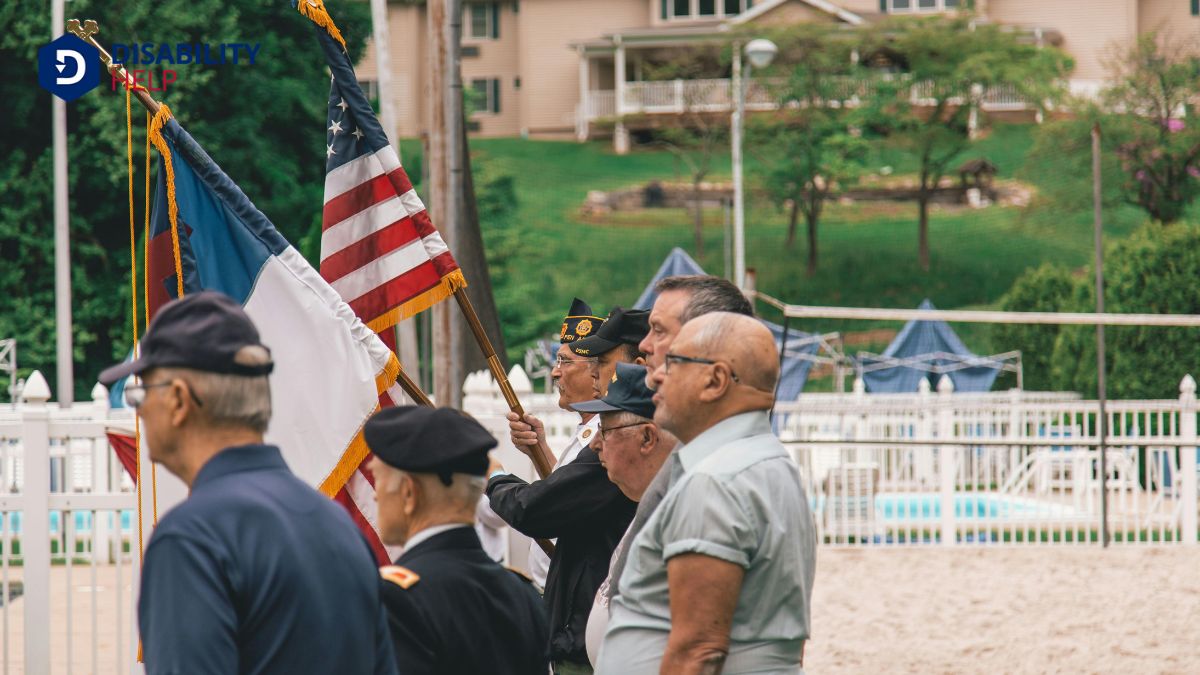
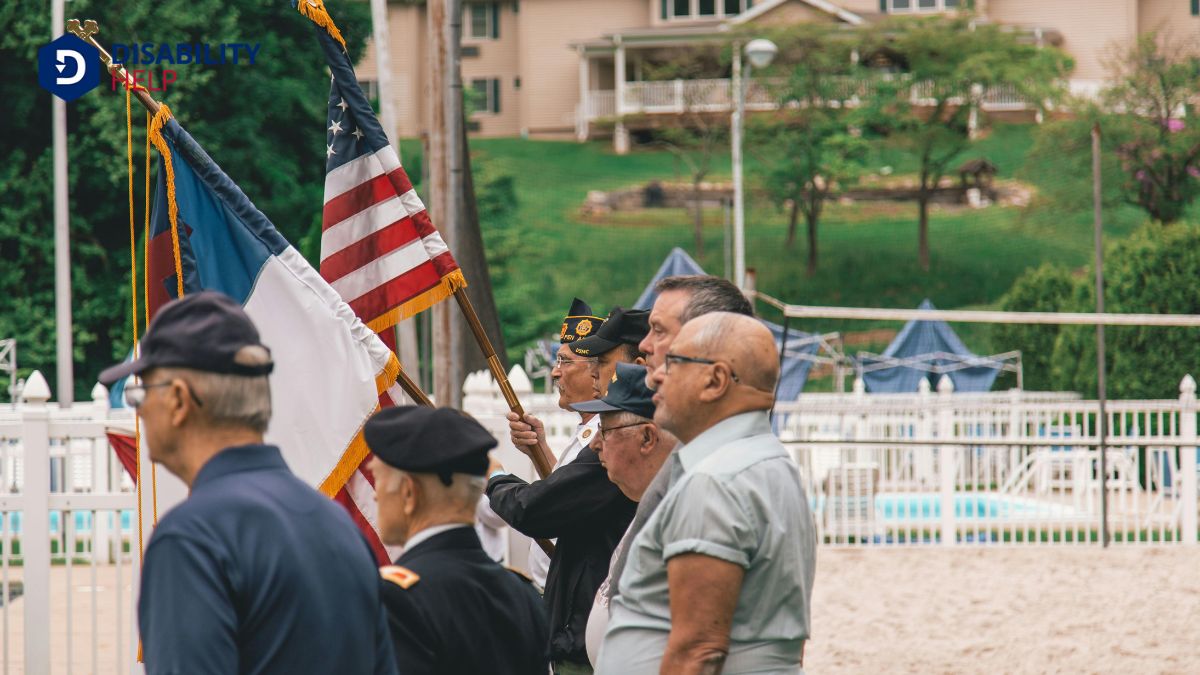
We honor veterans as those who've served in the armed forces, embodying dedication and sacrifice for our country. This includes individuals in both combat and non-combat roles, from frontline soldiers to logistics and medical support staff, each essential to military operations. Active duty members, as well as those in the Reserves and National Guard, who balance military duties with civilian life, also earn our deep admiration. Veterans who've served on foreign soil, facing unimaginable adversities, deserve particular recognition. By honoring these individuals, we acknowledge the diverse contributions that help maintain our nation's security and readiness. Let's explore further.

Key Takeaways

  • Veterans are individuals who have served in the armed forces, regardless of their role or location.
  • Both combat and non-combat roles are honored for their contributions to military missions and national security.
  • Active duty members, reservists, and National Guard members are recognized for their service and readiness.
  • Veterans of Foreign Wars are acknowledged for their service abroad, including combat and peacekeeping missions.
  • Support personnel, crucial for military success, are honored for their logistical, medical, and administrative contributions.

Definition of a Veteran

When we talk about veterans, we're referring to individuals who've served in the armed forces, whether during times of war or peace. Veterans have committed a portion of their lives to defending and serving our country, wearing the uniform of branches like the Army, Navy, Air Force, Marines, or Coast Guard. Their service isn't defined by combat alone; it includes a range of duties and responsibilities that contribute to our national security.

Understanding who qualifies as a veteran helps us appreciate the breadth of their experiences. Veterans aren't limited to those who've fought on the front lines; they include anyone who's completed active duty service. This means that if someone has served full-time in the armed forces and received a discharge that's not dishonorable, they're recognized as a veteran.

In recognizing veterans, we acknowledge the diverse roles they held, whether they were stationed abroad or served domestically. Each veteran's contribution is unique and valuable. By honoring them, we show appreciation for their willingness to commit to a cause greater than themselves.

This understanding helps us support them better in civilian life, ensuring they receive the respect and care they've earned.

Combat vs. Non-Combat Roles

Combat vs. Non-Combat Roles

When we think about veterans, it's important to recognize both combat and non-combat roles. Support roles are essential, ensuring missions succeed and troops remain safe and effective. Let's honor the diverse contributions of all military personnel, acknowledging that every role matters in protecting our freedoms.

Importance of Support Roles

Acknowledgment of the diverse roles in the military highlights the important distinction between combat and non-combat positions. It's essential to recognize that support roles, often behind the scenes, are the backbone of any successful military operation. Without these roles, combat missions couldn't be planned, executed, or sustained. We must appreciate the intricacies involved in these support positions, which are crucial to achieving mission success.

Consider these key aspects of support roles:

  1. Logistics and Supply Chain: Ensuring troops have the necessary equipment, food, and ammunition is crucial. Without efficient logistics, operational readiness would be compromised.
  2. Intelligence and Communications: Gathering and interpreting data to make informed decisions is fundamental. Effective communication ensures that the right information reaches the right people at the right time.
  3. Medical and Psychological Support: Providing care for physical injuries and mental well-being is essential for maintaining troop morale and effectiveness.

Non-Combat Contributions Matter

In our reflection on military service, it's significant to recognize that contributions from non-combat roles are just as essential as those from combat positions. We often visualize veterans as those who've faced the enemy on the front lines. However, many veterans have served in invaluable capacities that never involved direct combat. These roles, although behind the scenes, are vital for the success of any military operation.

Think about the logistics personnel who ensure troops have the necessary supplies, the medical teams who provide lifesaving care, and the intelligence analysts who gather critical information. Each of these roles requires dedication, skill, and a commitment to the mission. Without them, combat operations might struggle or fail.

Moreover, non-combat roles often demand just as much courage and resilience. They face unique challenges and pressures, whether it's coping with the stress of supporting a mission from afar or dealing with the consequences of their critical decisions.

Recognizing Diverse Military Service

Celebrating the full spectrum of military service means embracing both combat and non-combat roles as equally vital threads in the fabric of our armed forces. We often focus on the bravery of those in combat, but let's not forget the essential roles played by those who may not face direct danger but still contribute significantly. Non-combat roles like logistics, intelligence, and medical support guarantee that our military operates efficiently and effectively.

Understanding this broader view helps us appreciate how diverse military service is. Here's why both combat and non-combat roles deserve recognition:

  1. Support Systems: Non-combat personnel provide indispensable support that enables combat units to function smoothly. Without them, missions could falter due to a lack of supplies or medical care.
  2. Intelligence Gathering: Those in intelligence roles gather vital information that informs strategic decisions, often determining the success or failure of missions.
  3. Technological Advancements: Engineers and technicians develop and maintain the technology that keeps us ahead, whether through communication systems, weaponry, or cybersecurity.

Active Duty and Reserves

Active Duty and Reserves for Veterans

When we consider who qualifies as a veteran, it's important to understand the roles of active duty and reserves. Active duty members serve full-time in the military. They're the individuals we often picture when thinking of military service: deployed overseas, working on bases, or stationed on ships. Their commitment is year-round, and they're always prepared to respond to orders and missions.

In contrast, reservists balance civilian life with military commitments. They typically train one weekend a month and participate in longer training sessions annually. Despite their part-time status, reservists are essential to our military's readiness. They can be called to active duty during times of need, such as war or national emergencies. This flexibility allows them to support active duty forces while maintaining civilian careers and lives.

Recognizing both active duty and reserve members as veterans acknowledges their sacrifices and contributions. Both groups commit to serving our country, and their roles, though different, are equally important. By understanding the distinctions and similarities between these service paths, we can better appreciate the dedication and courage required from anyone who wears the uniform, whether full-time or part-time.

National Guard Members

Many people may not fully grasp the unique role National Guard members play in our military framework. They serve both state and federal governments, providing a critical link between local communities and the broader national defense. Unlike active duty forces, National Guard members balance civilian life with military responsibilities, often juggling careers and family while being prepared to serve at a moment's notice.

To appreciate their contributions, consider the following:

  1. Dual Role: National Guard members can be called by state governors for emergencies like natural disasters or by the President for federal missions, showcasing their versatile dedication.
  2. Community Impact: They live and work among us, providing essential services during domestic crises that bolster community resilience.
  3. Training and Readiness: Despite fewer deployments than active duty counterparts, their thorough training ensures they're ready for both combat and humanitarian missions.

Veterans of Foreign Wars

While National Guard members play an indispensable role here at home, we must also recognize those who've served on foreign soil—our Veterans of Foreign Wars. These individuals have journeyed far from the comforts of home to protect our nation's interests, often in challenging and dangerous environments. They've witnessed the complexities of global conflicts firsthand and have faced adversities that many of us can only imagine.

As we think about these veterans, it's important to acknowledge the diverse roles they played abroad. Whether they were on the front lines, providing essential support, or working behind the scenes, each contribution was crucial. Their service wasn't just about engaging in combat; it included peacekeeping missions, humanitarian efforts, and fostering international cooperation.

Honoring Military Families

Beyond the service members themselves, we mustn't overlook the vital role played by military families. They stand as the backbone, providing steadfast support and enduring countless sacrifices. It's crucial we acknowledge their contributions, not just in words but in meaningful actions. Military families face unique challenges, and understanding these can guide us in offering better support.

Consider the following ways military families impact our service members' lives:

  1. Emotional Support: They offer a constant source of love and encouragement, essential for maintaining morale during deployments and changes.
  2. Adaptability: Frequent relocations demand resilience and flexibility, often requiring families to rebuild their lives and support networks from scratch.
  3. Sacrifices: While service members are deployed, families manage the day-to-day responsibilities and emotional weight of their absence, often with little recognition.

Recognizing Support Personnel

Recognizing Support Personnel for Veterans

In addition to honoring the service members and their families, we must recognize the important contributions of support personnel who work tirelessly behind the scenes. They may not wear uniforms, but their roles are fundamental to the success of military operations. These individuals include logistics coordinators, medical staff, administrative assistants, and more. Without them, the seamless functioning of military endeavors would be impossible. We often overlook their dedication, yet they ensure that our service members have the resources and support they need to perform their duties effectively.

Support personnel handle immense responsibilities. They manage supplies, coordinate transportation, and provide essential healthcare services. Their expertise and efficiency allow our troops to focus on their missions, knowing they have a reliable team backing them up.

We often take for granted the meticulous planning and execution required to maintain military readiness, all of which depend on the competency of these unsung heroes.

As we honor veterans, let's broaden our appreciation to include those who contribute to the broader mission of defense. By doing so, we recognize the essential role support personnel play in safeguarding our nation and supporting our armed forces.

Conclusion

To understand who we honor as veterans, let's remember that being a veteran isn't just about serving in combat. It includes those on active duty, reserves, and even the National Guard. We also honor Veterans of Foreign Wars, and it's vital to recognize military families and support personnel who stand behind them. Together, we owe our gratitude to all these individuals for their dedication and sacrifices. Let's continue to appreciate and honor their invaluable contributions.

The post Who Do We Honor as a Veteran? appeared first on Resources on Disability Assistance: Your Rights and Benefits.


source https://www.disabilityhelp.org/who-do-we-honor-as-a-veteran-2/

Why Are Veterans so Special?

Veterans are special due to their unwavering commitment and profound sense of duty. They choose service over comfort, displaying courage and selflessness that inspires us all. Their leadership skills, honed through military experience, enable them to make decisive choices and motivate others. Veterans adapt to challenging environments with resilience, teaching us strength. Their community impact doesn't end with military service; they lead initiatives, mentor youth, and drive economic growth through entrepreneurship. By continuing to contribute as volunteers and leaders, veterans make lasting contributions that enrich our communities and inspire future generations. There's much more to discover about their remarkable influence.

Key Takeaways

  • Veterans demonstrate unwavering commitment and profound responsibility through their readiness to respond to any call of duty.
  • They embody selflessness by prioritizing duty over personal comfort and making sacrifices for a larger cause.
  • Military experience equips veterans with leadership skills like decisiveness, effective communication, and teamwork.
  • Veterans exhibit resilience by solving problems under pressure and adapting to challenging circumstances.
  • They make lifelong contributions through community leadership, mentorship, and volunteerism, fostering growth and unity.

Commitment to Service

When we think about veterans, their unwavering commitment to service stands out as one of their most defining qualities. This dedication goes beyond just fulfilling a duty; it embodies a profound sense of responsibility toward their country and fellow citizens.

Together, we can appreciate how veterans consistently prioritize the collective good over personal gain. Their commitment involves rigorous training, adapting to challenging environments, and maintaining readiness to respond to any call of duty.

We often wonder what fuels such steadfast dedication. It's the belief in a cause greater than themselves and a desire to protect the freedoms we enjoy daily. This commitment is evident in their willingness to face adversity head-on, remaining resilient even in uncertain and demanding circumstances.

We see this in their discipline, teamwork, and leadership, which are indispensable qualities in both military and civilian life.

Sacrifice and Selflessness

Sacrifice and Selflessness of Veterans

As we consider the sacrifices veterans make, we can't overlook their acts of valor that put duty over comfort. They prioritize serving a greater good, often at the expense of personal safety and well-being.

Let's explore how their selflessness sets them apart and why it earns our deepest respect.

Acts of Valor

Veterans embody acts of valor through their profound sacrifice and selflessness, qualities that set them apart. Every day, they make choices that prioritize the well-being of others over their own, demonstrating a commitment that many of us may never fully comprehend. This commitment often involves putting themselves in harm's way, leaving behind family and friends, and enduring hardships that test their endurance and resolve. Through these actions, veterans earn our respect and gratitude, and they provide us with invaluable lessons on what it truly means to serve.

When we think about the acts of valor performed by veterans, several key aspects come to mind:

  • Courage in adversity: Veterans face situations that require immense bravery, often under extreme stress and danger.
  • Commitment to comrades: They consistently put the needs of their fellow service members above their own safety.
  • Adaptability: Veterans quickly adapt to ever-changing environments and challenges, showcasing remarkable resilience.
  • Unwavering dedication: Their loyalty to their mission and country is unwavering, regardless of personal cost.

Understanding the depth of their sacrifice helps us appreciate the unique role veterans play in our society, reminding us of the extraordinary lengths they go to for our collective safety and freedom.

Duty Over Comfort

Acts of valor highlight the courageous deeds of veterans, but it's their unwavering sense of duty over comfort that truly exemplifies their sacrifice and selflessness. We often marvel at their bravery in the face of danger, yet it's equally important to recognize the countless moments when they choose duty over personal ease. They willingly forego the warmth of home, the embrace of loved ones, and the safety of civilian life to fulfill responsibilities that demand immense personal sacrifice.

Imagine the countless nights spent in inhospitable conditions, the rigorous training endured, and the emotional challenges faced. Veterans make these sacrifices not for personal gain but because they believe in something larger than themselves. This commitment requires setting aside personal desires and enduring hardships that many of us can't fully comprehend.

By prioritizing duty, they teach us about the true meaning of selflessness.

Their actions remind us that there's value in placing the needs of others before our own. We can draw inspiration from their example, understanding that true dedication involves making difficult choices.

As we reflect on the veterans' sacrifices, we recognize the depth of their commitment and the special place they hold in our society.

Serving Greater Good

At the core of a veteran's journey lies an unwavering dedication to serving a greater good, where sacrifice and selflessness aren't just ideals but lived experiences. We recognize that veterans have willingly set aside personal comforts and ambitions to serve something larger than themselves. This dedication goes beyond the battlefield, influencing every aspect of their lives and inspiring us to grasp the depth of their service.

When we reflect on the qualities that define veterans, several stand out:

  • Sacrifice of Time: Years spent away from family and friends, missing significant life moments, all in pursuit of duty.
  • Selflessness in Action: Prioritizing the needs of others, often putting their own lives at risk for the safety and freedom of many.
  • Commitment to Service: Whether in uniform or as civilians, veterans continue to contribute to their communities, compelled by a sense of duty.
  • Resilience in Adversity: Overcoming challenges and hardships, both during and after service, showing strength and determination.

Understanding these aspects helps us appreciate why veterans hold a special place in our society. Their lives exemplify what it means to serve the greater good, encouraging us to ponder how we, too, might contribute selflessly to our communities.

Leadership and Teamwork

Leadership and Teamwork of Veterans

When we think about leadership and teamwork, it's clear that veterans bring a unique set of skills honed through their military experience. In the military, leadership isn't just a position; it's a responsibility ingrained in every service member. We've seen veterans lead by example, often demonstrating integrity and accountability. Their ability to make decisions under pressure and motivate others through challenging circumstances stands out. They don't just direct; they inspire, fostering a sense of trust and commitment in their teams.

Teamwork in the military is essential. Veterans understand that success depends on working together and valuing each member's contribution. They've learned to communicate effectively, ensuring everyone is on the same page, even in high-stakes situations. This experience teaches them to collaborate and adapt, skills crucial in any group setting.

We also admire how veterans carry these lessons into civilian life. They often become the glue holding teams together in workplaces, leading with empathy and understanding. By leveraging their military training, veterans enhance any team's performance, bridging gaps and building cohesive units. Their leadership and teamwork skills truly make them special assets in our communities.

Resilience in Adversity

Veterans' resilience in adversity is a reflection of their remarkable strength and adaptability. We've witnessed how veterans face challenges head-on, drawing from their training and experiences. Their ability to bounce back from difficult situations isn't just about survival; it's about thriving in the face of obstacles. We admire how they turn setbacks into opportunities for growth and learning. This resilience becomes evident in various aspects of their lives and can teach us valuable lessons.

  • Problem-solving under pressure: Veterans have honed their skills in making quick, effective decisions even in chaotic environments.
  • Adaptability to change: They have a knack for adjusting to unexpected circumstances, an essential trait in both military and civilian life.
  • Emotional strength: Facing adversity has strengthened their capacity to handle stress and maintain composure.
  • Perseverance: Veterans demonstrate an unwavering commitment to their goals, regardless of the difficulties they encounter.

In understanding their resilience, we gain insight into the qualities that define true strength. By learning from veterans, we too can cultivate resilience in our lives. Their experiences remind us that adversity isn't just a hurdle—it's an opportunity to grow stronger and wiser.

Community Impact

As we explore the community impact of veterans, we see how they strengthen local initiatives with their leadership and dedication. Their involvement often inspires youth to engage more with their communities, fostering a sense of responsibility and purpose. By working together, we can harness their unique skills to create positive change and build stronger communities.

Strengthening Local Initiatives

Local initiatives thrive when we harness the unique skills and experiences of veterans whose dedication and leadership can drive community impact. Veterans bring a wealth of experience from diverse backgrounds, making them invaluable assets in strengthening our local efforts.

By engaging with veterans, we can leverage their problem-solving abilities and strategic thinking to address community challenges more effectively. Their commitment to service often extends beyond their military careers, inspiring others to contribute positively.

To strengthen local initiatives, we can:

  • Integrate veterans into leadership roles: Their leadership skills can guide projects to success, ensuring that resources are used effectively.
  • Encourage collaboration with local organizations: Veterans can bridge gaps between community groups, fostering collaboration and unity.
  • Offer mentorship programs: Veterans can mentor others in the community, sharing their knowledge and experiences to help individuals and groups grow.
  • Promote civic engagement: Their sense of duty can inspire increased participation in civic activities, strengthening the fabric of our communities.

Inspiring Youth Engagement

Inspiring Youth Engagement of Veterans

Often, the energy and enthusiasm of youth can be harnessed to create meaningful community impact. As veterans, we've the unique opportunity to inspire and guide younger generations. We've experienced challenges and triumphs, learned valuable lessons, and developed a strong sense of duty. By sharing these experiences, we can motivate youth to engage more deeply with their communities.

When we connect with young people, we open doors for them to understand the importance of service and leadership. Veterans can serve as mentors, offering insights that textbooks can't provide.

We can organize workshops or community projects where youth learn firsthand the value of teamwork and perseverance. This engagement not only benefits them personally but also strengthens community bonds.

Lifelong Contributions

Throughout their lives, veterans make significant contributions that extend far beyond their military service. Their unique experiences and skills often lead them to roles where they continue to serve others and enrich our communities in meaningful ways. It's not just about the discipline or leadership skills they've honed; it's about the enduring impact they make across various sectors.

  • Community Leadership: Many veterans step into roles as community leaders, using their organizational skills to drive positive change locally.
  • Mentorship and Education: Veterans often become mentors, sharing their knowledge and life experiences with younger generations, fostering growth and resilience.
  • Entrepreneurship: The risk-taking and strategic planning skills veterans develop are perfect for entrepreneurship, leading to successful business ventures that create jobs and innovation.
  • Volunteerism: With a strong sense of duty, veterans frequently volunteer for causes they care about, contributing their time and skills to improve society.

These contributions highlight why veterans hold a special place in our hearts. Their influence is woven into the fabric of our communities, offering guidance, opportunity, and stability. As we recognize their lifelong contributions, let's remember the countless ways they continue to shape our world for the better.

Conclusion

In recognizing why veterans are so special, we see their unwavering commitment to service, the sacrifices they make, and their selfless dedication to others. They exemplify leadership and teamwork, showing resilience in the face of adversity. Their impact extends beyond the battlefield, enriching our communities through lifelong contributions. Let's honor and support them, acknowledging the profound and lasting influence they've had on our lives and the values they inspire in us all.

The post Why Are Veterans so Special? appeared first on Resources on Disability Assistance: Your Rights and Benefits.


source https://www.disabilityhelp.org/why-are-veterans-so-special/

What Are the Benefits of Filipino Veterans?

We recognize and honor the invaluable contributions of Filipino veterans through an array of benefits. They receive financial support from the Filipino Veterans Equity Compensation Fund, providing payments for essential needs. Healthcare benefits guarantee access to medical services, rehabilitation, and pharmaceutical needs. Educational opportunities empower veterans and their dependents to gain new skills. Burial and memorial honors demonstrate gratitude through interment in national cemeteries and military honors at funerals. Recent legislative advances have also enhanced their access to healthcare, pensions, and housing assistance. These initiatives reflect our commitment to appreciating and supporting their dedicated service. There's more to uncover.

Key Takeaways

  • Filipino veterans receive financial support through the Filipino Veterans Equity Compensation Fund with one-time payments.
  • They have access to comprehensive healthcare benefits, including medical services and rehabilitation.
  • Educational assistance is available for veterans and their dependents, promoting personal and professional growth.
  • Burial and memorial honors are provided, including interment in National Cemeteries and military funeral honors.
  • Recent legislative advances have improved healthcare access, increased pensions, and expanded housing assistance for veterans.

Historical Context of Service

Let's immerse ourselves in the historical context of service by Filipino veterans who bravely stood alongside Allied forces during pivotal moments in history. During World War II, the Philippines, still a U.S. territory, became an essential strategic location. Our soldiers courageously fought in the Battle of Bataan and the infamous Bataan Death March, enduring immense hardship and suffering. They played a critical role in the eventual liberation of the Philippines and contributed significantly to the Allied victory in the Pacific.

Their service didn't end there. Filipino veterans continued to show their mettle during the Korean and Vietnam Wars. As members of various military units, these veterans provided essential support, from combat roles to logistical functions, ensuring that our collective efforts remained robust and effective. Their dedication wasn't just about duty; it was about a shared commitment to freedom and peace.

Understanding this historical context highlights the important contributions and sacrifices made by these veterans. It reminds us of the deep bonds forged through shared struggles and triumphs.

Their legacy is a testament to resilience and courage, and it shapes how we honor their service today. Let's reflect on their enduring impact with gratitude and respect.

Financial Compensation

Financial Compensation for Filipino Veterans

Although their heroic efforts often went unrecognized for decades, Filipino veterans have gradually received the financial compensation they deserve for their service. This recognition comes in the form of various benefits, primarily through payments like the Filipino Veterans Equity Compensation (FVEC) Fund.

Established by the U.S. government in 2009, this fund was a significant step towards acknowledging the sacrifices made by these brave individuals during World War II. Eligible veterans residing in the United States receive a one-time payment of $15,000, while those in the Philippines receive $9,000.

We understand that these payments can't fully compensate for the years of service and sacrifices made. However, they do represent an important acknowledgment, helping veterans and their families with essential needs.

Applying for these benefits requires documentation proving military service, which has posed challenges for some. Yet, these efforts are critical for ensuring veterans receive their rightful benefits.

Let's appreciate how this financial compensation assists in making life a bit more comfortable for our veterans. We should continue advocating for more extensive support and recognition, ensuring their contributions are honored and remembered appropriately.

Healthcare Access

Access to healthcare stands as an essential pillar of support for Filipino veterans, guaranteeing their well-being after years of service. We recognize that our veterans have faced unique challenges, both during and after their service. Providing them with detailed healthcare options is critical. These benefits not only cover medical needs but also aim to enhance their quality of life.

To understand the scope of these benefits, let's look at some key aspects of healthcare access for Filipino veterans:

  • Medical Services: Veterans have access to various medical services, including regular check-ups, specialist consultations, and necessary procedures.
  • Hospitalization: When necessary, veterans can receive hospital care without the burden of high medical bills.
  • Rehabilitation: Access to rehabilitation services ensures veterans can recover physically and mentally after injuries or illnesses.
  • Pharmaceutical Needs: Prescription medications are more easily obtainable, reducing financial stress on veterans needing ongoing treatments.

These healthcare provisions ensure our veterans aren't left to face their health issues alone. By understanding and utilizing these benefits, we can help guarantee that those who are served can enjoy a healthier, more secure life. It's our responsibility to spread awareness and encourage veterans to take full advantage of these available resources.

Education Benefits

Beyond healthcare, Filipino veterans also enjoy benefits in education that empower them to pursue new opportunities and enhance their skills. These educational benefits can make a significant difference in our lives, allowing us to adapt to changing job markets or fulfill lifelong learning ambitions.

One of the key programs available is the Veterans Affairs educational assistance, which helps cover tuition and fees for courses that veterans wish to undertake. This means we can commence on new academic journeys without the financial burden that often comes with higher education.

Moreover, these benefits aren't limited to us alone. Our dependents, like children or spouses, may also qualify for educational assistance, broadening the reach of this support. This can be particularly valuable in ensuring our families have the opportunities they need to succeed.

By utilizing these benefits, we open doors to personal and professional growth, ensuring we remain competitive and fulfilled in our careers.

The educational benefits for Filipino veterans highlight the importance of continuous learning and development. They help us shift smoothly into civilian life, equipping us with the knowledge and skills necessary to thrive in various fields. Let's seize these opportunities for ourselves and our families.

Burial and Memorial Honors

Honoring the heritage of our Filipino veterans, burial and memorial honors serve as a tribute to their courage and dedication. When we reflect on the sacrifices these brave individuals made, it's essential to remember that their devotion isn't forgotten. These honors offer a meaningful way for us to express gratitude and ensure their stories are preserved for future generations.

Our Filipino veterans are entitled to several specific burial and memorial benefits, which include:

  • Interment in National Cemeteries: Eligible veterans can be laid to rest in national cemeteries, surrounded by fellow heroes.
  • Headstones and Markers: The government provides headstones or markers to commemorate their service, ensuring they're remembered with respect.
  • Presidential Memorial Certificate: Family members receive a certificate, signed by the President, thanking veterans for their service.
  • Military Honors: A funeral with military honors can include a flag presentation, playing of "Taps," and a rifle salute, delivering a solemn tribute to their service.

Citizenship and Immigration

Citizenship and Immigration of Filipino Veterans

Our nation's gratitude towards Filipino veterans extends beyond mere recognition; it also encompasses significant pathways to citizenship and immigration benefits. These benefits serve as a tribute to the sacrifices and bravery of Filipino soldiers who served alongside American forces, particularly during World War II. For many veterans and their families, these pathways offer a chance to reunite and establish a life in the United States.

We understand that the process of obtaining citizenship and immigration benefits can be complex, but it's important to acknowledge the efforts made to simplify and expedite these processes for our veterans. Filipino veterans who've served honorably are eligible for U.S. citizenship, even if they reside outside the country. This eligibility reflects our commitment to honoring their service by providing them with the opportunity to become American citizens.

Moreover, certain immigration provisions allow veterans to assist their families in immigrating to the United States. The family reunification process is vital, as it provides an avenue for these veterans to bring their loved ones closer, fostering a sense of home and community. These pathways not only recognize their service but also strengthen the bonds between our nations, ensuring veterans and their families are treated with the dignity they deserve.

Recent Legislative Advances

Recent legislative advancements have further solidified the support for Filipino veterans, building on the benefits of citizenship and immigration. These changes reflect our collective acknowledgment of their sacrifices and aim to enhance their quality of life. Understanding the recent shifts can help us better appreciate their impact on Filipino veterans.

Here's what these advancements include:

  • Improved Healthcare Access: Legislation has expanded healthcare services, guaranteeing veterans receive the medical attention they deserve. This includes more inclusive coverage and easier access to facilities.
  • Increased Pension Benefits: New laws have raised pension amounts, recognizing the financial needs of veterans and their families. This increase provides more security and stability.
  • Education Support: Amendments have enriched educational opportunities for veterans and their dependents, promoting personal and professional growth. This support includes tuition assistance and scholarships.
  • Housing Assistance: Recent policies have strengthened housing programs, facilitating home ownership and affordable housing options for veterans.

These advancements represent significant strides in honoring our commitment to those who've served. As we continue to support Filipino veterans, staying informed about these legislative changes guarantees we can advocate effectively for ongoing improvements and recognize the invaluable contributions of these heroes.

Conclusion

In recognizing Filipino veterans' bravery and dedication, we honor their legacy through tangible benefits. We guarantee they receive financial compensation and healthcare access, acknowledging their sacrifices. Education benefits open doors for their families, while burial and memorial honors preserve their stories. Citizenship pathways strengthen their ties to the nation they've served. Thanks to recent legislative advances, we're dedicated to supporting our veterans, guaranteeing their service and contributions are never forgotten. Let's continue to champion their rights together.

The post What Are the Benefits of Filipino Veterans? appeared first on Resources on Disability Assistance: Your Rights and Benefits.


source https://www.disabilityhelp.org/what-are-the-benefits-of-filipino-veterans/

Thursday, November 7, 2024

Who Is Considered a Veteran?

We consider someone a veteran if they've served in the armed forces, whether during times of peace or conflict and meet government criteria like an honorable discharge. Veterans can come from various military branches, including the Army, Navy, Air Force, Marine Corps, or Coast Guard. Even members of the Reserve and National Guard might qualify. The service duration and specific roles are essential, requiring a minimum active duty period, usually around 180 days. Each role, from combat to support, plays an essential part in military operations. There's more to explore about how these criteria affect benefits and service access.

Key Takeaways

  • A veteran is someone who served in active military, naval, or air service and was honorably discharged.
  • Reserve and National Guard members can qualify as veterans if they meet specific service requirements.
  • Veteran status can depend on the type and duration of military service, including wartime service.
  • Government policies define veteran status, which impacts eligibility for benefits like the GI Bill and VA healthcare.
  • Every military role, whether combat-related or supportive, is essential to achieving mission success.

Definition of a Veteran

Definition of a Veteran

A veteran is typically defined as someone who's served in the armed forces of a country. This definition includes individuals who've completed their service, whether they served in times of peace or conflict. We often think of veterans as those who've faced combat, but this isn't always the case. Many veterans have served in support roles that are vital to military operations, and their contributions are equally significant.

When we consider who qualifies as a veteran, it's important to recognize various factors, such as the length of service and the nature of discharge. Generally, individuals who've been honorably discharged after completing their duty are considered veterans. However, certain benefits and recognitions may require meeting specific criteria.

Understanding this definition helps us appreciate the diverse experiences of those who've served. Veterans come from all walks of life and have made sacrifices to protect and serve their nation. As we acknowledge them, we should remember that their service isn't solely defined by battlefield experiences but also by their commitment and dedication to their roles. By doing so, we honor the full scope of their contributions.

Military Branches and Service

When we discuss who qualifies as a veteran, we need to take into account the different military branches like the Army, Navy, Air Force, Marine Corps, and Coast Guard. Each branch has its own criteria and duration of service that impact eligibility. Let's delve into how these factors determine who earns the title of veteran.

Eligibility Across Different Branches

Understanding who qualifies as a veteran across the different branches of the military can seem complex, but it's important for those seeking benefits and recognition. Each branch — Army, Navy, Air Force, Marine Corps, Coast Guard, and Space Force — has specific criteria to determine who's considered a veteran. While the broad definition involves having served in the active military, naval, or air service and being discharged under conditions other than dishonorable, nuances exist in each branch.

We must acknowledge that eligibility doesn't solely depend on combat experience; support roles and peacetime service also count. Each branch values every member's contribution, whether they were on the front lines or supporting from a base. It's essential to understand that Reserve and National Guard members can also qualify as veterans. They must meet certain conditions, such as being called to active duty by federal orders.

Navigating these criteria helps us acknowledge the efforts of all service members. As we seek to understand who qualifies as a veteran, we're reminded of the diverse paths individuals take in serving our country. Let's appreciate the unique roles and sacrifices made across all branches.

Duration of Required Service

Determining the duration of required service to be considered a veteran involves understanding the specific commitments across different military branches. Each branch—Army, Navy, Air Force, Marine Corps, and Coast Guard—has its own set of guidelines. Typically, a minimum service period is necessary to qualify as a veteran, although exceptions exist, especially if one has been discharged under certain conditions, like medical reasons.

For most branches, two years of active duty is a common metric, but it's not always set in stone. For instance, those who served in the National Guard or Reserves might qualify if they were called to active duty and served the full call-up period, even if it's less than two years.

We should also consider the nature of discharge. An honorable or general discharge often meets the criteria, while other types might not. Moreover, specific wartime service might alter these requirements. For example, those who served during major conflicts might see different considerations.

Let's remember that the aim is to recognize the commitment and sacrifice of those who've served, regardless of branch or duration. Understanding these nuances helps us appreciate the diverse paths individuals take in service to our country.

Criteria for Veteran Status

In today's society, recognizing who meets the criteria for veteran status is essential for ensuring they receive the benefits and respect they deserve. Let's explore what typically defines a veteran.

At its core, a veteran is someone who's served in the armed forces. This includes those who've been on active duty, in the National Guard, or part of the Reserve components. It's important to remember that not all service members qualify as veterans; the nature of their discharge plays a significant role.

For someone to be considered a veteran, they generally need to have been discharged under conditions other than dishonorable. This means that if a service member receives a general, honorable, or medical discharge, they usually meet the criteria for veteran status. Additionally, the type of service can also factor in. Those who served during wartime or in specific operational roles might've different qualifications than those who served during peacetime.

We should also note that there might be variations based on specific laws or policies, sometimes recognizing different criteria for different benefits. By understanding these criteria, we can better appreciate and support those who've served our country.

Duration of Service Required

When considering the duration of service required to achieve veteran status, it's significant to recognize that the criteria can vary. Different branches of the military and various government agencies have their own specific requirements. Generally, the term "veteran" applies to those who've served on active duty, but the length of service needed can differ.

For many, the minimum service requirement is 180 days of continuous active duty. However, this isn't a one-size-fits-all rule. Some circumstances, like deployment to a combat zone, might mean shorter terms still qualify someone as a veteran.

Alternatively, those who served in the National Guard or Reserves typically need to complete at least six years unless called to active duty, which could alter the requirement.

We should also consider how other factors, such as early discharge due to service-connected disabilities, can influence veteran status. In these cases, the duration of service might be shorter, but the commitment and sacrifice are acknowledged just as any lengthy service would be.

It's crucial to understand that while the duration of service is a key factor, the essence of being a veteran often transcends the number of days served.

Roles and Duties Considered

Roles and Duties Considered

When we consider who qualifies as a veteran, the roles and duties within military service play an essential part. We should look at how responsibilities, from administrative tasks to deployment and combat roles, contribute to one's veteran status. Understanding these diverse duties helps us appreciate the range of experiences that define a veteran.

Military Service Responsibilities

Although the definition of a veteran can vary, understanding the military service responsibilities that qualify someone as a veteran is important. When we think about military service, we often picture soldiers in uniform, but their responsibilities extend beyond what we see. Service members take on diverse roles, each essential to the functioning of the military. From administrative tasks to technical operations and leadership positions, these duties ensure mission success and operational readiness.

We must recognize that every role, whether combat-related or supportive, plays a critical part in the military's overall effectiveness. It's not just about wielding weapons; it's about logistics, communication, maintenance, and medical support, among many other duties. Each member contributes to a complex system designed to protect and serve our nation.

In considering who qualifies as a veteran, we should acknowledge that fulfilling these responsibilities during their service is a significant factor. Whether they served in active duty, the reserves, or the National Guard, their commitment to their roles underlines their status as veterans.

Let's appreciate the breadth of responsibilities these individuals manage, which ultimately shapes their identity as veterans. Understanding this helps us honor their service with the respect it deserves.

Deployment and Combat Roles

Deployment thrusts service members into the heart of military operations, where they take on crucial combat roles that demand skill, resilience, and adaptability. These roles are diverse, ranging from infantry soldiers on the front lines to pilots soaring above conflict zones. Each role, whether it's in direct combat or in a supporting capacity, contributes to the mission's success.

We must recognize that deployment isn't just about engaging in combat; it's about fulfilling critical duties under challenging conditions.

During deployment, service members operate in environments that test their physical and mental limits. They might be tasked with reconnaissance, logistics, medical support, or communications, all requiring specialized training and expertise. Regardless of their specific roles, they face unpredictable situations that demand quick thinking and decisive action.

Understanding these duties helps us appreciate the breadth of what it means to serve. It's not just the traditional image of a soldier in combat that defines a veteran; it's also those who provide the necessary support that allows operations to proceed smoothly.

Government Definitions and Policies

Government definitions and policies regarding who's considered a veteran can be surprisingly complex. Let's explore how the government defines a veteran. Generally, the term refers to individuals who've served in the active military, naval, or air service and were discharged under conditions other than dishonorable. However, this definition can vary depending on the context.

For instance, some policies might include members of the National Guard and Reserves who've been activated for federal duty.

It's important to recognize that the duration and nature of service can influence veteran status. Federal agencies, like the Department of Veterans Affairs (VA), often have specific criteria. For example, the VA may require a minimum period of active duty service to qualify as a veteran, though exceptions exist for certain circumstances, such as service-related injuries.

Additionally, different branches of the government might interpret "veteran" differently based on their operational needs or legislative mandates. This variation can create confusion, but it's rooted in ensuring that benefits and recognition are appropriately aligned with service contributions. By understanding these definitions, we can better appreciate the diverse experiences and challenges faced by those who've served.

Impact on Benefits and Services

Understanding how the government defines a veteran is just the beginning; these definitions directly impact the benefits and services available to those who've served. When we think about veteran benefits, we often consider healthcare, education, and housing assistance. However, eligibility for these services depends on whether an individual meets the specific criteria set by various government agencies.

For example, the Department of Veterans Affairs (VA) has its own definitions, which can differ from those of the Department of Defense. This difference can lead to confusion and affect access to essential services. If someone served in the National Guard or Reserves, they may find that their benefits vary depending on the nature and length of their service.

We need to bear in mind that these definitions aren't just bureaucratic details—they have real-world consequences. They determine who can receive GI Bill benefits for education, access to VA healthcare, and even eligibility for home loan programs.

Conclusion

To understand who qualifies as a veteran, we've explored various definitions and criteria. It's clear that serving in any military branch, fulfilling specific roles and duties, and meeting certain duration requirements contribute to veteran status. Government policies play a key role in defining this status, which directly impacts the benefits and services available. By recognizing these factors, we can better appreciate and support those who have dedicated themselves to serving our country.

The post Who Is Considered a Veteran? appeared first on Resources on Disability Assistance: Your Rights and Benefits.


source https://www.disabilityhelp.org/who-is-considered-a-veteran/

Where Is My Social Security Check? How to Track It and Fix Delays in 2026

If you are asking where your Social Security check is, the answer depends on three things: your birth date, the type of benefit you receive...