Wednesday, October 30, 2024

What Is 20% VA Disability?

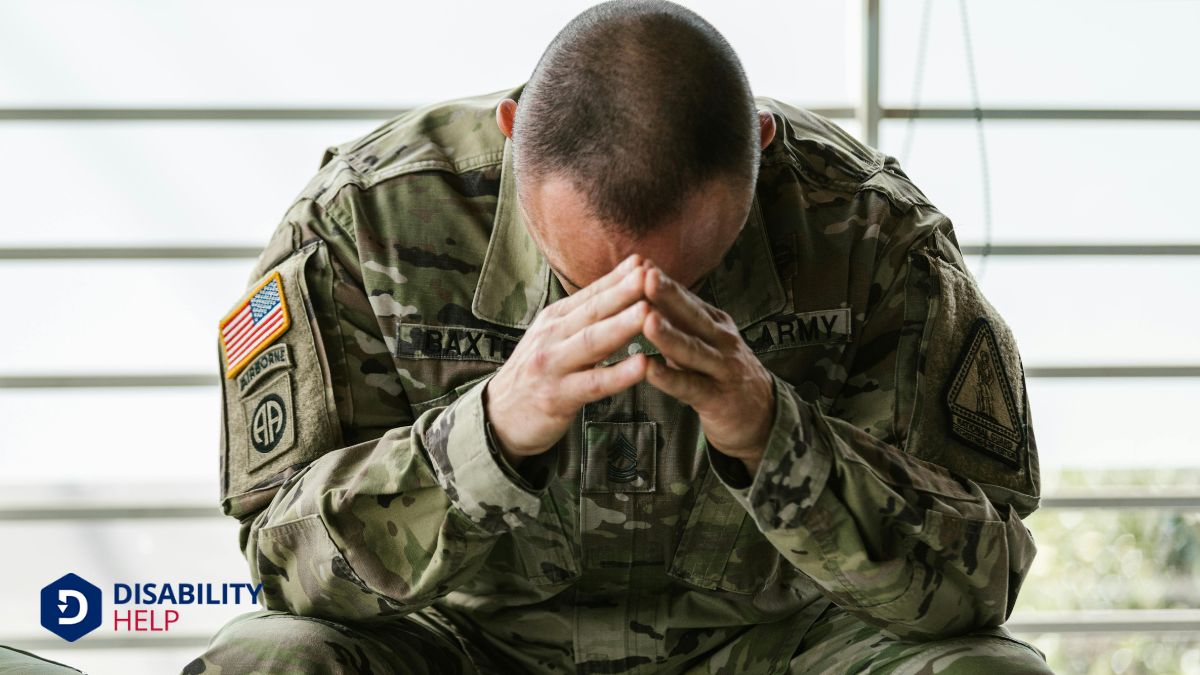
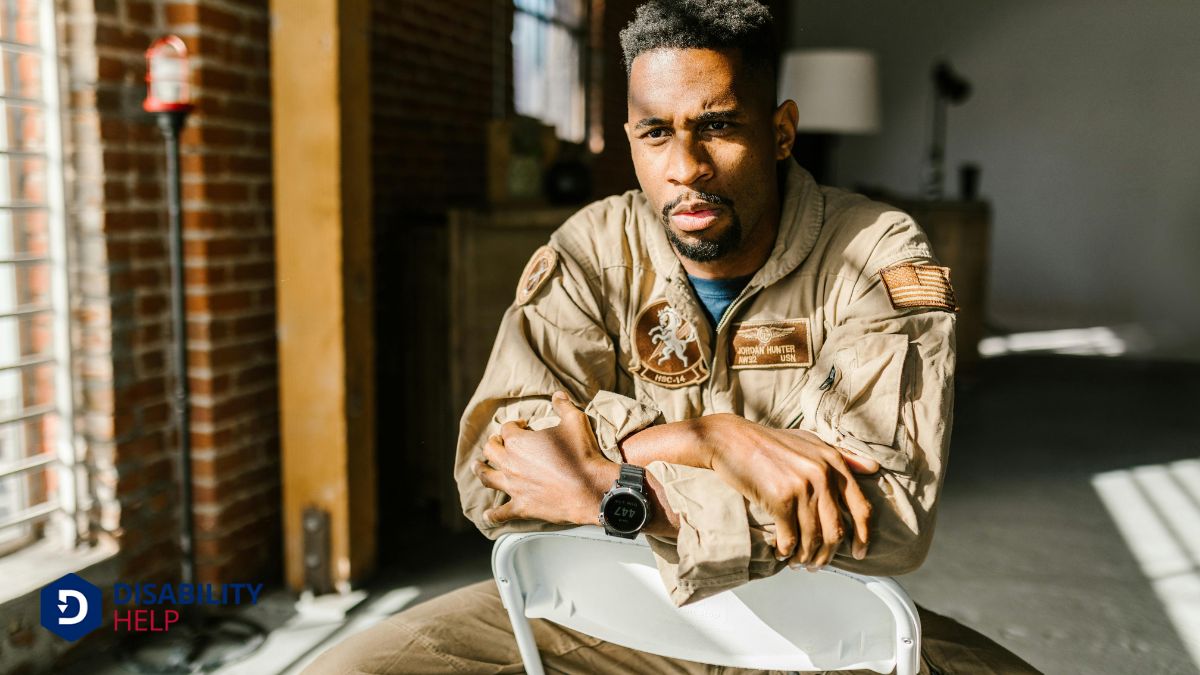
A 20% VA disability rating indicates a moderate impairment from service-connected conditions like joint injuries or tinnitus. This rating means the veteran experiences significant limitations or symptoms that affect daily life. Veterans with a 20% rating receive monthly tax-free compensation of around $327.99, which may increase based on dependents or cost-of-living adjustments. The rating system helps us navigate the VA's benefits, offering essential support and financial stability. Understanding the criteria and required medical evidence is crucial for a successful claim. There's more to uncover about how this affects overall benefits and lifestyle adjustments.

Key Takeaways

  • A 20% VA disability rating indicates moderate impairment from service-connected conditions.
  • This rating provides tax-free monthly compensation, approximately $327.99 as of 2023.
  • Commonly rated conditions include joint injuries, hearing loss, and mental health issues.
  • Medical evidence, such as detailed reports and exams, is crucial for securing a 20% rating.
  • Benefits include healthcare access, educational assistance, and potential housing grants.

Understanding VA Disability Ratings

Understanding the complexities of VA disability ratings can initially seem overwhelming, but grasping them is important for those seeking benefits. As veterans, we understand the significance of these ratings in ensuring we receive the support we need. The VA disability rating system assigns a percentage from 0% to 100%, reflecting the severity of a service-connected condition and its impact on our ability to work and perform daily activities. A higher percentage indicates a greater level of disability and, consequently, more substantial benefits.

When we navigate this system, it's vital to recognize that each condition we've is evaluated separately and then combined according to a specific formula to determine the overall rating. This formula isn't as straightforward as simple addition, which often leaves us puzzled. The VA uses a method called the "whole person" concept, ensuring that the combined rating never exceeds 100%.

Understanding our rating not only affects the financial assistance we receive but also opens doors to additional benefits, like healthcare and vocational training.

As we work through this process, it's important to stay informed and seek resources that clarify each step, helping us secure the benefits we deserve.

Criteria for a 20% Rating

Criteria for a 20% Rating

When we're trying to understand the criteria for a 20% VA disability rating, it's important to know what specific conditions and symptoms align with this level. The VA assigns ratings based on the severity of the disability and how much it impairs our ability to function daily. A 20% rating suggests a moderate level of impairment that affects our work or daily activities yet doesn't completely hinder them.

To determine this rating, the VA looks at various conditions, such as limited range of motion, pain levels, and frequency of symptoms. For instance, a joint injury might receive a 20% rating if it restricts movement significantly but still allows some function.

Similarly, conditions like tinnitus, which causes persistent ringing in the ears, may qualify if it impacts our concentration or hearing.

It's vital to provide thorough medical evidence, including detailed doctor reports and test results, to support our claim. The VA evaluates each condition individually, considering how it affects us physically and socially. Understanding these criteria helps us navigate the VA system more effectively, ensuring we receive the benefits appropriate for our level of disability.

Compensation for 20% Disability

Finding one's way through the VA's compensation process for a 20% disability rating can be important for many veterans' financial stability. Understanding how compensation works helps us plan our finances better. When the VA assigns a 20% disability rating, it means they recognize that our service-related condition impacts our daily life and ability to work, but not quite enough to warrant a higher rating.

The VA provides monthly tax-free compensation as acknowledgment and support. As of 2023, a veteran with a 20% disability rating receives approximately $327.99 per month. This amount can increase if we've dependents, such as a spouse or children, who rely on our income. It's crucial to keep in mind that these rates are subject to change based on cost-of-living adjustments.

We should remember that this compensation aims to help offset the economic impact of our disability. It's important to ensure our information with the VA remains current, as any changes in our condition or family situation might affect our compensation.

Dealing with the VA system can seem challenging, but understanding these basics empowers us to make informed decisions about our benefits.

Medical Conditions Commonly Rated

As we explore the medical conditions commonly rated for a 20% VA disability, let's focus on both physical impairments and mental health ratings.

Many veterans face physical conditions like joint pain and hearing loss, which frequently receive this rating.

Additionally, mental health issues such as anxiety and depression are often evaluated at the 20% level, reflecting their impact on daily functioning.

Common Physical Impairments

Understanding the common physical impairments that are often rated by the VA is vital for veterans seeking disability benefits. As we navigate this process, it's important to recognize which conditions often result in a 20% disability rating. Physical impairments can greatly impact our daily lives, and the VA acknowledges this by offering ratings based on severity and functional limitations.

Back and joint issues are among the most commonly rated impairments. Many of us experience back pain or joint problems due to the physical demands of military service. These can include arthritis, knee issues, or spinal conditions. The VA evaluates these based on a range of motion and pain levels.

Hearing loss is another condition frequently rated. Military environments expose us to loud noises, which can damage hearing over time. The VA uses hearing tests to determine how much this loss impacts our ability to function.

Frequent Mental Health Ratings

Frequent Mental Health Ratings

When browsing the VA's disability rating system, it's essential to recognize the mental health conditions that are frequently rated. These ratings guide us in understanding how veterans' mental health struggles are assessed and the benefits they may receive. Among the most commonly rated conditions are PTSD (Post-Traumatic Stress Disorder), depression, and anxiety. Each of these has specific criteria that the VA uses to determine the severity and impact on a veteran's daily life.

PTSD often results from traumatic experiences during service, and it's important for veterans to receive proper evaluation and support.

Depression and anxiety are also prevalent, affecting many veterans who may struggle to adjust to civilian life or cope with past experiences. The VA uses a percentage system to assess these conditions, which considers factors like the frequency, duration, and intensity of symptoms.

Understanding the criteria and process can empower us to advocate for ourselves or others. It's significant to remember that mental health conditions are as crucial as physical impairments when it comes to earning disability ratings. Knowing this, we can better navigate the system and seek the support needed for a healthier future.

How Ratings Are Determined

Let's explore how the VA determines disability ratings, starting with an overview of the evaluation criteria.

We'll also examine the importance of medical evidence in this process and how it influences the benefits we receive.

Understanding these elements is essential for effectively moving through the VA system.

Evaluation Criteria Overview

The evaluation criteria for determining VA disability ratings fundamentally hinge on the severity of a veteran's service-connected condition and its impact on their ability to function. When we look at the rating process, we see it's designed to assess how a particular condition affects everyday activities and overall health. The VA uses a schedule of ratings, which assigns percentages from 0% to 100% in increments of 10. Each percentage denotes the degree to which the condition decreases a veteran's ability to earn a living.

We should understand that a 20% rating reflects a level of impairment that's noticeable but not completely debilitating. The VA evaluates conditions based on specific diagnostic codes, each with detailed criteria outlining symptoms and levels of impairment. For instance, if two veterans have knee injuries, their ratings could differ based on range of motion, pain experienced, and other factors.

Our goal, as we navigate this process, is to grasp how each condition aligns with the VA's standards. By doing so, we can better understand what a 20% rating entails and how it might affect benefits. This clarity helps us advocate effectively for the support veterans deserve.

Medical Evidence Requirements

Understanding how VA disability ratings are determined requires a close look at the medical evidence requirements. When we're seeking a 20% VA disability rating, it's essential that we gather detailed medical documentation that accurately reflects the extent of our service-connected condition. The VA relies heavily on this evidence to assess the severity and impact of our disability.

First, we need to make sure that our medical records include comprehensive reports from healthcare providers. These should outline symptoms, treatments, and any limitations we experience in our daily lives. Consistency in our medical history can strengthen our case, highlighting the ongoing nature of our condition.

Additionally, the VA may require a Compensation and Pension (C&P) exam. This exam is conducted by a VA-appointed physician who evaluates the severity of our condition based on standardized criteria. It's important to attend this exam and communicate openly about how our condition affects us.

Lastly, we should consider providing personal statements or buddy letters from those who know us well. These can offer valuable insight into how our disability impacts our day-to-day activities. By assembling thorough and organized medical evidence, we enhance our chances of securing the appropriate disability rating.

Impact on Benefits

When it comes to understanding how disability ratings affect benefits, it's important we grasp how these ratings are determined. The VA uses a detailed schedule of ratings, evaluating the severity of your condition based on medical evidence and its impact on your daily life. This schedule assigns a percentage to reflect your level of disability, directly influencing the benefits you receive. For a 20% disability rating, the process involves analyzing your medical records, treatment history, and any limitations you experience in everyday activities.

It's vital to take into account the emotional and practical impact of these ratings:

  • Validation: Acknowledging the struggles we've faced and legitimizing our experiences.
  • Support: Offering financial assistance to ease the burden on us and our families.
  • Hope: Providing a sense of security and future stability.
  • Empowerment: Encouraging us to seek further treatment and rehabilitation.
  • Justice: Recognizing our sacrifices and service.

Impact on Employment and Daily Life

Impact on Employment and Daily Life

Moving through a 20% VA disability rating can greatly affect both our employment prospects and daily life routines. It's essential for us to understand how this rating might influence the way we work and live each day.

Depending on the nature of our disability, we might face challenges in performing certain job tasks or maintaining the same level of productivity as before. Employers may or may not fully grasp the extent of our limitations, which could affect job opportunities and workplace accommodations.

In our daily lives, a 20% disability rating can manifest in various ways. We may need to adjust our routines to manage pain or fatigue, and simple tasks could require more time or energy. Activities we once enjoyed might seem overwhelming, and we may need to find new ways to engage with them.

This adjustment period can be frustrating, but finding a balance is essential for maintaining mental and physical well-being.

We should also consider how this rating impacts our family life. Our loved ones might need to adapt alongside us, offering support as we navigate these changes. Open communication with them is crucial, ensuring they understand our needs and limitations.

Additional Benefits Available

As we adapt to the changes that a 20% VA disability rating brings to our daily routines and employment, it's important to explore the additional benefits available to us. These benefits are designed to support our well-being, providing us with tools to enhance our quality of life. Knowing about these resources can make a significant difference, helping us navigate this new chapter with confidence and ease.

Let's look at some of the key additional benefits we might be eligible for:

  • Healthcare Access: We can access VA healthcare facilities, ensuring we receive timely and extensive care tailored to our needs.
  • Educational Assistance: Programs like the GI Bill may offer us opportunities for further education or vocational training, empowering us to pursue new career paths.
  • Housing Grants: We might qualify for grants to make necessary modifications to our homes, enhancing accessibility and comfort.
  • Tax Benefits: Some states offer property tax exemptions or reductions for veterans, which can ease financial burdens.
  • Recreational Opportunities: Various programs provide us with opportunities to engage in recreational activities, promoting mental and physical health.

Filing a VA Disability Claim

Filing a VA disability claim can seem overwhelming at first, but understanding the process can streamline our efforts and guarantee we receive the benefits we're entitled to.

First, we need to gather all necessary documentation. This includes our service medical records, private medical records, and any other evidence that supports our claim. It's critical to be thorough because the more evidence we provide, the stronger our claim will be.

Next, we need to complete VA Form 21-526EZ, the application for disability compensation and related benefits. We can submit this form online through the VA's eBenefits portal, by mail, or in person at a VA regional office. Submitting online can often be faster and allows us to track our claim's progress.

After submitting, the VA will review our claim. They'll evaluate the evidence and may schedule a Compensation & Pension (C&P) exam to further assess our condition. We should attend this exam, as it's an essential part of the process.

Patience is key here, as it can take several months to receive a decision. Staying organized and proactive will help ensure we've done everything possible to support our claim.

Appealing a Rating Decision

Appealing a Rating Decision for VA Disability

Once we've received a decision on our VA disability claim, we might find ourselves disagreeing with the rating assigned. This can be a frustrating experience, but it's important to know we have the right to appeal. Understanding the appeals process can help us navigate this path with confidence.

First, we need to file a Notice of Disagreement (NOD) with the VA. This is our formal way of saying we disagree with their decision and want a review. It's essential to file the NOD within one year from the date the decision was mailed to us.

When appealing, we've three main options: a higher-level review, a supplemental claim, or an appeal to the Board of Veterans' Appeals. Each path has its own requirements and timelines.

Facing an appeal can evoke a range of emotions:

  • Frustration: The process might feel overwhelming.
  • Hope: A fair review could lead to a better outcome.
  • Confusion: Understanding each option isn't easy.
  • Determination: We want what we rightfully deserve.
  • Anxiety: The uncertainty can be stressful.

Conclusion

To wrap up, understanding a 20% VA disability rating can greatly impact our lives and the benefits we receive. It's essential to grasp the criteria and compensation associated with this rating, as well as how it might affect our daily lives and employment opportunities. Let's ensure we're aware of additional benefits available and know the process for filing a claim or appealing a decision. By staying informed, we can better navigate the VA system and advocate for our needs.

The post What Is 20% VA Disability? appeared first on Resources on Disability Assistance: Your Rights and Benefits.


source https://www.disabilityhelp.org/what-is-20-va-disability-2/

Tuesday, October 29, 2024

Beyond Diagnosis: Tips For Building A Strong Support System After A Neurological Event

Having a stroke or a traumatic brain injury happens to many people, and recovery can be one of the most difficult parts of the experience. Finding a way to live your life in health and comfort may take some work. A support system can help by filling in the gaps in your abilities and giving you a shoulder to lean on. With this information, you will understand the importance of building a reliable support system, as well as learning ways to ensure that your support system can continue to assist you throughout your recovery.

What Is a Support System?

Most everyone has some kind of support system. People rely on support systems to help them manage their lives, even if they are in perfect health and can handle almost everything individually. Support systems cover different aspects of health and life, including: 

  • Emotional
  • Physical
  • Professional
  • Medical
  • Monetary

In essence, your support system is a group of people, professionals, and organizations who make up your friends, family, coworkers, and care team. These are the people you can count on to come through when you need help, whether you want someone to talk to or assistance with a physical task.

Why Are Support Systems Important for Recovery?

Support systems are crucial for recovery because they can help you progress along a path that gives you more independence and the ability to manage things on your own. After a neurologic event, many people struggle to handle even minor day-to-day tasks. Although your healthcare provider may offer services to help you regain skills, such as occupational therapy, you might need additional support to get through the day. A comprehensive support system can assist you in rebuilding your life and health, with help ranging from emotional to monetary support.

Support System Options

After a serious health event, you will need a larger support system to help you. You should consider people in these categories who can provide considerate and consistent care when building your support system.

Friends and Family

Friends and family members make up the most frequent actors in most people’s support systems. Think about the people you can trust to answer a call and provide help when you need it, even if the assistance is inconvenient or difficult for them. Before you ask people in this group to make a commitment, be sure to take their needs into consideration and set some boundaries. Your friends and relatives may love you and want you to get better, but you need to confirm that they are willing and able to provide the support you need.

Healthcare Professionals

A robust support system certainly involves the healthcare professionals that you rely on for regular and acute care. Encourage your care team to send information about your recovery plan to your primary care physician so that you have a consistent record of treatments, procedures, and other care. Remember that there may be other care providers who can relieve symptoms or promote wellness besides the primary doctor or team handling your recovery. For example, a chiropractic neurologist may be able to help you recover more of your abilities. Research your options and ask your care team for recommendations.

Support Groups

Support groups can provide a kind of support that many friends, family members, and even doctors cannot give. You can find support groups for people who have gone through health events like yours, and often, groups exist for your specific stage of healing. Support groups allow you to commiserate and share advice with others with similar experiences. Look for options that are convenient and easy for you to attend. Many support groups offer online options or social media accounts that you can use to get more information or talk to others in the same situation.

Government Services and Charities

Recovering from a neurologic event may make it difficult for you to handle daily tasks, including work, food preparation, and cleaning. Even if you were not eligible for financial or physical care assistance prior to your change in health, you may find programs that exist to help you with recovery. Ask your hospital’s social worker to look at your situation and recommend programs that you can explore. Your local community may also have charities that provide free or low-cost services, such as cooking, cleaning, and hygiene.

Rebuilding your life after a neurologic event takes a major investment of your time and energy, which is why you will need a great support system. Support systems help you create the space you need to heal. By following these tips, you can create a support system that will give you a head start during your recovery.

The post Beyond Diagnosis: Tips For Building A Strong Support System After A Neurological Event appeared first on Resources on Disability Assistance: Your Rights and Benefits.


source https://www.disabilityhelp.org/beyond-diagnosis-tips-for-building-a-strong-support-system-after-a-neurological-event/

What Conditions Can You Get VA Disability For?

As veterans, we can seek VA disability benefits for various conditions resulting from our service. The eligible conditions include physical injuries, chronic pain disorders, and mental health issues like PTSD and depression. Traumatic brain injuries, hearing loss, tinnitus, and even respiratory disorders, such as asthma and COPD, are covered. Cardiovascular issues, musculoskeletal conditions, and autoimmune disorders like rheumatoid arthritis are included, too. Infectious diseases acquired during or after service, such as malaria or hepatitis, are also recognized. Each of these requires a service connection and medical evidence. There's more to discover about securing these benefits and understanding eligible conditions.

Key Takeaways

  • Veterans can receive VA disability for physical injuries sustained during military service.
  • Mental health conditions like PTSD and depression are eligible for VA disability benefits if service-connected.
  • Chronic pain disorders, such as fibromyalgia, can qualify for VA disability with proper medical documentation.
  • Traumatic brain injuries (TBIs) linked to service can receive VA disability benefits.
  • Hearing loss and tinnitus from military service are compensable under VA disability.

Physical Injuries

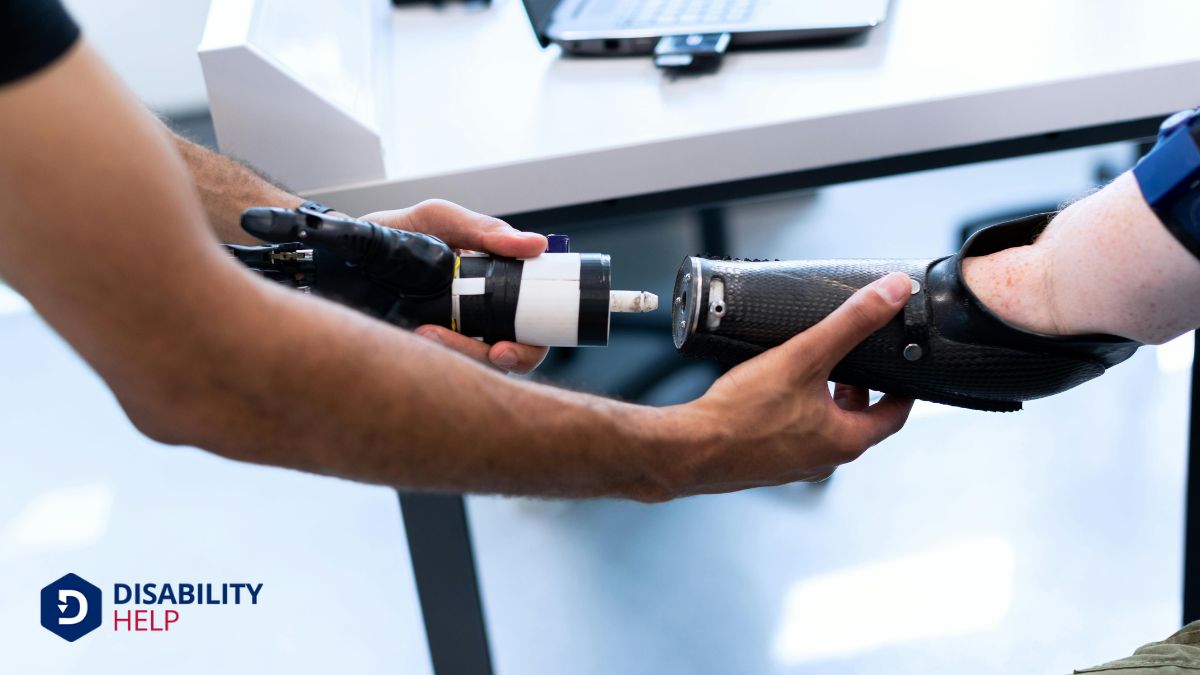
Physical injuries frequently form the basis for VA disability claims, as they can greatly impact a veteran's daily life and ability to work. When we consider the physical toll military service can take, it's clear why these injuries are significant. From sprains and fractures to more severe conditions like traumatic brain injuries (TBIs) and loss of limbs, these injuries don't just affect mobility—they alter our entire way of living.

Navigating a normal day becomes challenging when dealing with physical injuries. Tasks we once took for granted, such as walking, lifting, or even concentrating, might require significant effort or aid.

As a group, veterans face these challenges more than most, given the demanding nature of military duties and the environments in which we serve.

Understanding the process for claiming VA disability benefits is essential. It's not just about acknowledging our struggles; it's about securing the necessary support to improve our quality of life. Medical documentation and a clear connection between the injury and military service are key.

Chronic Pain Disorders

Chronic Pain Disorders for VA Disability

How often do we hear about veterans struggling with chronic pain long after their service has ended? Chronic pain disorders are a significant issue for many veterans, and they can drastically affect daily life. Whether resulting from injuries, overuse, or stress on the body during active duty, this type of pain can be persistent and debilitating. It's important to recognize that chronic pain isn't just about discomfort; it's a complex condition that can interfere with work, relationships, and overall well-being.

When we talk about chronic pain disorders, we're addressing conditions like fibromyalgia, arthritis, and chronic back pain, among others. These conditions may not always show up on traditional medical tests, yet they're very real and impactful.

For veterans, getting VA disability benefits for such disorders involves demonstrating that the pain is connected to their service. This means providing medical evidence and sometimes dealing with a complex claims process.

We understand that navigating the VA system can be challenging, but it's crucial to seek the benefits we deserve. Chronic pain shouldn't be a silent struggle. By addressing it head-on, we can find the support and resources needed to manage it effectively.

Mental Health Conditions

When considering the challenges veterans face, mental health conditions often stand out as some of the most important. We've seen firsthand how these invisible injuries can affect daily life, relationships, and overall well-being. Conditions like post-traumatic stress disorder (PTSD), depression, and anxiety are all too prevalent among veterans, and they can make adjusting to civilian life incredibly challenging.

It's important to recognize that these conditions are just as valid as physical injuries and deserve the same level of understanding and care.

The VA acknowledges the impact of mental health issues and offers disability benefits to those suffering. To qualify, we need a clear diagnosis from a medical professional and evidence connecting the condition to our military service. This connection is essential because it underscores that these challenges aren't a personal failing but rather a consequence of our service.

Navigating the VA system can be overwhelming, but it's necessary so we can receive the support we deserve. By understanding the process and advocating for ourselves or fellow veterans, we can guarantee that those affected by mental health conditions receive the care and benefits that can make a significant difference in their lives.

Traumatic Brain Injury

Why do traumatic brain injuries (TBIs) demand our attention when discussing veterans' health? TBIs are a significant concern because they can dramatically impact a veteran's daily life and long-term well-being. These injuries often occur during service due to blasts, falls, or vehicle accidents. The effects range from mild concussions to severe brain damage, and each case requires careful evaluation.

We need to understand that TBIs can lead to cognitive impairment, emotional changes, and physical symptoms. Veterans might experience memory loss, difficulty concentrating, or mood swings. Headaches, dizziness, and sleep disturbances are also common. These symptoms can interfere with their ability to work, socialize, and manage personal affairs, making it essential to address and support their needs.

The VA recognizes the importance of diagnosing and compensating for TBIs. Veterans can apply for disability benefits if they suspect a service-related TBI. The VA will assess the severity and impact of the injury, providing necessary support.

It's crucial for veterans to seek medical evaluation promptly if they experience symptoms. By doing so, they can access the resources and benefits designed to help them lead fulfilling lives despite these challenges. Let's prioritize understanding and addressing TBIs to improve veterans' health.

Hearing Loss and Tinnitus

Hearing Loss and Tinnitus Disability

Let's explore the common causes of hearing loss and how they can affect veterans.

We'll also guide you through the tinnitus diagnosis process, ensuring you understand each step involved.

Causes of Hearing Loss

Hearing loss and tinnitus are prevalent conditions among veterans, often linked to their military service. It's common knowledge that exposure to loud noises, such as gunfire, explosions, and heavy machinery, is frequent in military environments. These sounds can harm the delicate structures in the inner ear, leading to hearing loss over time. It's essential to recognize that even brief exposure to loud noises can have lasting effects on our hearing.

Additionally, some veterans may experience hearing loss due to other service-related factors. For example, head injuries or traumatic brain injuries (TBIs) can impact the auditory system, resulting in hearing difficulties. Certain medications given during service might also contribute to hearing loss as a side effect.

We must acknowledge that age-related hearing loss might complicate matters, but it's important to distinguish service-related causes from natural aging for accurate disability assessments.

Understanding these causes can help us advocate for the benefits and support veterans deserve. By acknowledging the specific challenges faced during military service, we can better address hearing loss and its impact on daily life. Let's continue to support veterans by ensuring they receive the care and compensation they need.

Tinnitus Diagnosis Process

The process of diagnosing tinnitus in veterans is vital for ensuring they receive the appropriate care and benefits. First, we need to understand that tinnitus involves the perception of noise or ringing in the ears when no external sound is present. It can be caused by various factors, including exposure to loud noises, which many veterans experience during service.

To diagnose tinnitus, we start with an in-depth evaluation that includes a detailed medical history and a thorough examination of the ears. We'll ask about the symptoms' onset, duration, and any potential triggers or related issues. Audiologists play a significant role in the diagnosis, conducting hearing tests to assess the extent of hearing loss and its impact.

Sometimes, additional tests like imaging or blood work might be necessary to rule out other conditions. It's important for us to communicate openly with healthcare providers about our symptoms, as this helps them form a more accurate diagnosis. Understanding the diagnostic process empowers us to participate actively in our care journey. It's a fundamental step towards getting the right treatment and, ultimately, improving our quality of life.

VA Disability Benefits Eligibility

As we grasp the diagnostic process for tinnitus, we can now explore how this diagnosis ties into eligibility for VA disability benefits. Understanding eligibility requirements is vital for accessing the support we deserve. The VA evaluates claims for tinnitus and hearing loss based on service connection, severity, and impact on daily life. We must demonstrate that our condition is linked to our military service, and this typically involves providing medical evidence and service records.

When considering tinnitus and hearing loss for VA disability benefits, keep in mind:

  • Service Connection: Establishing a direct link between our military service and our condition is essential.
  • Medical Evidence: Providing thorough medical records and supporting documentation strengthens our claim.
  • Disability Rating: The VA assigns a rating based on the severity of our condition, which affects compensation.
  • Hearing Tests: Audiological evaluations are pivotal to determining the extent of hearing loss.
  • Appeals Process: If our initial claim is denied, we have the right to appeal and present additional evidence.

Respiratory Disorders

Breathing difficulties can greatly impact the quality of life for veterans, and the VA recognizes the significance of compensating for service-related respiratory disorders. When we discuss respiratory disorders, we're referring to conditions like asthma, chronic obstructive pulmonary disease (COPD), and lung diseases that might arise from exposure to hazardous substances during service. Understanding how these conditions can affect us and how we might be eligible for VA disability benefits is vital.

First, let's consider asthma. Many of us might've developed this condition due to environmental factors during deployment. The VA assesses asthma based on its severity and frequency of symptoms.

Similarly, COPD, which includes chronic bronchitis and emphysema, can result from prolonged exposure to harmful chemicals or smoke. The VA evaluates COPD based on pulmonary function tests and the impact on daily activities.

We should also be mindful of conditions like pulmonary fibrosis or lung cancer, potentially linked to specific exposures like Agent Orange or burn pits. Documenting our service-related exposure and medical history is important for a successful disability claim. By understanding these conditions and their implications, we can better navigate the VA disability process.

Cardiovascular Issues

Cardiovascular Issues lead to Disability

In exploring cardiovascular issues, we'll focus on common disabilities like hypertension and ischemic heart disease that can affect veterans. Understanding the VA's rating criteria is essential for determining eligibility and potential benefits.

Let's examine how these criteria are applied to cardiovascular conditions to guarantee we receive the support we deserve.

Common Cardiovascular Disabilities

Cardiovascular disabilities are among the most common conditions affecting veterans, and it's important to understand how they might qualify for VA disability benefits. Many of us have faced heart-related health issues during or after our service, and recognizing these conditions is the first step toward seeking the support we deserve.

Common cardiovascular disabilities that may qualify for VA benefits include:

  • Coronary Artery Disease (CAD): A condition where the arteries supplying blood to the heart become hardened or narrowed, leading to chest pain or heart attacks.
  • Hypertension: High blood pressure can lead to severe complications like heart disease, stroke, and kidney failure if left untreated.
  • Heart Valve Disorders: These occur when one or more of the heart's valves don't work properly, affecting blood flow through the heart.
  • Congestive Heart Failure (CHF): This chronic condition means the heart doesn't pump blood as well as it should, leading to fatigue and shortness of breath.
  • Arrhythmias: Abnormal heart rhythms that can lead to various symptoms, including dizziness, shortness of breath, or even fainting.

Understanding these conditions helps us take the necessary steps to seek VA benefits, ensuring we get the care and support we need.

VA Rating Criteria Explained

When it comes to grasping the VA rating criteria for cardiovascular issues, understanding the evaluation process is crucial for maximizing our benefits. The VA utilizes a schedule of ratings to determine the severity of our conditions. Each cardiovascular issue has specific criteria, measured in percentages, which reflect how much our condition hampers our daily life and work capabilities.

First and foremost, the VA considers factors like heart function, blood pressure levels, and symptoms such as breathlessness or chest discomfort. They frequently employ diagnostic tests, including echocardiograms and stress tests, to assess the seriousness of our condition.

For example, conditions like coronary artery disease or hypertension are rated based on the impact on our heart's workload and any resulting symptoms.

The ratings can range from 0% to 100%, with higher percentages indicating more severe impairment. It's important to provide thorough medical documentation and personal statements that detail how our condition affects our daily activities.

By doing so, we make certain the VA has a complete picture of our health, which can greatly impact the rating we receive.

Grasping these ratings helps us advocate for ourselves and secure the benefits we deserve.

Musculoskeletal Conditions

Although musculoskeletal conditions can greatly impact daily life, understanding how they relate to VA disability claims is vital. These conditions often affect our bones, joints, and muscles, potentially leading to mobility issues and chronic pain. When applying for VA disability, recognizing the connection between our military service and these conditions is crucial. The VA will assess their severity and how they interfere with daily activities to determine eligibility and compensation.

To navigate this process, we should consider the following:

  • Service Connection: Demonstrating a direct link between the condition and military service is paramount.
  • Medical Evidence: Providing thorough medical records can substantiate the claim, highlighting the condition's impact.
  • Range of Motion: Evaluations often focus on how the condition limits our range of motion and mobility.
  • Chronic Nature: Evidence of ongoing treatment and persistence of symptoms strengthens the case.
  • Secondary Conditions: Sometimes, musculoskeletal issues lead to other health problems, which can also be covered.

Autoimmune Disorders

Autoimmune Disorders Lead to Disability

Autoimmune disorders can greatly impact our daily lives, and it's important to understand which conditions are covered by VA disability benefits.

We'll explore common autoimmune conditions like lupus and rheumatoid arthritis and what makes someone eligible for these benefits.

Common Autoimmune Conditions Covered

Exploring the complexities of VA disability benefits can be challenging, but understanding the common autoimmune conditions covered can help streamline the process. Autoimmune disorders occur when the immune system mistakenly attacks healthy cells, and veterans may be eligible for benefits if they suffer from such conditions due to their service. Our goal here is to provide clarity on which autoimmune disorders are commonly recognized by the VA.

To make things easier, here's a list of some common autoimmune conditions that are often covered:

  • Rheumatoid Arthritis: This condition causes painful swelling and can lead to joint deformities.
  • Systemic Lupus Erythematosus (SLE): Often impacting multiple organs, SLE can cause fatigue, joint pain, and skin rashes.
  • Multiple Sclerosis (MS): Affects the brain and spinal cord, leading to a range of neurological symptoms.
  • Psoriasis and Psoriatic Arthritis: Skin issues paired with joint pain, often causing discomfort and disability.
  • Graves' Disease: An autoimmune disorder affecting the thyroid, leading to symptoms like weight loss and anxiety.

Eligibility Criteria for Benefits

Understanding the eligibility criteria for VA disability benefits related to autoimmune disorders is essential for veterans seeking support.

First, we need to establish a connection between autoimmune disorders and our military service. This connection, known as a service connection, requires evidence showing that the disorder was caused or aggravated by our time in service. Medical records, service documents, and, if necessary, expert opinions can help prove this link.

Once we've established a service connection, the next step is to demonstrate the current impact of the autoimmune disorder on our daily lives. The VA requires that our condition be diagnosed by a healthcare professional and that it results in measurable impairment. This might involve submitting medical records or undergoing a VA medical examination.

Additionally, we must confirm our application is complete and submitted within the required deadlines. Missing documentation or late submissions can delay the process. It's important to stay organized and proactive.

Infectious Diseases

Infectious Diseases

Amidst the complexities of determining VA disability benefits, infectious diseases pose unique challenges that warrant our attention. These conditions can have a profound effect on our lives, and understanding the eligibility criteria can help us navigate the process more effectively. Infectious diseases range from those acquired during service to those that appear later due to exposure. The VA recognizes various infectious diseases that can qualify for disability benefits, including but not limited to malaria, tuberculosis, and chronic hepatitis.

To better grasp this topic, let's consider some critical points:

  • Service Connection: It's crucial to establish a direct link between the disease and our military service.
  • Compensation Ratings: Different diseases have varying compensation ratings based on severity and impact on daily life.
  • Medical Evidence: Thorough medical records and expert opinions strengthen our claims.
  • Presumptive Conditions: Some conditions are presumed to be service-related, especially if they appear within a specific timeframe after discharge.
  • Appeals Process: If initially denied, we can appeal the decision, often with the assistance of a veterans service organization.

Conclusion

To sum up, we've explored a variety of conditions that can qualify for VA disability benefits. From physical injuries and chronic pain disorders to mental health issues and traumatic brain injuries, veterans face a wide range of challenges. Hearing loss, cardiovascular problems, musculoskeletal conditions, autoimmune disorders, and infectious diseases also play significant roles. Understanding these conditions empowers us to seek the support and benefits we deserve. Let's continue advocating for ourselves and our fellow veterans.

The post What Conditions Can You Get VA Disability For? appeared first on Resources on Disability Assistance: Your Rights and Benefits.


source https://www.disabilityhelp.org/what-conditions-can-you-get-va-disability-for/

Monday, October 28, 2024

How to Get the Most VA Disability?

To get the most VA disability benefits, we need to understand the rating system, which ranges from 0% to 100% in 10% steps. Gathering extensive medical evidence, including specialist opinions, is vital. Filing a thorough and accurate claim with detailed documentation boosts our chances. If unhappy with the initial rating, we should appeal promptly with additional evidence. Connecting with Veteran Service Organizations provides expert guidance and support. Staying informed about policy changes and attending local events can also enhance our understanding and advocacy. There's more to explore about maximizing our benefits.

Key Takeaways

  • Collect comprehensive medical records and specialist opinions to strengthen your claim.
  • Ensure complete and accurate filing of claims with detailed medical evidence.
  • Appeal initial ratings if dissatisfied by promptly submitting a Notice of Disagreement.
  • Collaborate with Veteran Service Organizations for expert guidance and support.
  • Stay informed on VA policy changes through official websites and veteran networks.

Understand VA Disability Ratings

Understanding VA disability ratings is pivotal for maximizing your benefits. When we delve into the VA's disability rating system, it can seem complex, but it's crucial for determining the compensation you're entitled to. Ratings range from 0% to 100% in 10% increments, reflecting the severity of your service-connected conditions. A higher rating means greater compensation, so it's important we fully grasp how these ratings work.

Let's break it down: the VA evaluates how your disabilities impact your overall ability to function. This involves examining medical records, service history, and the extent to which your conditions impair daily life and work. The VA then assigns a percentage rating that directly influences your monthly benefit amount.

We should also know that multiple disabilities are combined using a specific formula, not simply added together.

For instance, if you have two conditions rated at 30% and 20%, they don't add up to 50%. Instead, the VA uses a "whole person" approach, which can be a bit tricky but is important to understand for accurate ratings.

Gather Comprehensive Medical Evidence

Gather Comprehensive Medical Evidence for VA Disability

Let's focus on gathering detailed medical evidence to strengthen our VA disability claim.

We should document every medical visit meticulously and make sure we collect opinions from specialists who can provide in-depth insights into our condition.

This thorough documentation will help us present a clear and compelling case.

Document Every Medical Visit

When it comes to maximizing VA disability benefits, our thorough documentation of every medical visit is vital. We need to make sure that each appointment, test, and treatment is accurately recorded. This not only provides a clear history of our medical journey but also strengthens our claims by showcasing continuous and consistent medical care.

It's important to maintain a detailed record, capturing dates, times, the purpose of the visit, and any diagnoses or treatments received.

We should also request copies of our medical records from healthcare providers. Having these documents on hand allows us to verify that everything is accurately reflected and helps prevent any potential oversights.

Additionally, keeping a personal log of symptoms and how they impact our daily lives can offer invaluable support to our claims when medical records alone don't convey the whole picture.

Collect Specialist Opinions

Securing detailed medical evidence is pivotal in maximizing our VA disability benefits. Gathering extensive medical documentation isn't just about quantity but quality. Consulting experts can provide us with in-depth insights into our conditions, which general practitioners might overlook. Their expert opinions can highlight the severity and specific impact of our conditions on daily life, which is essential for our claim.

By seeking opinions from specialists, such as neurologists for neurological disorders or orthopedic surgeons for musculoskeletal issues, we're adding weight to our claim. These professionals can offer precise diagnoses and prognoses that are often more convincing than general evaluations. Their detailed reports can underscore how our conditions are linked to our military service, which is crucial for the VA to establish service connections.

Let's make sure all specialist evaluations are thorough and well-documented. We should request detailed reports and ask them to include all relevant diagnostic tests and their results. When specialists articulate how our conditions limit our abilities or require ongoing treatment, it strengthens our case.

File a Complete and Accurate Claim

File a Complete and Accurate Disability Claim

When we file our VA disability claim, it's important that we gather all essential medical documentation to support our case. We need to confirm every detail in our claim is thorough and accurate, covering all aspects of our conditions. By taking these steps, we'll increase our chances of receiving the benefits we deserve.

Gather Essential Medical Documentation

A veteran's medical history is a crucial component of a successful VA disability claim, and gathering necessary medical documentation is where we should start.

First, we need to compile all relevant medical records, including those from VA facilities and private healthcare providers. These records should detail the diagnosis, treatment, and progression of the disability. It's important to guarantee everything is up to date to accurately reflect the current state of the condition.

Next, let's include any service medical records that document injuries or illnesses incurred during active duty. These records establish a direct connection between military service and disability, a vital part of our claim. We shouldn't overlook obtaining statements from treating physicians, as their professional opinions can provide strong support.

We must also gather any test results, imaging studies, and lab reports that demonstrate the severity of the condition. These documents offer objective evidence, strengthening our case. Additionally, buddy statements from fellow service members can corroborate our experiences and symptoms.

In essence, a well-organized collection of medical documentation lays the foundation for a compelling VA disability claim. By methodically gathering these materials, we're positioning ourselves for the best chance of success.

Ensure Comprehensive Claim Details

With our medical documentation in order, let's focus on making sure our VA disability claim is thorough and accurate. It's crucial to provide details that clearly convey our situation.

First, we should double-check that all our information is complete and consistent across all documents. Providing detailed information can make a significant difference in the outcome of our claim.

A thorough and accurate claim includes:

  • Complete personal information: Verify names, Social Security numbers, and contact details are correct.
  • Detailed service history: List all pertinent military service dates, locations, and roles.
  • Specific medical conditions: Clearly describe each condition, including how it's related to our service.
  • Supporting evidence: Attach all medical records, test results, and doctors' statements that support our claims.
  • Impact on daily life: Explain how these conditions restrict our ability to work or perform everyday activities.

Appeal for a Higher Rating

Frequently, veterans find themselves dissatisfied with the initial disability rating assigned by the Department of Veterans Affairs (VA), which can impact the benefits they receive. If we're in this situation, it's important to know that we have the right to appeal for a higher rating. The first step is to file a Notice of Disagreement (NOD) with the VA. By doing this, we officially express our dissatisfaction and begin the appeals process.

When preparing our appeal, it's crucial to gather additional evidence that might support our claim. This could include updated medical records, new statements from medical professionals, or even personal testimonials that detail how our disability impacts daily life. Clarity and thoroughness in our documentation can greatly strengthen our case.

We should also be aware of the deadlines associated with the appeals process. Filing a NOD must occur within one year from the date we receive the VA's decision. Missing this deadline could mean losing our right to appeal, so timely action is important. By understanding and actively engaging in the appeals process, we increase our chances of obtaining a more accurate and favorable disability rating.

Utilize Veteran Service Organizations

Utilize Veteran Service Organizations for Disability

Veteran service organizations (VSOs) can be invaluable allies in understanding the complexities of VA disability claims. As veterans, we're aware that maneuvering the VA system can sometimes feel overwhelming. That's where VSOs come in. They offer guidance, support, and expertise to help us effectively manage our claims and secure the benefits we deserve. These organizations, often led by veterans, have a deep understanding of the process and can make a significant impact on our journey.

Here's how we can benefit from collaborating with a VSO:

  • Expert Direction: VSOs have trained representatives who grasp the intricacies of VA claims.
  • Assistance with Documentation: They help us complete and organize required paperwork, making sure nothing is missed.
  • Advocacy: VSOs advocate on our behalf, presenting our case to the VA in the most impactful way possible.
  • Support Network: Being part of a VSO connects us with a community of veterans who share similar experiences.
  • Regular Updates: They keep us informed about the status of our claims and any alterations in the process.

Stay Informed on Policy Changes

Staying informed about policy changes is crucial for maximizing our VA disability benefits. Policies can shift frequently, impacting how we receive benefits and what we're eligible for. By staying updated, we make sure we're taking full advantage of what's available. We don't want to miss out on key opportunities or adjustments that could enhance our benefits.

To stay informed, let's make it a habit to check the Department of Veterans Affairs website regularly. They post updates on policies that might influence our benefits. Additionally, signing up for newsletters from veteran organizations is a great way to receive timely information directly to our inboxes. These organizations often break down complex policy changes into understandable terms.

We should also consider joining online forums or social media groups focused on veteran affairs. These communities can be invaluable for sharing insights and experiences with fellow veterans. By engaging in these discussions, we often gain a deeper understanding of how changes might impact us personally.

Let's not forget to attend local veteran service events or workshops. These events provide direct access to knowledgeable professionals who can clarify any uncertainties we might have. Staying informed empowers us to advocate effectively for our own benefit.

Conclusion

In maneuvering the VA disability process, we must work together to guarantee we're getting the support we deserve. By understanding VA ratings, gathering comprehensive medical evidence, filing precise claims, and appealing when necessary, we can maximize our benefits. Let's also rely on Veteran Service Organizations for guidance and stay updated on policy changes. Remember, we're not alone in this journey, and with persistence and the right resources, we can achieve the best possible outcome.

The post How to Get the Most VA Disability? appeared first on Resources on Disability Assistance: Your Rights and Benefits.


source https://www.disabilityhelp.org/how-to-get-the-most-va-disability/

What Are the Three Types of Veterans?

When we think of veterans, we typically categorize them into three types: wartime veterans, peacetime veterans, and those in the National Guard and Reserves. Wartime veterans serve during conflicts, facing immense hardships and securing our freedoms. Peacetime veterans focus on maintaining military readiness and logistical support, often without the recognition wartime vets receive. National Guard and Reserves members balance civilian life with military duties, contributing to missions both domestically and abroad. Each group plays an important role in our nation's defense and community service. There's more to explore about the unique experiences and contributions of these veterans.

Key Takeaways

  • Wartime veterans served during recognized conflict periods like World War II and the Vietnam War.
  • Peacetime veterans served during non-wartime periods, focusing on training and readiness.
  • National Guard and Reserves veterans balance civilian life and military duties, providing crucial support and readiness.
  • Wartime veterans face unique sacrifices and hardships during active conflict periods.
  • Peacetime veterans ensure military effectiveness through training, logistical support, and humanitarian missions.

Wartime Veterans Overview

Wartime veterans, those who've served in active duty during periods of conflict, have played pivotal roles in shaping history and safeguarding nations. Their experiences on battlefields and their sacrifices have secured the protection of our freedoms and values. Together, we need to recognize the complexity of their service and the profound impact it has on their lives, as well as on the communities and nations they've defended.

When we talk about wartime veterans, we consider the unique challenges they face both during and after their service. They often endure physical and emotional hardships that can persist long after their active duty ends. Their resilience is remarkable, yet they may need support from us to reintegrate successfully into civilian life.

Defining Wartime Service

Defining Wartime Service of Veterans

As we explore what defines wartime service, it's vital to clarify the eligibility criteria that distinguish wartime veterans.

We'll look at the specific periods recognized by the government, which are essential for determining who qualifies for certain benefits.

Understanding these elements helps us appreciate the service and sacrifices of those who've served during times of conflict.

Eligibility Criteria Explained

Understanding the eligibility criteria for defining wartime service is essential for veterans seeking benefits and recognition. When we talk about these criteria, we're referring to specific guidelines that help identify who qualifies as a wartime veteran. This distinction matters because certain benefits and programs are available exclusively to those who served during designated wartime periods.

First, let's consider the duration of service. Generally, a minimum length of active duty is required, often 90 days, with at least one day during a recognized period of conflict. However, there are exceptions for those discharged due to service-related disabilities.

Next, we must focus on the type of discharge. To be eligible for wartime benefits, veterans need an honorable or general discharge. This status confirms that the service was completed satisfactorily according to military standards.

Lastly, we should address active duty versus training. Service members who only served active duty for training purposes may not qualify as wartime veterans. Full-time active service is typically a prerequisite.

Recognized Wartime Periods

Recognizing the periods that qualify as wartime is essential for determining eligibility for veterans' benefits. As we navigate this complex topic, it's important to understand the specific timeframes recognized by the U.S. Department of Veterans Affairs (VA). These periods are defined by law and can notably impact the benefits available to veterans. By clearly knowing these periods, we can better appreciate the service of those who served during these critical times.

The VA has outlined several key wartime periods, including:

  • World War II: Spanning from December 7, 1941, to December 31, 1946, this period marks global conflict and extensive U.S. involvement.
  • Vietnam War: Recognized from February 28, 1961, to May 7, 1975, for veterans who served in the Republic of Vietnam and from August 5, 1964, to May 7, 1975, for all other veterans.
  • Gulf War: Beginning on August 2, 1990, this period is still ongoing, covering operations such as Desert Shield and Desert Storm.

Peacetime Veterans Explained

What exactly defines a peacetime veteran? In simple terms, a peacetime veteran is someone who served in the military during periods not officially recognized as wartime. These periods occur between major conflicts, and the individuals who serve during these times play pivotal roles in maintaining military readiness, supporting international peacekeeping efforts, and ensuring the security of our nation. They may not have engaged in active combat, but their contributions are crucial to the overall mission and preparedness of the armed forces.

When we think about peacetime service, we should recognize the dedication required to maintain high standards without the urgency of an ongoing war. Peacetime veterans often focus on training, logistical support, and strategic planning. They might participate in joint exercises with allied nations, engage in humanitarian missions, or help develop new technologies and strategies that will benefit future military operations.

It's also important to understand that peacetime veterans face unique challenges. Their service can sometimes go unrecognized or undervalued compared to veterans of wartime. Yet, their commitment to duty and country remains unwavering. By acknowledging their service, we can better appreciate the diverse experiences and essential roles all veterans play, regardless of the era they served in.

Characteristics of Peacetime Service

Characteristics of Peacetime Service of Veterans

While we've explored who peacetime veterans are, let's now focus on what characterizes their service. Peacetime military service often centers around preparation, training, and support roles rather than active combat. This type of service provides a unique set of experiences and responsibilities. It contributes significantly to maintaining the readiness and strength of our armed forces, even when there's no direct conflict.

During peacetime, service members typically engage in:

  • Training and Skill Development: They focus on honing their skills and staying prepared for any future conflicts. This involves regular exercises, simulations, and continuous education.
  • Operational Support: Many service members work in roles that provide essential logistical and administrative support, ensuring smooth military operations.
  • Community Engagement and Humanitarian Missions: They often participate in community outreach and international humanitarian efforts, building relationships and providing aid where needed.

These characteristics highlight the importance of peacetime service as a foundation for military effectiveness. It allows service members to develop professionally and personally, contributing to a well-rounded military force. By understanding these elements, we can better appreciate the critical role peacetime veterans play in our nation's security and global presence.

National Guard and Reserves Role

The National Guard and Reserves play an important role in supporting both domestic and international missions. As members of these forces, we often find ourselves bridging the gap between civilian life and military duties. We train regularly to make sure we're ready when called upon, whether it's responding to natural disasters at home or deploying overseas to support active-duty forces.

Our role isn't just limited to emergencies. We also contribute to ongoing operations that require additional manpower and expertise. Being part of the National Guard or Reserves means we've unique skills that can be quickly mobilized to address a variety of situations, from humanitarian aid to peacekeeping efforts. We bring a versatile and adaptable approach, enhancing the capabilities of our military.

While we maintain civilian careers, our dedication to service ensures we're prepared for any challenge. This dual role allows us to have a broader perspective, understanding both the military and civilian implications of our actions. We embody the spirit of service and readiness, always prepared to serve our nation when needed.

This balance of civilian and military responsibilities makes our contribution invaluable, supporting the overall mission of our armed forces.

Service Commitments and Duties

When we discuss veterans, it's crucial to take into account the length of service and the duties they were given during their time in the military. These obligations can vary greatly, molding their experiences and the expertise they've acquired.

Let's delve into how these factors impact the journeys veterans embark on both during and after their service.

Length of Service

Veterans' service commitments and duties vary noticeably, reflecting their diverse roles and responsibilities during their military careers. Understanding the length of service helps us appreciate the dedication required in these roles. Military service can range from a few years to several decades, and each length of commitment brings unique experiences and challenges.

When we think about the length of service, there are several key aspects worth noting:

  • Enlistment Contracts: Initial enlistment contracts typically range from two to six years, depending on the branch and type of service. This period can shape a young service member's life profoundly.
  • Re-enlistment: Many veterans choose to extend their service beyond their initial contract. Re-enlistment can lead to a career spanning 20 years or more, which is often the minimum for full retirement benefits.
  • Extended Service: Some veterans serve even longer, opting for careers that exceed 30 years. These individuals often hold senior leadership positions and contribute significantly to their branches.

Each of these service lengths offers a different perspective on military life. Whether short-term or long-term, the commitment demanded of our veterans is significant, and their service deserves recognition and respect. Understanding these varying commitments helps us honor their sacrifices.

Assigned Responsibilities

Assigned Responsibilities of Veterans

Our exploration of military service isn't complete without examining the responsibilities veterans shoulder during their time in uniform. Each veteran's journey starts with a set of assigned duties that shape their military career and personal growth. These responsibilities vary widely, depending on the branch of service, the specific role, and the mission at hand. From the onset, there's a commitment to uphold the values and standards of the military, which demands discipline, dedication, and resilience.

We might think of responsibilities as job roles, but they're more than that. They encompass a range of tasks, from the mundane to the highly specialized. Whether it's maintaining equipment, strategizing missions, or providing medical care, each duty is essential. Veterans often operate under challenging conditions, requiring them to adapt quickly and make decisions that can impact their entire unit.

Additionally, leadership roles come with their own set of challenges. As veterans advance, they're tasked with mentoring others, managing resources, and ensuring mission success. These responsibilities don't just end with service; they shape veterans' lives long after their military careers are over, influencing their contributions to civilian life and communities.

Benefits for Wartime Veterans

For many, understanding the range of benefits available to wartime veterans can be a challenging task, but it's crucial for ensuring they receive the support they've earned. As we navigate through the options, we recognize that these benefits are more than just a thank-you—they're an essential part of honoring their service and sacrifice. Let's explore some of the key benefits wartime veterans can access.

  • Disability Compensation: Veterans who've incurred injuries or illnesses during their service may be eligible for tax-free monthly payments. This compensation helps ease financial burdens related to service-connected conditions.
  • Pension Programs: Wartime veterans with limited income and who are 65 or older, or those who are permanently and totally disabled, might qualify for a pension to assist with living expenses.
  • Healthcare Services: Through the Department of Veterans Affairs, eligible veterans can receive extensive healthcare services, ensuring they've access to necessary medical care.

Support for Peacetime Veterans

As we consider how to support peacetime veterans, we should focus on financial assistance programs that provide stability.

Educational benefits offer opportunities for personal and professional growth, helping veterans shift smoothly into civilian life.

We must also guarantee they've access to healthcare initiatives that address their unique needs and challenges.

Financial Assistance Programs

Many peacetime veterans may not realize the financial assistance programs available to them, providing essential support as they shift back into civilian life. These programs are designed to ease the adjustment and guarantee veterans can maintain a stable and secure lifestyle. Let's explore some of the key financial assistance options that can benefit us.

  • Veterans Pension: This program offers monthly payments to low-income veterans who served during specific periods. It's based on financial need and age or disability status, helping guarantee we have a safety net.
  • VA Home Loan Programs: These loans provide favorable terms to help us purchase, build, or refinance a home. With benefits like no down payment and competitive interest rates, homeownership becomes more accessible.
  • Disability Compensation: If we have a service-connected disability, this tax-free benefit provides monthly payments, helping offset the financial impact of our injuries.

Understanding these programs is essential for navigating the complexities of civilian life. They offer significant financial support and peace of mind, ensuring that peacetime veterans can focus on building a fulfilling future. By leveraging these resources, we can better manage our financial well-being and secure a stable life post-service.

Educational Benefits Opportunities

Educational Benefits Opportunities of Veterans

Making the change from military to civilian life can be challenging, but educational benefits offer a powerful tool for personal and professional growth. For peacetime veterans, these benefits can help us gain new skills, transition into meaningful careers, and enhance our knowledge.

The GI Bill, for instance, is a valuable resource that covers tuition and fees, provides a housing allowance, and even offers funds for books and supplies. This support can make a significant difference in our pursuit of higher education or vocational training.

We might wonder how to access these benefits and what steps to take. First, identifying the right program that aligns with our career goals is essential. Whether it's enrolling in a traditional college, attending a technical school, or participating in apprenticeships, the options are vast.

Additionally, the Post-9/11 GI Bill provides an excellent opportunity for those who served after September 10, 2001, ensuring we can start on new paths without financial burdens.

Healthcare Access Initiatives

While educational benefits play a significant role in our journey from military to civilian life, healthcare access is equally important for our well-being. As peacetime veterans, we might face unique challenges that require specific healthcare initiatives. Understanding these options helps us make informed decisions about our health and future.

Healthcare access for peacetime veterans includes several initiatives designed to support our needs:

  • Veterans Health Administration (VHA) Services: The VHA provides a broad spectrum of services, from preventive care to mental health support, ensuring we've access to extensive healthcare.
  • Community Care Programs: If we live far from a VA facility or need specialized services not available there, community care programs allow us to receive treatment from local healthcare providers.
  • Telehealth Services: For those of us in remote areas, telehealth provides a crucial link to healthcare professionals, offering consultations and follow-ups without the need for travel.

National Guard and Reserves Benefits

In addition to their significant role in supporting active duty forces, members of the National Guard and Reserves are entitled to a range of benefits that recognize their service and commitment. These benefits are designed to assist them both during and after their service. Let's explore some key benefits they receive.

First, when it comes to healthcare, they can access TRICARE Reserve Select, providing coverage similar to active duty members at a reduced cost.

Educational benefits are also substantial. Through the Montgomery GI Bill-Selected Reserve and the Post-9/11 GI Bill, they can receive financial assistance for tuition, fees, and even housing while pursuing higher education.

Moreover, retirement benefits are available to those who meet specific criteria. Although the retirement system differs slightly from that of active duty members, it still provides a valuable source of income after completing their service.

Additionally, National Guard and Reserve members might qualify for VA home loans, offering favorable terms to purchase, build, or refinance homes.

As we consider these benefits, it's vital to appreciate how they support the shift back to civilian life. By understanding these entitlements, we can better support the men and women who serve our nation.

Recognizing Diverse Veteran Experiences

Recognizing Diverse Veteran Experiences

Veterans' experiences are as varied as the individuals themselves, shaped by their unique service backgrounds and personal journeys. Each veteran's story contributes to a broader understanding of military service and its aftermath. As we recognize these diverse experiences, it's crucial to ponder the different aspects that define them.

  • Branch of Service: Veterans come from various branches, each with distinct missions and cultures, including the Army, Navy, Air Force, Marines, and Coast Guard. These differences influence their roles and experiences.
  • Length and Nature of Service: Some veterans served for a few years, while others dedicated decades. Their service might've included combat tours, peacekeeping missions, or support roles, each leaving a unique imprint.
  • Post-Service Life: Shifting to civilian life varies greatly. Some veterans pursue further education or new careers, while others face challenges like adjusting to civilian norms or managing service-related health issues.

Conclusion

In understanding the diverse experiences of veterans, we see the distinct paths of wartime, peacetime, and National Guard and Reserves service members. Each group contributes uniquely to our nation's security, facing different challenges and receiving tailored benefits. Let's honor these diverse experiences by advocating for policies that support all veterans. Together, we can guarantee that every veteran, regardless of their service type, receives the recognition and support they've earned. We owe them our deepest gratitude.

The post What Are the Three Types of Veterans? appeared first on Resources on Disability Assistance: Your Rights and Benefits.


source https://www.disabilityhelp.org/what-are-the-three-types-of-veterans/

Where Is My Social Security Check? How to Track It and Fix Delays in 2026

If you are asking where your Social Security check is, the answer depends on three things: your birth date, the type of benefit you receive...