Disability Help is a platform that explores society’s response to the needs of people with disability. We aim to write on topics that will help people connect and better understand the struggles and triumphs of handicaps worldwide. We turn their everyday lives into stories that guide readers to comprehend better how these wonderful people strive every day.
According to data from the American Journal of Public Health, 12% of people in the US have “significant disabilities.” In general, these Americans have poorer overall health than the population at large and are more susceptible to preventable health problems.
In part, this is because those with disabilities are more likely to report reduced access to adequate healthcare. Without the ability to regularly connect with primary care physicians and medical specialists, disabled individuals may struggle to get the care they need when they need it.
Electronic health records (EHRs) can help reduce treatment disparity and improve the quality of care for disabled individuals. Here’s what that looks like in practice.
The Evolution of EHRs
Electronic health records were introduced to streamline patient access to medical data. Before the adoption of EHRs, paper was the primary medium for recording this data. This created challenges for both providers and patients.
For providers such as primary care physicians or specialists, paper processes made onboarding new patients challenging — if previous care providers didn’t provide comprehensive records, medical professionals could struggle to establish a treatment history.
For patients, this lack of portability meant more time and effort spent relaying their medical history and assuring doctors that test X had already been completed or drug Y had already been tried.
To improve accessibility and enhance portability, the HITECH Act of 2009 introduced financial incentives for providers to adopt secure EHRs. This was followed in 2016 by the 21st Century Cures Act, which mandated the use of secure electronic health records.
Adoption is now commonplace, and standards are in place that specify what types of data must be collected, how they must be stored and who can request access. Disability documentation in EHRs, however, remains recommended but not required. Providers are encouraged to ask patients questions about their disabilities and record the answers in EHRs.
How Electronic Records Address Three Common Care Challenges
Effective use of EHRs that contain disability data can help address three common care challenges:
Challenge #1: Limited Communication
One of the biggest challenges in disability care is consistent communication across healthcare providers. For example, if a patient moves to a new city or experiences a medical emergency while traveling, it may be difficult for local clinics or ERs to reach primary care providers, especially if there is a time difference.
EHRs help solve this problem by providing a standardized format for medical data. Instead of leaving voice messages or sending emails, healthcare professionals can access EHRs to see everything from the most recent treatment notes to detailed histories of doctor and specialist visits.
This is especially helpful if patients aren’t in a position to advocate for themselves because they suffered an injury or experienced an episode that inhibits their ability to communicate.
Challenge #2: Generic Treatment Plans
The complexity of disability care requires targeted treatment plans. In part, this is because primary disabilities often present alongside multiple secondary concerns. This can lead to challenges for medical professionals in pinpointing symptoms, interdependencies, and root causes.
Consider an individual with chronic lung disease who contracts a moderate cold. For someone without this condition, treatment is relatively straightforward. For a patient with impaired lung function, however, solving for the cold means understanding the relationship between it and the underlying condition.
EHRs equip doctors with the data they need to create personalized treatment plans.
Challenge #3: Service Access
Access to medical services may be limited for disabled individuals, especially if they live in remote areas or require substantial assistance to travel even short distances. EHR access allows patients to take more direct control over their healthcare and access alternative service methods, such as virtual appointments on in-home healthcare visits.
These records also give more patients an improved ability to advocate for their needs. Instead of relying on personal documentation and providing paper records, EHRs provide a consistent, comprehensive medical history.
Delivering Equality and Equity With EHRs
Electronic health records create the framework for equality by delivering a consistent experience for all patients. By providing access to medical records in standardized, interoperable formats, medical organizations level the field — all patients have access to their own records as required.
Using a comprehensive EHR platform, meanwhile, sets the stage for equity. With access to medical history across clinics, hospitals, and specialists, disabled individuals are better prepared to advocate for treatment that addresses their specific needs, delivers consistent results, and improves their overall quality of life.
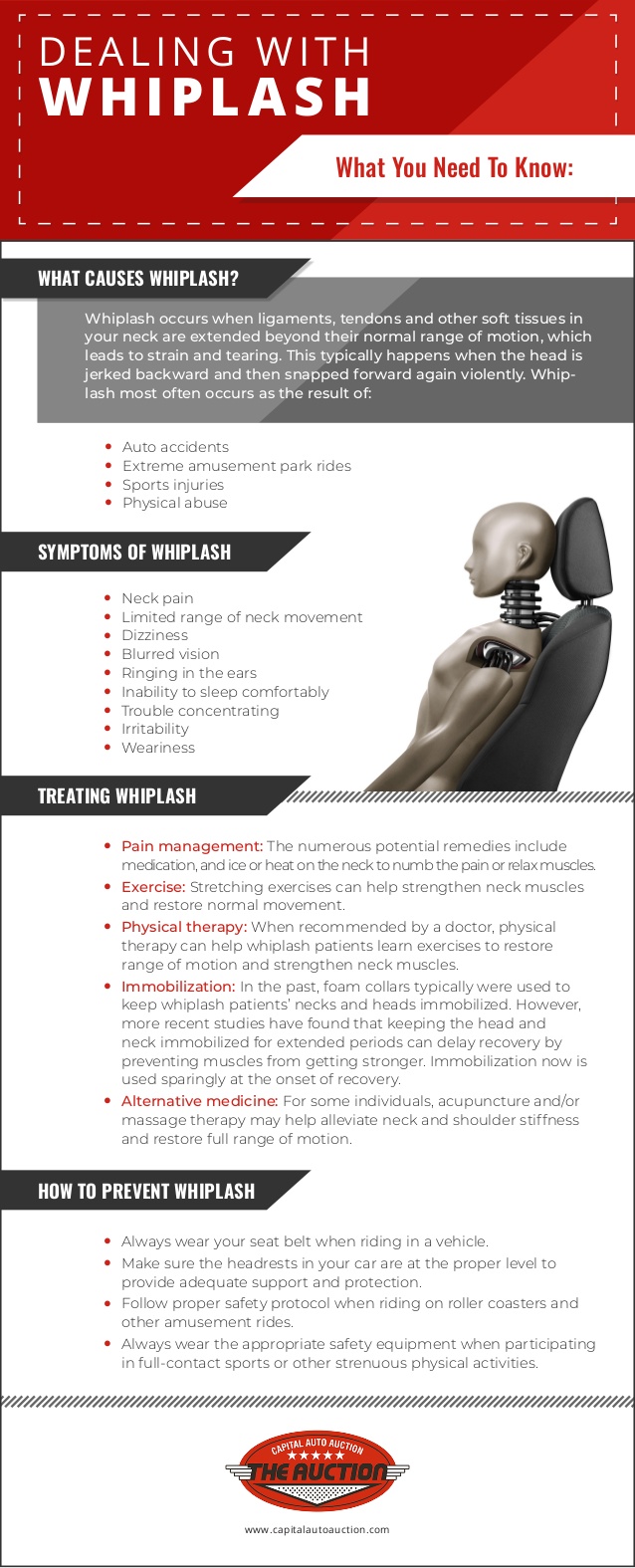
Car accidents can be profoundly disruptive events, especially for individuals with disabilities who may already face unique physical, emotional, and logistical challenges. Whiplash is one of the most common injuries resulting from car accidents. Though often perceived as a simple neck strain, whiplash can have far-reaching effects that disrupt daily life, reduce mobility, and cause persistent pain. For those with disabilities, these effects can be even more pronounced, making a tailored recovery approach essential.
Understanding Whiplash
Whiplash occurs when the neck is forcefully jerked back and forth, mimicking the cracking motion of a whip. This rapid movement stretches or tears muscles, tendons, and ligaments in the neck and shoulders. It is a hallmark of rear-end collisions but can result from any sudden, high-impact event.
Symptoms may emerge hours or even days after an accident. A stiff or painful neck is the most recognizable sign, but other effects include shoulder discomfort, headaches originating from the base of the skull, dizziness, and tingling sensations in the arms. Cognitive and emotional symptoms such as difficulty concentrating or mood swings can also develop, further complicating recovery for individuals managing pre-existing conditions or disabilities.
Immediate Steps Following the Accident
Prompt medical care is crucial after an accident, especially for disabled individuals whose existing health concerns might interact with new injuries. Medical professionals can use imaging technologies like X-rays or MRIs to assess the extent of the injury and rule out more severe damage. Following a recommended treatment plan, which may involve rest, prescription medications, or physical therapy, is critical for recovery.
It’s equally important to document medical visits, treatments, and expenses. For individuals with disabilities, having comprehensive records can support both insurance claims and any necessary legal proceedings, ensuring access to necessary resources.
Rehabilitation and Physical Therapy
Recovery from whiplash often depends on a structured rehabilitation program. For disabled individuals, this may need to be tailored to accommodate pre-existing conditions or mobility limitations. Physical therapists can design targeted exercises to gradually strengthen neck muscles, restore flexibility, and alleviate stiffness without exacerbating other conditions.
Complementary treatments such as heat therapy, massage, or ultrasound can also provide relief. Additionally, addressing the emotional impact of the accident is vital. For individuals with disabilities, the trauma of a severe accident can lead to heightened anxiety, stress, or depression. Counseling or support groups designed for the disabled community can be invaluable resources during this period.
Daily Adjustments to Aid Recovery
Making small adjustments to daily routines can significantly aid the healing process. Using adaptive devices like ergonomic pillows or neck braces can reduce strain and provide comfort. Maintaining movement is also important as prolonged immobility can lead to additional stiffness. Gentle, guided movement—approved by a healthcare provider—can prevent complications.
Creating accessible environments by modifying living spaces to minimize strain, such as adjusting workstations or seating arrangements, can further promote recovery. Avoid heavy lifting, rapid neck movements, or strenuous physical exertion until cleared by a doctor or therapist. Proper posture during work and rest is also essential to reduce tension on the neck and shoulders.
Managing Financial and Logistical Challenges
The aftermath of an accident often involves financial strain. Medical bills, therapy sessions, and lost income can compound the challenges of recovery. For disabled individuals, pursuing compensation through insurance claims or legal channels is crucial to securing necessary resources.
For those requiring affordable transportation after vehicle damage, exploring options such as used car auctions or accessible vehicle programs can help offset costs. These solutions can provide reliable, affordable transportation tailored to your needs.
Chronic Whiplash and Long-Term Considerations
While many cases of whiplash resolve within weeks or months, some individuals—particularly those with pre-existing disabilities—may experience chronic symptoms. Persistent neck pain, headaches, or disrupted sleep due to ongoing discomfort can significantly impact quality of life.
Chronic cases often require advanced interventions, such as injections, specialized physical therapy, or, in rare instances, surgery. Regular follow-ups with healthcare providers are essential to managing symptoms and preventing further complications.
Preventive Measures
While accidents are unpredictable, certain precautions can reduce the risk of severe injury. Adjust your car’s headrest so it provides critical neck support during a collision. Wear your seatbelt consistently as it remains a fundamental safety measure. For individuals with disabilities, ensuring vehicles are equipped with adaptive driving equipment can enhance safety.
Moving Forward With Confidence
Recovering from whiplash after a car accident requires time, effort, and a willingness to adapt. For disabled individuals, combining medical care with tailored lifestyle changes, rehabilitation programs, and mental health support provides the foundation for a comprehensive recovery.
Though the physical and financial impacts of an accident can be daunting, practical solutions and community resources can ease the path forward. Pain and setbacks are inevitable after such an injury, but they do not have to define your future. With the right support and strategies, healing is within reach. For more information, feel free to look over the accompanying infographic below.
Did you know that, according to the Occupational Safety and Health Administration (OSHA), there are about 450,000 burn injury cases in US workplaces annually from sectors like construction, electrical services, and food services?
Burn injury lawyer Benjamin Manion says that some of the common causes of burn injuries in the workplace include contact with hot surfaces or materials, exposure to fire, contact with chemicals, electrical accidents, explosions, and slip and fall accidents.
Employers are responsible for identifying and minimizing these hazards to prevent burn injuries in the workplace. They can achieve this through the implementation of safety protocols, the provision of protective equipment, and the guarantee of proper training and supervision.
This article will help you understand the important role of a burn injury lawyer in helping you recover damages after a serious burn injury.
Understanding Burn Injury Claims
Burn injury claims will require you to present proof of negligence that will show that your injury resulted from the careless actions of others. Numerous factors, such as an employee accident, a defective product, or a fire, can result in the injury.
Choose which damages to seek, such as pain and suffering, lost wages, medical costs, and emotional distress.
Know the statutes of limitations for filing a claim. Every state has its own time frame for filing such claims. Failing to meet your state’s deadline can result in the denial of your right to compensation.
Gathering Essential Evidence
Gather important evidence to support your burn injury claim. You need to collect all relevant medical records that describe the injuries, treatment, and prognosis. These documents serve as evidence that establishes the extent of the damage to the patient.
Get the copies of your hospital bills, drug prescriptions, and any other associated charges to document your financial loss after the injury.
Photograph your injuries from as many angles as possible. If possible, take a picture of the accident scene. Get in contact with anyone who might have been able to witness the incident. Their statements can serve as additional evidence.
Determining liability can be done through analysis of police reports or records of safety inspections.
Consult with a burn injury lawyer who is trained to find the necessary evidence to support your case.
Managing Insurance Negotiations
A burn injury lawyer can negotiate with insurance companies on your behalf. Negotiations may cover topics such as treatment plans, medical costs, and the psychological strain of recovery.
Your lawyer knows how to deal with the predatory tactics that insurance companies use to minimize settlements.
A legal representative allows you to focus on recovery by handling all of the stressful legal aspects of the case.
Calculating Damages Accurately
Factors like medical expenses, lost wages, and pain and suffering are some of the factors to consider when calculating damages for compensation.
Documents like medical bills will help you compute how much you should seek for damages. It is important to include the costs incurred during hospitalization, treatment, and rehabilitation. Assess your lost wages by calculating the income lost during recovery from work because of the burn injury.
A personal injury lawyer can help you accurately compute intangible damages like pain and suffering. Your lawyer will analyze how the injury caused trauma and affected your day-to-day life.
Representing Your Best Interests
Look for a lawyer who will best represent your interests in court. You want someone who has prior experience in burn injury cases and will diligently work to secure a favorable outcome for your case.
Your attorney will walk you through the entire legal process and provide you with constant case updates.
After a serious burn injury, don't hesitate to seek legal assistance. A skilled burn attorney is key to protecting your rights and fighting for fair compensation following a burn incident.
For individuals with limited mobility, the right chair is more than just furniture—it’s a crucial part of their daily lives. Whether it’s for elderly individuals seeking a wheelchair alternative or adults requiring additional support, these chairs provide both comfort and accessibility. They are designed to cater to diverse needs, making everyday activities safer and more manageable. This makes a well-designed chair for disabled adults an essential tool for enhancing both comfort and independence in everyday life.
From chairs for handicapped adults that offer advanced mobility features to rolling chairs for elderly users focused on ease of movement, today’s options are more versatile than ever. The designs blend practicality with thoughtful engineering, addressing specific physical requirements while maintaining a sense of style. Choosing a chair tailored to an individual’s needs can make a significant difference in their quality of life, fostering both independence and confidence.
Understanding the Importance of Mobility Chairs
Mobility chairs for adults serve a critical role in enhancing the daily lives of those with limited movement. These chairs are not just about providing a place to sit—they’re about delivering support, safety, and independence. For example, a rolling chair for elderly individuals allows them to navigate their living spaces effortlessly, reducing the risk of falls and enhancing confidence.
Chairs for disabled adults often come with features like adjustable heights, ergonomic back support, and reinforced frames. These elements are vital for those who spend extended periods seated, ensuring both comfort and posture alignment. Some models also include wheels or swiveling mechanisms, making transitions between spaces seamless, particularly in homes with narrow hallways or tight corners. In such settings, a versatile chair for disabled adults can make a significant difference, ensuring easy movement without compromising stability or comfort.
For caregivers, mobility chairs can also lighten the workload. Designs with push handles, lockable wheels, or foldable components are not just practical but also improve the caregiving experience. Beyond function, many chairs now feature aesthetic designs that integrate seamlessly into any home, removing the stigma often associated with medical equipment. By addressing physical needs and fitting into everyday life, mobility chairs play a transformative role for disabled adults and their families.
Features That Make a Difference in Disability Chairs
The right chair for a disabled person is built with specific features that enhance comfort and usability. Adjustability is one of the most crucial factors, as it allows users to customize the chair to their unique needs. Height-adjustable seats, reclining backs, and movable armrests can significantly impact a person’s ability to sit comfortably and move in and out of the chair independently.
For those with mobility challenges, rolling chairs for elderly users often include wheels with locking mechanisms. This feature provides stability when the chair is stationary, reducing risks of slips or accidents. Swivel bases are another thoughtful addition, enabling users to turn without strain, whether reaching for an item or adjusting their position.
Durability is another key aspect. Chairs for handicapped adults are often made from reinforced materials such as high-grade steel or aluminum, ensuring they can withstand daily use while remaining lightweight enough for easy maneuverability. Cushioned seating and lumbar support further enhance comfort, making these chairs ideal for extended use.
Modern disability chairs don’t just focus on function—they’re designed with aesthetics in mind. Many models now feature sleek finishes and neutral colors, blending effortlessly into home environments. This combination of thoughtful design and practical features ensures that these chairs meet both the physical and emotional needs of the user.
Balancing Independence and Support with Mobility Chairs
One of the greatest benefits of mobility chairs for adults is their ability to balance independence with necessary support. These chairs are designed to empower users, whether they need occasional assistance or more continuous aid. For instance, a mobile chair with lightweight construction and self-propelling wheels allows users to move freely without relying on a caregiver, fostering a sense of autonomy.
For elderly individuals or those with more complex needs, mobility chairs with advanced features can offer crucial support. Chairs with powered adjustments, such as electric recline or tilt functions, provide added flexibility for those who struggle with manual adjustments. These features make it easier to find the perfect seating position, relieving discomfort and reducing physical strain.
In shared spaces or smaller homes, compact and foldable mobility chairs shine. They provide easy storage and allow for convenient transportation, making them ideal for those who travel frequently or live in tight quarters. Accessories like attachable trays, cup holders, or storage pouches add another layer of functionality, turning the chair into a versatile tool for daily living.
The true value of these chairs lies in their ability to adapt to a wide range of lifestyles and environments. By addressing both mobility challenges and the desire for independence, they help individuals maintain their freedom while ensuring they remain safe and supported.
Choosing the Right Chair for Specific Needs
Selecting the best chair for a handicapped person begins with understanding their unique requirements. Mobility levels, living environment, and daily routines all play a role in determining the most suitable option. For example, someone who needs occasional support might benefit from a lightweight rolling chair for elderly users, while an individual with more limited mobility might require a fully adjustable disability chair.
For those who spend extended periods seated, comfort-focused features like memory foam cushions, lumbar support, and breathable upholstery are crucial. These elements not only prevent discomfort but also help reduce pressure points, minimizing the risk of sores or other health issues. On the other hand, for users who frequently move between rooms, a mobile chair with smooth-gliding wheels and a compact frame can make navigation much easier.
Consideration of the home layout is equally important. Narrow hallways, steps, or uneven flooring might require a mobility chair with specific adaptations, such as anti-tip mechanisms or enhanced suspension for smoother movement. Some chairs even come with modular designs, allowing users to add or remove features as their needs evolve.
Personal preferences shouldn’t be overlooked either. With a variety of colors, fabrics, and styles available, finding a chair that aligns with an individual’s taste can improve their overall experience. The goal is to match functionality with personal comfort, ensuring the chair is as practical as it is pleasant to use.
Enhancing Daily Life with Rolling Chairs for Elderly Users
Rolling chairs for elderly individuals are more than just practical—they can greatly enhance daily routines by making movement within the home easier and safer. These chairs are especially useful for those who might struggle with balance or fatigue, offering a reliable way to navigate their living spaces with minimal effort.
One of the standout features of rolling chairs is their mobility. Equipped with smooth-rolling wheels and often designed to fit through standard doorways, these chairs allow users to move between rooms seamlessly. For safety, many models include lockable wheels to ensure stability when stationary, especially on slippery or uneven surfaces.
Rolling chairs also support independence in subtle but significant ways. For example, chairs with adjustable seating heights can help users reach higher shelves or comfortably sit at dining tables without assistance. Some models are even designed to double as transfer aids, making it easier to move between the chair and a bed, sofa, or car.
For caregivers, these chairs are invaluable tools. Lightweight and easy to maneuver, they reduce the physical strain often associated with caregiving. Additional features, such as detachable armrests or foldable frames, make these chairs easy to transport and store when not in use.
By blending functionality with thoughtful design, rolling chairs provide elderly users with a dependable solution for maintaining mobility and staying active in their own homes.
Supporting Independence with the Right Chair
The right chair for disabled adults or elderly individuals is more than just a seat—it’s a gateway to greater independence and comfort. From mobility chairs with advanced adjustments to rolling chairs designed for easy navigation, these tools cater to a wide range of needs, ensuring that users can stay active and engaged in their daily routines.
Whether it’s providing ergonomic support, enabling safe movement, or simply making everyday tasks more accessible, a thoughtfully chosen chair can make life significantly easier. By focusing on both the functional and personal requirements of the user, these chairs don’t just offer practical solutions—they also bring confidence and dignity into their lives. A well-suited chair is an investment in better living, promoting freedom and comfort every step of the way.
Hiring a personal injury lawyer can significantly impact the outcome of your claim. Choosing the right lawyer ensures you get the representation you deserve after an accident. However, not all personal injury lawyers are equal.
Before committing, here are six critical things you should consider.
Experience in Personal Injury Law
A lawyer's experience with personal injury cases is very important. Not all lawyers focus on this area, and a general lawyer might not have the skills to get you the best compensation.
That's why it's crucial to choose an experienced personal injury lawyer who understands the nuances of cases like yours, whether it involves car accidents, workplace injuries, or medical malpractice.
Furthermore, a personal injury lawyer with a strong track record knows how to negotiate with insurance companies and is familiar with courtroom procedures should your case go to trial.
To make sure you're choosing the right lawyer, ask how many cases like yours they've worked on and if they've been successful. A lawyer who knows how to handle tough legal issues can make a big difference in your case.
Fee Structure and Costs
Before hiring a lawyer, it's important to understand how their fees work. Most personal injury lawyers only get paid if you win, usually taking about one-third of your settlement.
Make sure to ask about the exact percentage they'll take and if there are extra costs like court fees or expert witnesses.
For example, DiBella Law Office, a top-rated Salem personal injury lawyer, offers free consultations and doesn't charge any upfront fees.
Always talk about costs upfront and review the agreement carefully so you're not caught off guard later.
Communication and Accessibility
Good communication is key to working well with your lawyer. They should be easy to reach, keep you updated, and explain legal terms in a way that's simple to understand.
Lack of communication can lead to unnecessary stress and confusion during an already challenging time.
Before hiring a lawyer, ask how they plan to communicate with you and how frequently you can expect updates. Will you primarily interact with the lawyer directly, or will most of the communication go through their team?
A lawyer who prioritizes clear and consistent communication will keep you informed and confident throughout your case.
Reputation and Client Reviews
A lawyer's reputation can tell you how good they are. Check online reviews and feedback from past clients to see if people were satisfied with their work.
You can also look at their record with local bar associations or legal directories. Positive reviews and recommendations show the lawyer is trustworthy and does a good job.
Watch out for lawyers with a lot of negative reviews or unresolved complaints—those can be warning signs.
Understanding of Your Specific Case
Personal injury cases, like slip-and-fall accidents or medical malpractice, can be very different. That's why choosing a lawyer who has worked on cases like yours is important. This way, they'll know the specific rules and challenges that come with your type of case.
During your consultation, ask the lawyer about their experience with cases like yours. For example, if you were injured in a car accident, you'll want someone who knows how to deal with insurance adjusters and who can anticipate the tactics insurers might use to undervalue your claim.
A lawyer who understands the unique aspects of your case is better equipped to advocate on your behalf.
Trial Experience and Negotiation Skills
Not all personal injury cases get settled outside of court. Sometimes, your case might go to trial if talks with the insurance company don't work out.
That's why hiring a lawyer who knows their way around a courtroom and can confidently present your case to a judge or jury is important. At the same time, strong negotiation skills are just as important since many cases are resolved through settlements. A good negotiator can help you get a fair deal without a long legal battle.
When choosing a lawyer, ask about their trial experience and how successful they've been at getting fair settlements for their clients.
Conclusion
Picking a personal injury lawyer is a big decision. You need someone with experience, good communication skills, and dedication to your case. Take time to research, read reviews, and ask the right questions when you meet with them.
By considering these six factors—experience, fee structure, communication, reputation, case understanding, and trial skills—you'll be better prepared to choose the right lawyer.
100% Social Security refers to receiving full benefits, achieved by understanding various eligibility requirements and planning effectively. To get full benefits, we need to earn at least 40 work credits over about ten years and wait until our full retirement age, determined by birth year, to start collecting. These benefits are calculated based on our highest 35 earning years, and zero-income years can reduce the amount. Delaying retirement beyond our full retirement age can increase our benefits through delayed credits. By exploring strategic claiming options and contributions, you might uncover ways to maximize your Social Security benefits.
Key Takeaways
100% Social Security refers to receiving full benefits at full retirement age.
Full benefits are based on the highest 35 years of earnings.
Eligibility requires a minimum of 40 work credits, equivalent to about 10 years of work.
Benefits are maximized by delaying claims until reaching or exceeding full retirement age.
The full retirement age varies depending on the year of birth.
Understanding Social Security Basics
Let's jump right into the fundamentals of Social Security. As a cornerstone of retirement planning, Social Security provides financial support to retirees, the disabled, and their families. Grasping its basics is vital for our future financial security.
First, Social Security benefits are based on our earnings history. The more we've earned and contributed through payroll taxes, the higher our potential benefits.
We should know that Social Security isn't just for retirees; it's also a safety net for the disabled and survivors of deceased workers. This extensive coverage guarantees that we and our families have some financial stability during unexpected life events. It's important to note that eligibility for these benefits requires a minimum of 40 work credits, which usually equates to about 10 years of work.
Our benefits calculation considers our top 35 earning years. If we've worked fewer years, zeros are factored into the average, potentially reducing benefits. Hence, it's advantageous to have a longer work history. Additionally, we can start receiving benefits as early as age 62, but waiting until full retirement age or later increases the monthly amount. Understanding these basics helps us make informed decisions about our financial future.
Defining 100% Social Security
Having grasped the basics of Social Security, we can now focus on what "100% Social Security" truly means. When we refer to 100% Social Security, we're talking about receiving full benefits that one is entitled to based on their work history and earnings record. This concept hinges on reaching the "full retirement age" (FRA), which is determined by the year of our birth. Reaching FRA allows us to claim our entire calculated benefit amount, without any reductions.
At its core, 100% Social Security guarantees that we receive the full value of our contributions throughout our working years. For many, this represents a vital part of retirement financial planning. It's important to recognize that taking benefits before reaching FRA results in a reduced monthly payment, while delaying benefits beyond FRA can increase them.
Understanding 100% Social Security means appreciating the balance between when to start receiving benefits and the potential financial implications.
Eligibility Criteria for Full Benefits
To qualify for full Social Security benefits, understanding the eligibility criteria is crucial. We need to know the requirements to guarantee we're on the right path to receiving the benefits we've earned. Let's break down the key criteria to make this process clearer for all of us.
Age Requirement: To receive full benefits, we must reach our full retirement age (FRA). This age varies based on the year we were born. For example, those born in 1960 or later have an FRA of 67. Knowing our FRA helps us plan when to start collecting benefits.
Work Credits: Social Security requires us to earn a certain number of work credits. Typically, we need 40 credits, which equates to roughly 10 years of work. Each year, we can earn up to four credits, based on our yearly income.
Citizenship or Lawful Residency: We must be either a U.S. citizen or a lawfully admitted resident to qualify for benefits. If we fall into the latter category, additional requirements may apply.
Factors Affecting Benefit Amounts
Understanding the factors that affect our Social Security benefit amounts is vital for effective retirement planning. Several key elements influence the amount we receive.
First, our earnings history plays a pivotal role. Social Security calculates benefits based on our highest 35 years of earnings. If we've fewer than 35 years of work, zeros are added, which can lower our average earnings and, subsequently, our benefits.
Next, the amount we contribute to Social Security taxes matters significantly. The more we've invested in the system through payroll taxes, the higher our benefits will likely be. It's noteworthy that there's a cap on taxable earnings, which can also impact the benefits.
Another factor is the cost-of-living adjustments (COLA), which help maintain the purchasing power of our benefits over time. These adjustments are influenced by inflation and can increase our monthly payments.
Retirement Age and Full Benefits
While understanding factors like earnings history and Social Security contributions is important, another critical aspect of maximizing our benefits is knowing how retirement age affects them. The age at which we choose to retire significantly impacts the benefits we receive. Social Security has set a full retirement age (FRA), which varies depending on the year we were born. By waiting until our FRA, we ensure we receive the full amount we're eligible for.
Consider these key points when planning our retirement:
Early Retirement Reduces Benefits: If we choose to retire before reaching our FRA, our monthly benefits will be permanently reduced. For example, retiring at 62 can diminish benefits by up to 30%.
Delaying Benefits Increases Them: If we postpone retirement beyond our FRA, our benefits increase. For every year we wait, up to age 70, we earn delayed retirement credits, which enhance our monthly payments.
Know Your FRA: Our FRA depends on our birth year. For those born between 1943 and 1954, it's 66, while for those born in 1960 or later, it's 67. Understanding our FRA helps us make informed decisions about when to start collecting benefits.
Understanding these aspects empowers us to optimize our Social Security benefits.
Impact of Work History on Social Security
Our work history plays a vital role in determining the Social Security benefits we're eligible to receive. The Social Security Administration (SSA) calculates our benefits based on our lifetime earnings, specifically looking at the 35 years where we earned the most. If we've worked for fewer than 35 years, the SSA includes years with no earnings as zeros, which can lower our benefit amount. That's why maintaining steady employment over the years is important for maximizing our potential benefits.
Each year of work contributes to our Social Security record, and it's important to verify that our earnings are correctly reported. Mistakes can occur, so reviewing our Social Security statements regularly helps us spot and rectify any discrepancies early on.
The SSA uses our work history to calculate our Average Indexed Monthly Earnings (AIME), which they then use to determine our Primary Insurance Amount (PIA), the basis for our benefit amount.
It's also worth noting that not all jobs are covered by Social Security. Certain government positions and others may not contribute to the system. Understanding how our specific work history affects our benefits allows us to better plan for retirement and ensure we receive what we've earned.
Strategies for Maximizing Benefits
To maximize Social Security benefits, we can often employ a few key strategies that enhance our future payouts to a great extent. It's all about understanding the system and making informed decisions.
First, we should know that timing is critical. The age at which we choose to start receiving benefits has a significant impact on the monthly amount we receive. Here are three strategies to take into account:
Delay Benefits: By waiting until after our full retirement age (FRA) to start collecting benefits, we can increase our monthly check. Each year, we delay up to age 70, and our benefits grow by about 8%.
Work Longer: Our benefits are calculated based on our highest-earning 35 years. If we haven't worked for 35 years, or if some of those years were low-earning, working longer can replace those lower-earning years with higher ones, boosting our average and, subsequently, our benefits.
Spousal Benefits: If we're married, we should explore the spousal benefits option. A spouse can claim up to 50% of their partner's benefit if it's greater than their own, which can maximize household income.
Common Misconceptions About Social Security
Social Security is often surrounded by misconceptions that can lead to misunderstanding or mismanagement of benefits. We might believe that Social Security will fully cover our retirement needs, but it's necessary to understand that it's designed to supplement, not replace personal savings and pensions.
Many of us also think we'll automatically receive the maximum benefit amount. In reality, the benefit depends on our earnings history, the age wat which e start claiming, and other factors.
Another common misconception is that Social Security funds will soon run out, leaving us with nothing. While it's true that the system faces financial challenges, it's unlikely to disappear entirely. Adjustments, such as changes in tax rates or benefit formulas, are typically made to ensure its longevity.
Additionally, some believe that once we begin collecting benefits, we can't change our decisions. However, there are certain conditions under which we can suspend benefits or repay them to restart at a later date.
Lastly, many assume that Social Security is only for retirees. In fact, it provides essential support to disabled individuals and survivors of deceased workers. Understanding these nuances helps us make informed decisions and better manage expectations.
Planning for a Secure Retirement
Having cleared up common misconceptions about Social Security, let's focus on the steps we can take to secure a stable retirement. We all want to enjoy our golden years free from financial worries, and thoughtful planning is key. Here are some practical steps to help us on this journey:
Assess Our Needs: It's crucial to understand how much income we'll require in retirement. Consider current expenses, potential healthcare costs, and lifestyle aspirations. Creating a detailed budget helps us set clear goals for savings and investment.
Maximize Contributions: We should aim to contribute the maximum allowable amount to retirement accounts like 401(k)s or IRAs. Not only do these contributions lower our taxable income, but they also grow tax-deferred, accelerating our savings over time.
Diversify Investments: Relying solely on Social Security isn't sufficient. By diversifying our investment portfolio—balancing stocks, bonds, and other assets—we can reduce risk and potentially increase our returns, ensuring a more stable financial future.
Taking these steps allows us to build a retirement plan tailored to our needs. While Social Security plays a role, it's not the whole picture. Our active efforts will guarantee we retire with confidence and peace of mind.
Conclusion
To wrap up, we've delved into how to optimize Social Security benefits and the factors that affect them. Grasping the eligibility criteria and the influence of work history enables us to make informed choices about retirement. Let's keep in mind that planning ahead is vital for securing a comfortable future. By debunking common misconceptions and utilizing intelligent strategies, we can guarantee we're on the right track to receiving 100% of our entitled benefits. Together, let's plan wisely for a secure retirement.
When we consider which disabilities are most approved for Social Security, musculoskeletal disorders like arthritis often top the list. Respiratory conditions such as COPD, mental health disorders like depression, and cardiovascular conditions also receive frequent recognition. Chronic illnesses, including certain cancers and immune system disorders, are commonly approved as well. Social Security evaluates these conditions based on how they affect work capabilities and daily activities, with detailed medical documentation playing a key role. If we're curious about how our specific condition might be assessed or what steps could enhance our claim, there's more to discover beyond this overview.
Key Takeaways
Musculoskeletal disorders such as arthritis and scoliosis are frequently approved disabilities for Social Security benefits.
Mental health disorders, including depression and bipolar disorder, are common conditions for SSDI approval.
Cardiovascular conditions like chronic heart failure often qualify for Social Security disability benefits.
Chronic conditions such as lupus and rheumatoid arthritis are regularly approved due to their impact on daily activities.
Vision and hearing loss are significant disabilities that frequently meet SSDI approval criteria.
Understanding SSDI Approval Criteria
When it comes to understanding SSDI approval criteria, acknowledging that the Social Security Administration (SSA) has specific guidelines for determining eligibility is essential. These guidelines help us know if our condition qualifies for benefits. The SSA uses a "Blue Book," which lists impairments considered severe enough to prevent substantial gainful activity. We need to guarantee our condition matches one of these listings or prove it's equally disabling.
The criteria don't just focus on the condition's presence; they require evidence of its impact on our ability to work. Medical documentation is key. We should gather extensive medical records, including doctors' notes, test results, and treatment history. This evidence paints a clear picture of how our condition limits our daily activities and work capabilities.
We must also understand the significance of duration. The SSA requires that our disability has lasted or is expected to last at least 12 months or result in death. It's not just about being unable to work temporarily.
Musculoskeletal Disorders
Among the many categories listed in the SSA's "Blue Book," musculoskeletal disorders represent a significant portion due to their impact on our ability to perform physical tasks. These disorders include conditions that affect bones, joints, ligaments, muscles, and nerves. They can range from arthritis and back injuries to more severe impairments like scoliosis or inflammatory diseases.
When these conditions hinder our ability to work, we might qualify for Social Security Disability Insurance (SSDI).
To be approved, our disorder must meet specific criteria outlined by the SSA. The impairment should be severe enough to prevent us from performing substantial gainful activity. This means our condition must either match or be equivalent in severity to a listing in the Blue Book. Additionally, the disorder should be expected to last at least 12 months or result in death.
When applying, we need to provide detailed medical documentation. Records should include clinical findings, imaging results, and a thorough history of the condition. It's essential to show how our disorder limits daily activities and work capabilities.
Respiratory System Disorders
Respiratory system disorders can significantly impact our daily lives and ability to work. When our lungs struggle, even simple tasks can become tiring. Conditions like chronic obstructive pulmonary disease (COPD), asthma, cystic fibrosis, and pulmonary hypertension can severely restrict our breathing. These disorders often necessitate ongoing medical treatment, lifestyle adjustments, and can result in long-term disability.
To qualify for Social Security disability benefits, it's important that we grasp the criteria used by the Social Security Administration (SSA). They assess the severity of our respiratory impairment by examining medical records, test results, and how these conditions restrict our daily activities. The SSA takes into account factors like reduced lung function, frequent hospitalizations, and the necessity for supplemental oxygen.
It's crucial that we provide thorough medical documentation to support our claim. This includes pulmonary function tests, imaging results, and detailed reports from healthcare providers. The more detailed our medical evidence, the stronger our case for benefits.
Navigating the application process can be challenging, but with the right preparation and comprehension of our conditions, we can enhance our chances of receiving the support we need. Let's make sure we're fully informed and supported in our journey.
Cardiovascular System Conditions
Our heart's health is essential to our overall well-being, and cardiovascular system conditions can pose serious challenges to our daily lives. When our hearts don't function properly, it affects not just our physical health but also our ability to work and carry out daily tasks.
The Social Security Administration (SSA) recognizes various cardiovascular conditions as disabilities, including chronic heart failure, ischemic heart disease, and congenital heart defects. These conditions can drastically limit our activities, and when severe, they may qualify us for Social Security Disability benefits.
To qualify for these benefits, we need to provide thorough medical documentation. This includes records of our symptoms, treatments, and how these conditions impact our daily lives. The SSA looks for specific criteria, such as how our condition affects our ability to perform basic work activities.
For example, chronic heart failure must show persistent symptoms despite treatment.
Mental Health Disorders
Mental health disorders can greatly impact our ability to function in daily life, and the Social Security Administration (SSA) recognizes this by listing several mental health conditions as disabilities eligible for benefits. Understanding these conditions can help us navigate the complexities of applying for Social Security Disability Insurance (SSDI) or Supplemental Security Income (SSI). The SSA uses strict criteria to determine eligibility, focusing on how these disorders limit our ability to work.
Here are three common mental health disorders that the SSA often approves for disability benefits:
Depression and Bipolar Disorder: These mood disorders can severely impair our daily activities, making it difficult to maintain employment due to persistent feelings of sadness, hopelessness, and mood swings.
Schizophrenia and Psychotic Disorders: Characterized by distorted thinking and perceptions, these disorders can lead to significant challenges in functioning, including difficulty with communication, concentration, and understanding reality.
Anxiety Disorders: Conditions like generalized anxiety disorder, panic disorder, and post-traumatic stress disorder can cause overwhelming fear and stress, affecting our capacity to perform tasks or interact socially.
Neurological Disorders
Many of us understand how neurological disorders can significantly alter our lives, and the Social Security Administration (SSA) acknowledges this by including several of these conditions in their list of disabilities eligible for benefits. Neurological disorders cover a wide range of conditions that impact the nervous system, which includes the brain, spinal cord, and nerves. This category includes disorders such as epilepsy, multiple sclerosis, Parkinson's disease, and ALS (amyotrophic lateral sclerosis), among others.
To qualify for Social Security Disability Insurance (SSDI) or Supplemental Security Income (SSI), we must provide detailed medical evidence that proves the severity and impact of our condition. The SSA uses a medical guide called the Blue Book to evaluate the criteria each disorder must meet for approval.
For example, epilepsy must be characterized by frequent and severe seizures despite treatment, while multiple sclerosis should show significant motor function impairment or vision problems.
Understanding the specific requirements for our condition can simplify the application process. It's important to gather detailed medical records, diagnostic test results, and physician statements that clearly communicate the limitations our neurological disorder imposes on our daily activities and ability to work.
Sensory and Speech Issues
While neurological disorders profoundly impact our lives, sensory and speech issues also play a pivotal role in determining our eligibility for Social Security benefits. These impairments can challenge our ability to work and communicate effectively. Understanding how these issues are evaluated can help us navigate the application process.
Vision Loss: If we experience severe vision impairments, such as blindness, it can greatly hinder daily tasks and employment opportunities. Social Security considers individuals with vision impairments that meet specific criteria eligible for benefits. Our ability to perform work-related activities is a key factor in this evaluation.
Hearing Loss: Hearing impairments, especially when profound or accompanied by speech issues, are another category Social Security examines. We might qualify for benefits if hearing aids or cochlear implants don't sufficiently restore our hearing. This determination involves gauging our ability to understand speech and communicate effectively.
Speech Disorders: Speech issues resulting from conditions like stroke or developmental disorders can also impact our eligibility. If these impairments make verbal communication nearly impossible, they could meet the criteria for Social Security benefits, particularly if they prevent us from maintaining gainful employment.
Immune System Disorders
Our body's immune system plays a vital role in protecting us from diseases, but when it malfunctions, it can lead to significant health challenges. Immune system disorders, such as lupus, rheumatoid arthritis, and HIV/AIDS, can severely impact our daily lives and well-being. These conditions might cause chronic pain, fatigue, and other debilitating symptoms that make it difficult to work or perform everyday tasks.
When we consider Social Security Disability benefits, it's important to understand that the Social Security Administration (SSA) recognizes certain immune disorders as disabilities. To qualify, we need to meet specific criteria outlined in the SSA's Blue Book. For instance, lupus must show significant organ or systemic involvement, while rheumatoid arthritis requires persistent inflammation that severely limits joint function.
We must provide thorough medical documentation, including doctor's reports, lab results, and treatment records, to establish the severity of our condition. Consistent communication with healthcare providers is essential for gathering this evidence. By doing so, we can present a strong case to the SSA, highlighting how our immune disorder affects our ability to work. Understanding the process helps us better navigate the challenges in seeking the support we need.
Cancer and Neoplastic Diseases
Just as immune system disorders can present significant obstacles, cancer and neoplastic diseases also pose serious health challenges that can impact our ability to work. When battling cancer, the physical and emotional toll can be overwhelming. The Social Security Administration (SSA) recognizes this and has specific listings for these conditions, making it possible to receive disability benefits. Here's how these diseases are evaluated:
Types of Cancer: The SSA considers the type and stage of cancer. For instance, aggressive forms like pancreatic or liver cancer may qualify more quickly due to their severity.
Treatment Effects: Radiation, chemotherapy, and surgeries can cause debilitating side effects. If these treatments severely limit our ability to perform daily tasks, we might qualify for benefits.
Duration and Recurrence: Chronic or recurring cancers that require ongoing treatment can meet the criteria for disability. The SSA looks at how long the condition has persisted and any likelihood of recurrence.
Understanding these factors helps us navigate the process of applying for disability benefits. Providing thorough medical documentation is crucial to support our case, ensuring the SSA has a clear picture of our situation.
Conclusion
In exploring the most approved disabilities for Social Security, we've covered a range of conditions, including musculoskeletal, respiratory, cardiovascular, and mental health disorders. We've also looked at neurological, sensory, speech, immune system issues, and cancer. Understanding these can guide us in maneuvering SSDI approval. By familiarizing ourselves with these criteria, we can better advocate for ourselves or our loved ones. Let's remember that persistence and understanding the process are key to securing the support we deserve.